
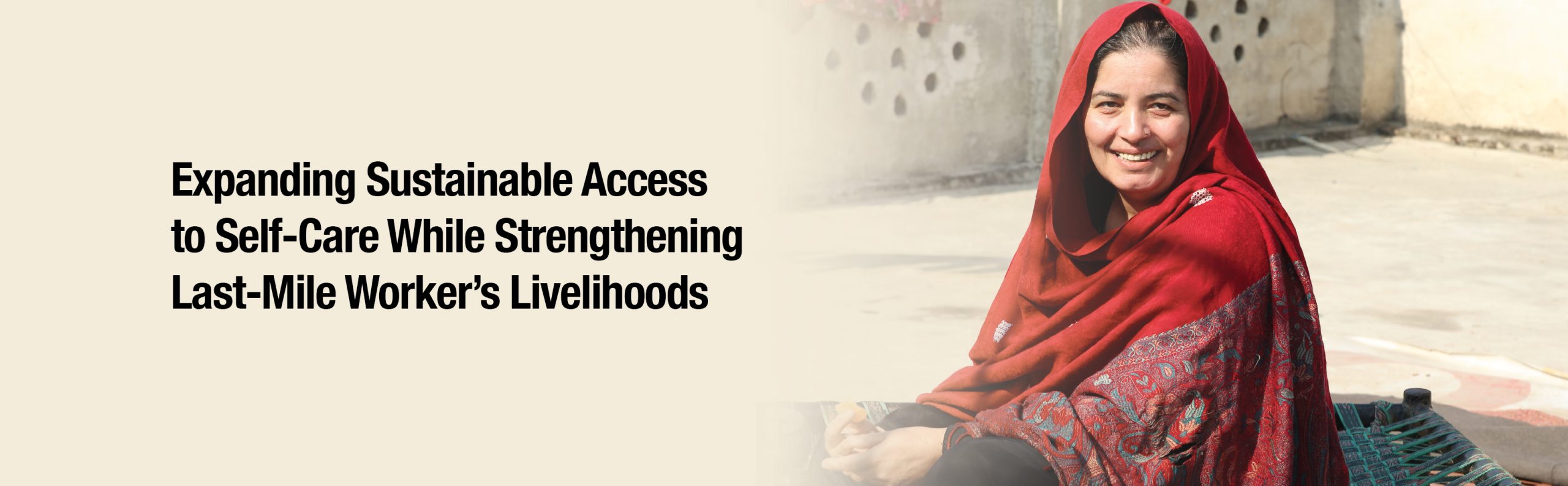
A Grand Challenges Canada–funded initiative expanding access to post-abortion care in Sindh by enabling trained women health workers to deliver safe, affordable reproductive health and self-care services while earning sustainable livelihoods.
Program Overview
The program addresses gaps in access to safe post-abortion care (PAC) and self-care information for women aged 19–45 years in underserved communities of Sindh, Pakistan. Through the Baji Connect digital platform, 150 trained community-based women health workers (“Sitara Bajis”) provide PAC counseling, family planning, and self-care services. By combining digital enablement, community outreach, and social entrepreneurship, the initiative improves women’s knowledge, choice, and access to quality care while creating income-generating opportunities for last-mile female healthcare providers.
At‑a‑Glance Information
- Target population(s): Women aged 19–45 years; community women health workers (Sitara Bajis)
- Geographic coverage: Pakistan → Sindh → Korangi, Orangi, Landhi, Baldia, Malir, Thatta, Umerkot, Tharparkar, Sanghar, Dadu
- Service delivery channels: Community-based outreach, digital platform, door-to-door services
- Program start – end: July 2025 – October 2026
- Key donors: Grand Challenges Canada (with support from BMGF)
- Key partners: healthcare providers, pharmacists, Sitara Bajis
Problem Statement
Women aged 19–45 years in low-income and peri-urban communities face limited access to safe post-abortion care due to lack of information, stigma, affordability barriers, and weak community-level service delivery. Many women are unaware of where to seek reliable PAC services, increasing the risk of unsafe practices and poor health outcomes.
Existing health systems struggle to reach women at the last mile due to workforce shortages, fragmented referral systems, and limited incentives for community-based providers. Trained women health workers often lack sustainable income opportunities, leading loss of jobs and skills. This program addresses these gaps by empowering trusted community women to deliver services, generate demand, and earn livelihoods through a digital platform “Baji Connect.”
Key Program Interventions
- Digital Enablement of Sitara Bajis for sustainable livelihood
Objective: provide employment opportunities to female last mile health workers. Primary beneficiaries: Sitara Bajis. Implementation modality: Digital platform of Baji Connect.
- Recruitment and training of 150 Sitara Bajis
- Training on PAC, self-care, IPC, and entrepreneurship
- Deployment of the Baji Connect platform
- Linkages with pharmacies and healthcare providers
- Mentorship and supportive supervision
- Geographic focus: 10 districts of Sindh
- Key risks & mitigation: Digital literacy gaps mitigated through hands-on training
- Community Outreach & Awareness
Objective: Increase knowledge and demand for post-abortion care and self-care. Primary beneficiaries: Women aged 19–45 years. Implementation modality: Community-based outreach.
- Neighbourhood meetings and door-to-door visits
- Self-care education and counseling
- Health related product distribution
- Key risks & mitigation: Stigma addressed through peer-led engagement
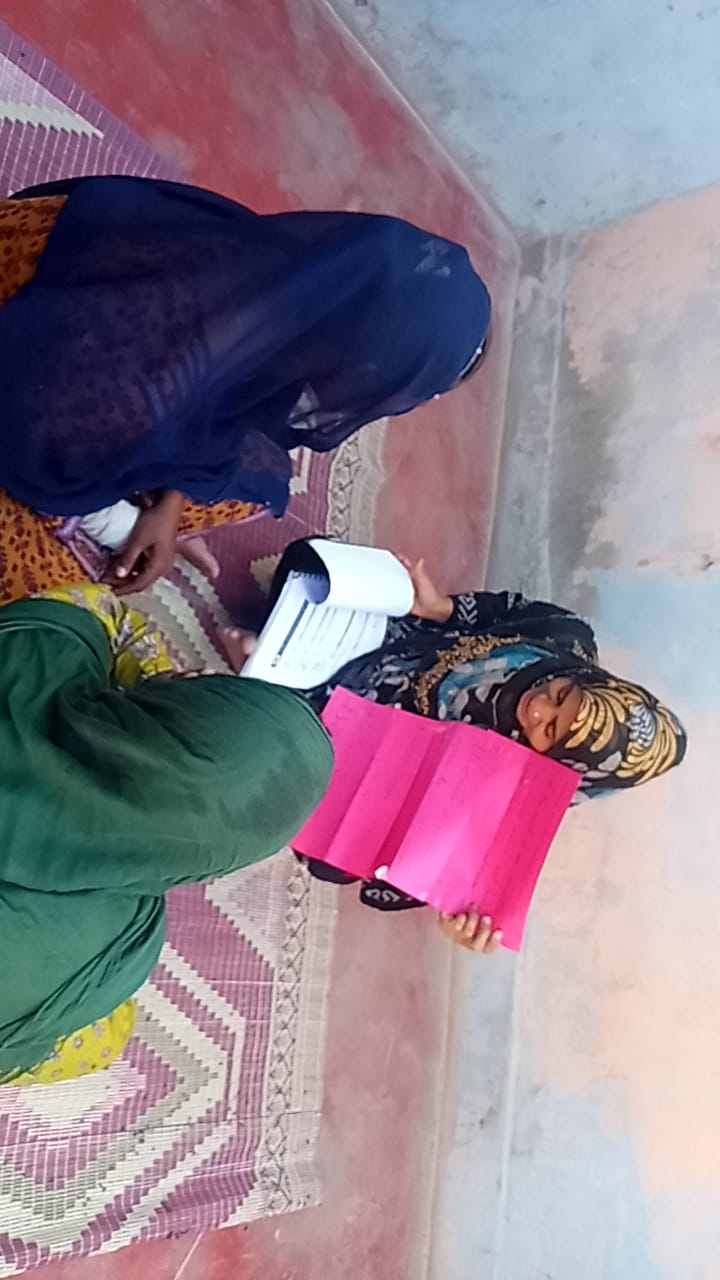
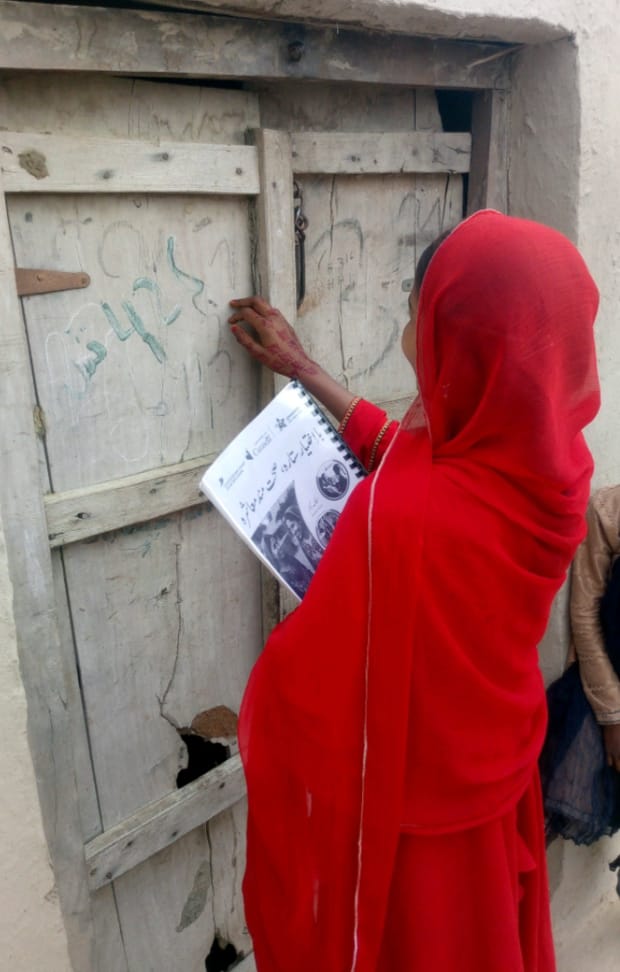
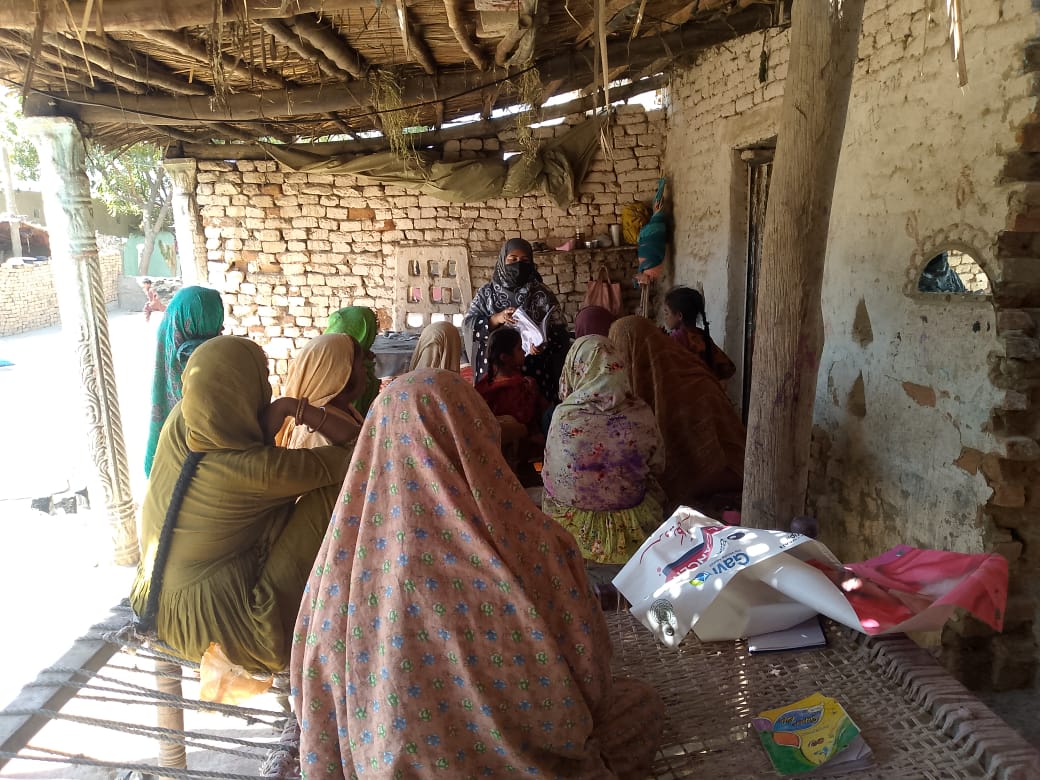
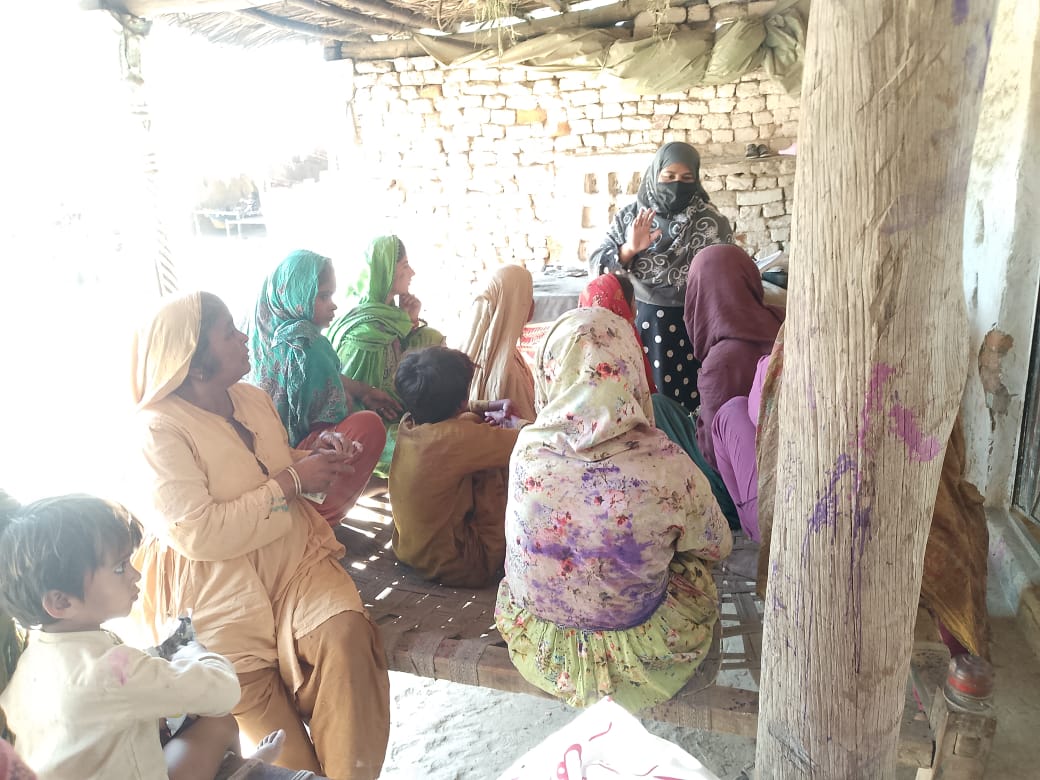
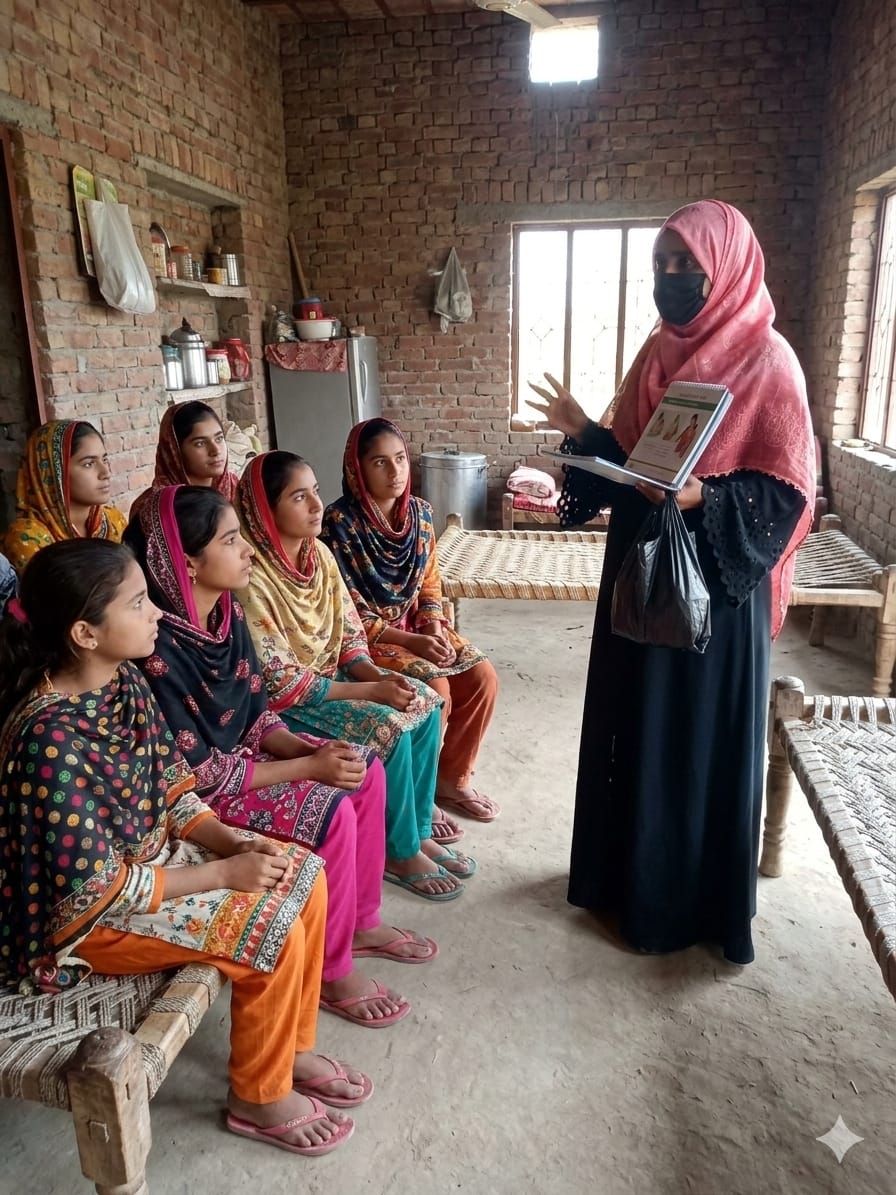
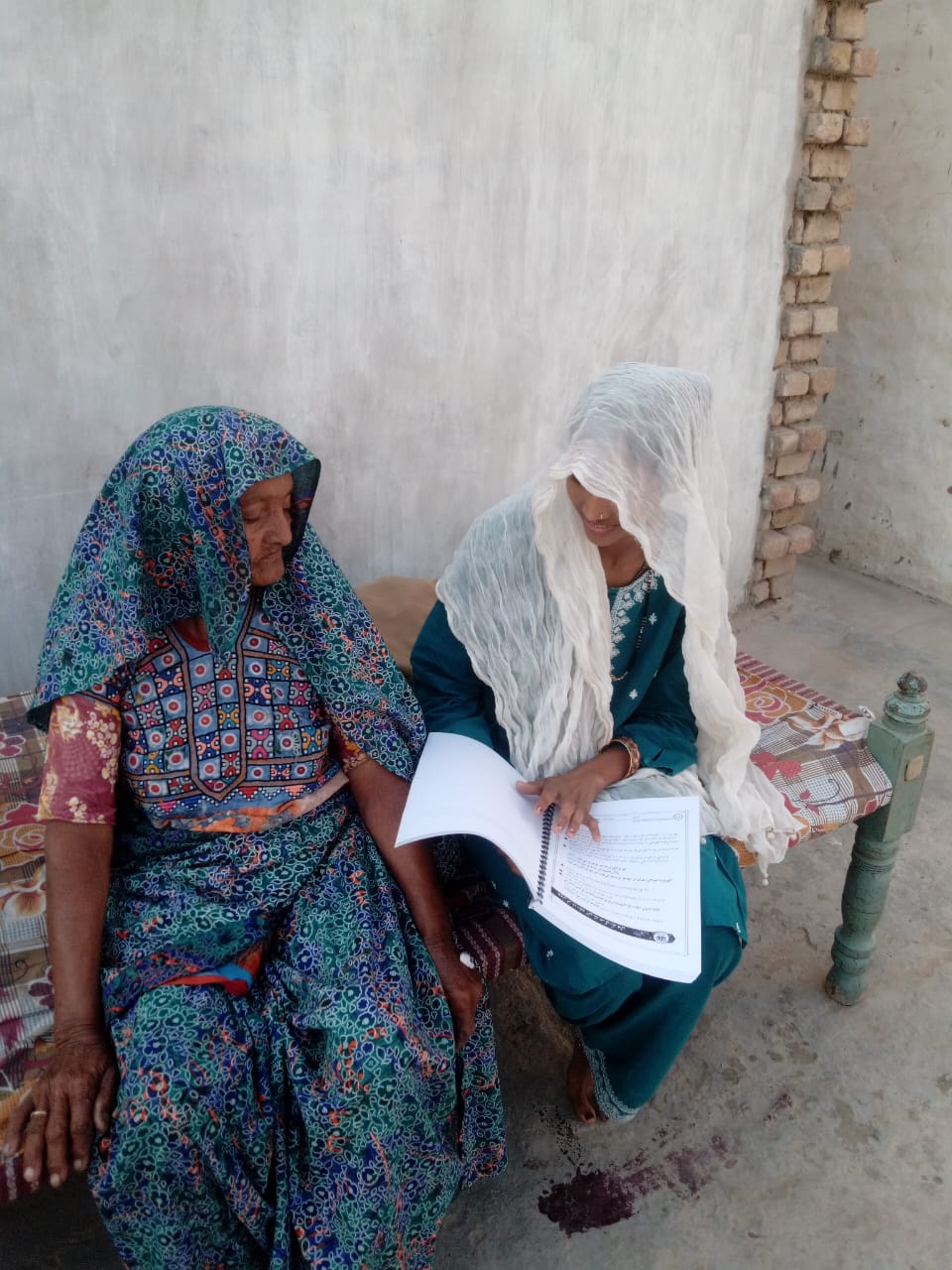
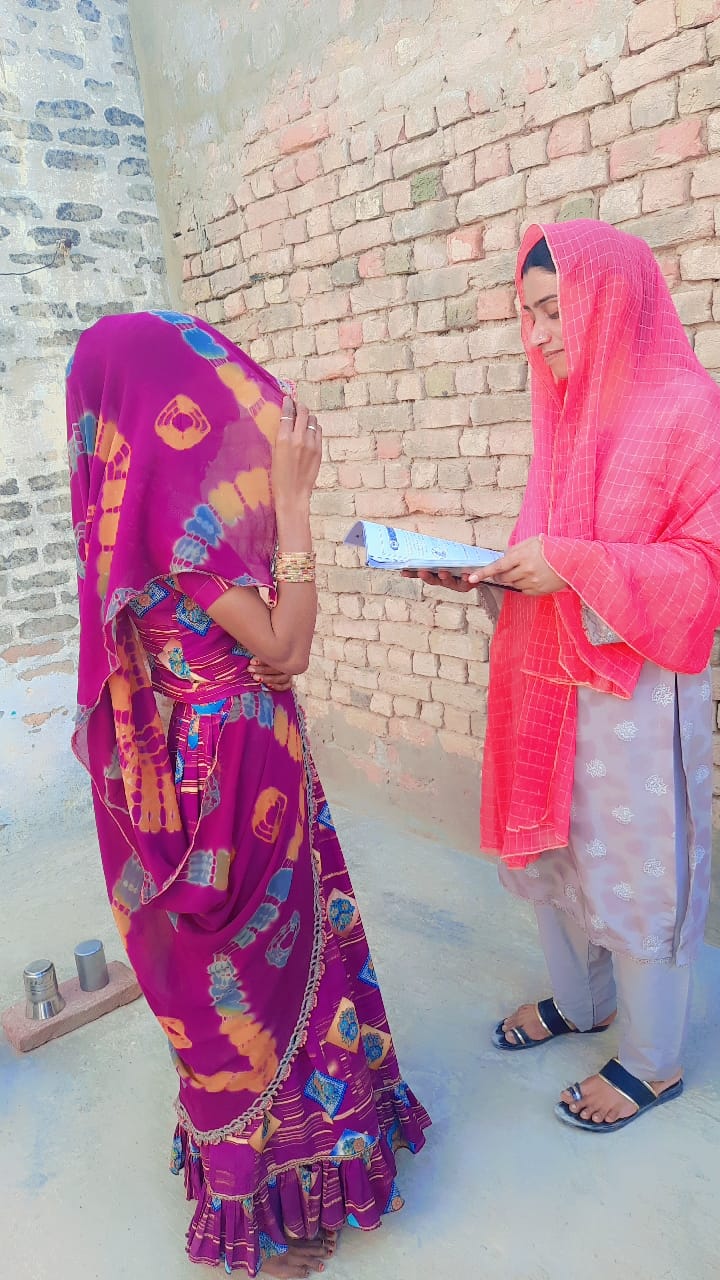
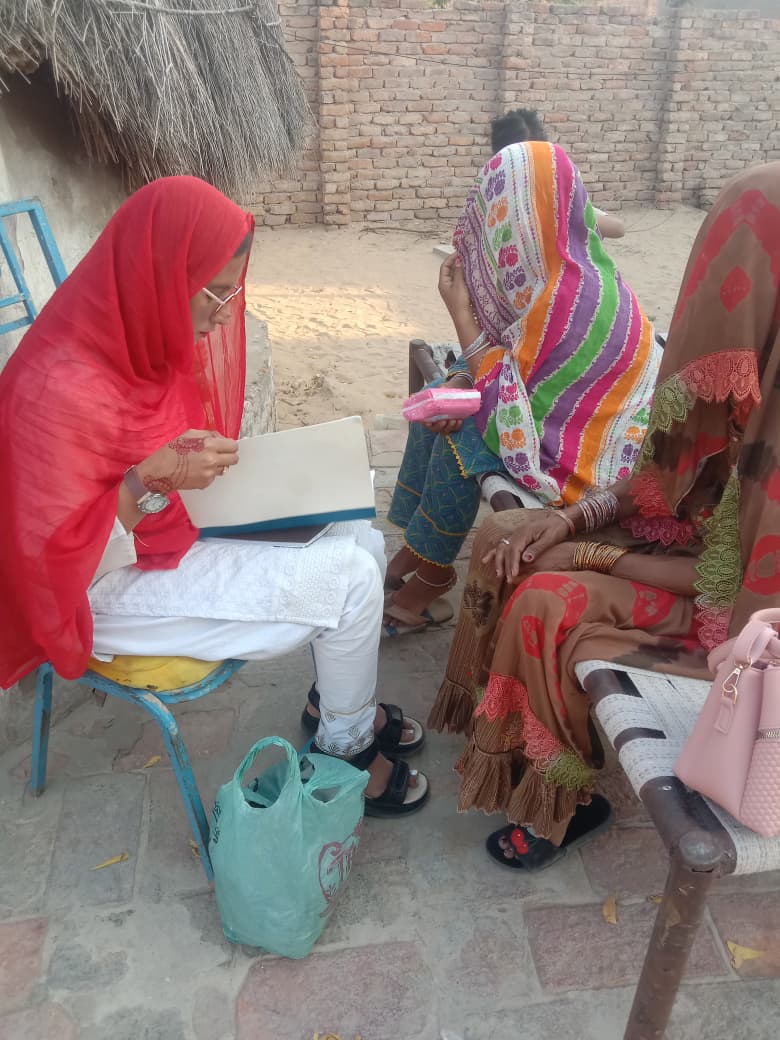
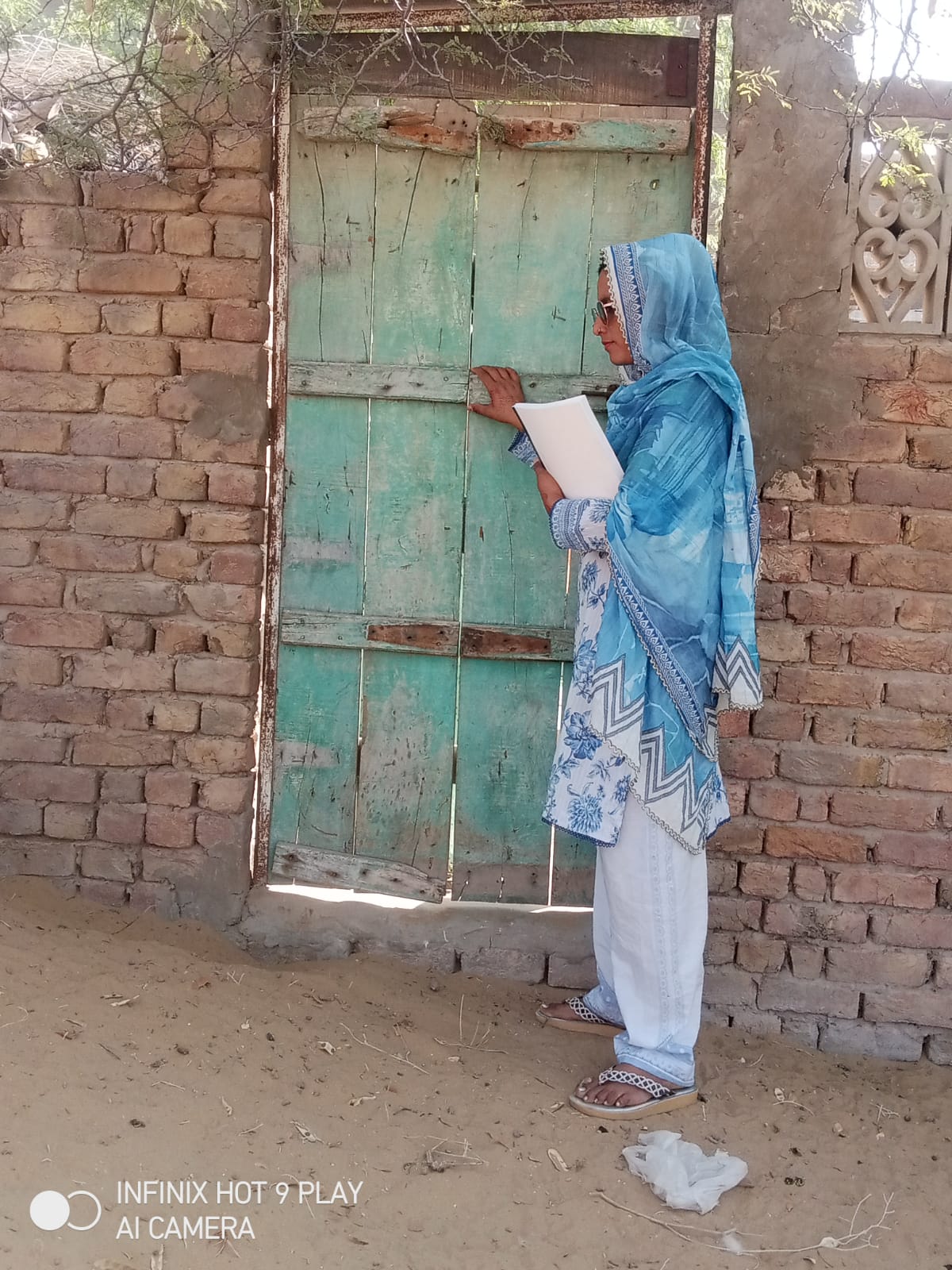
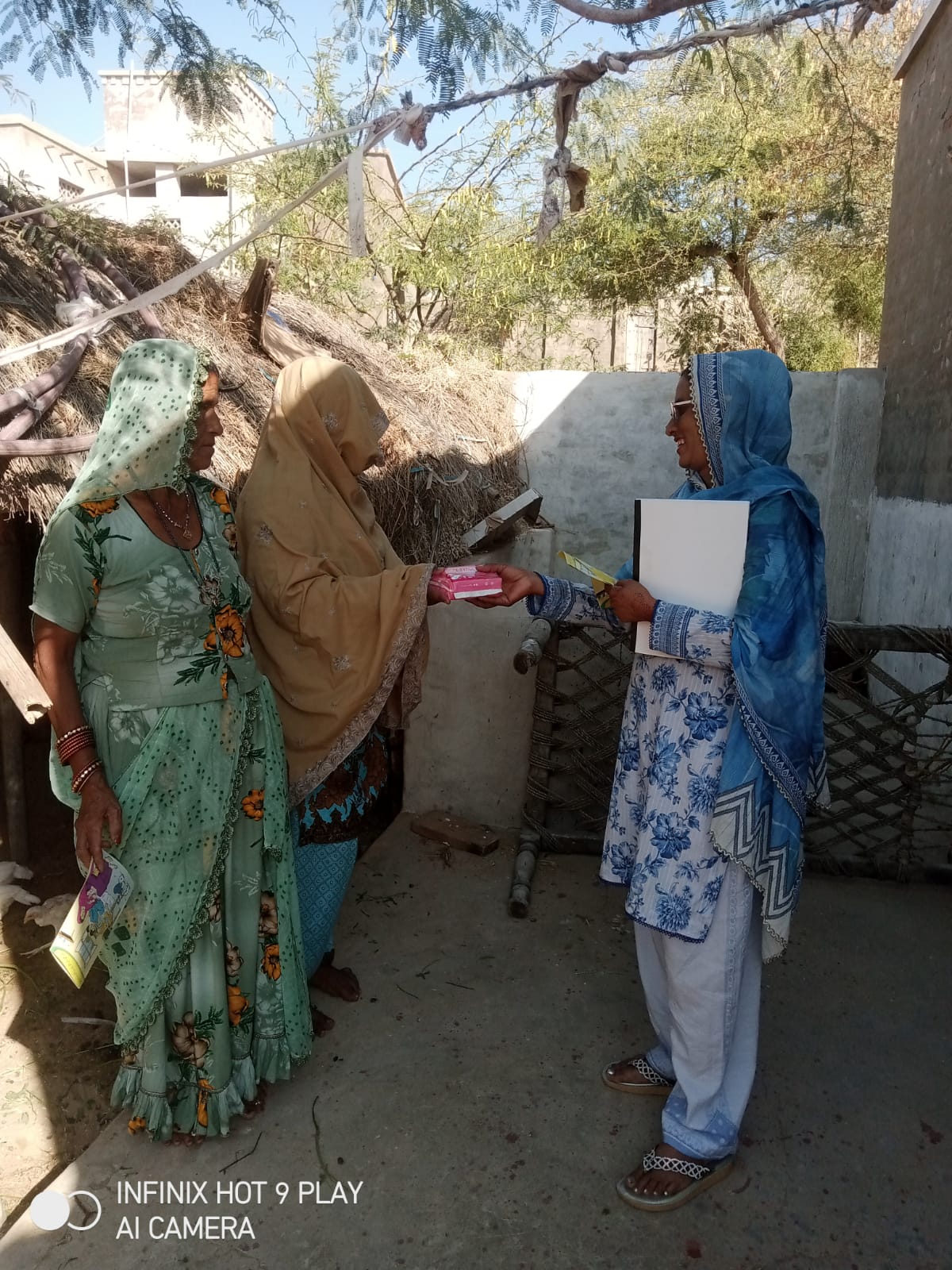
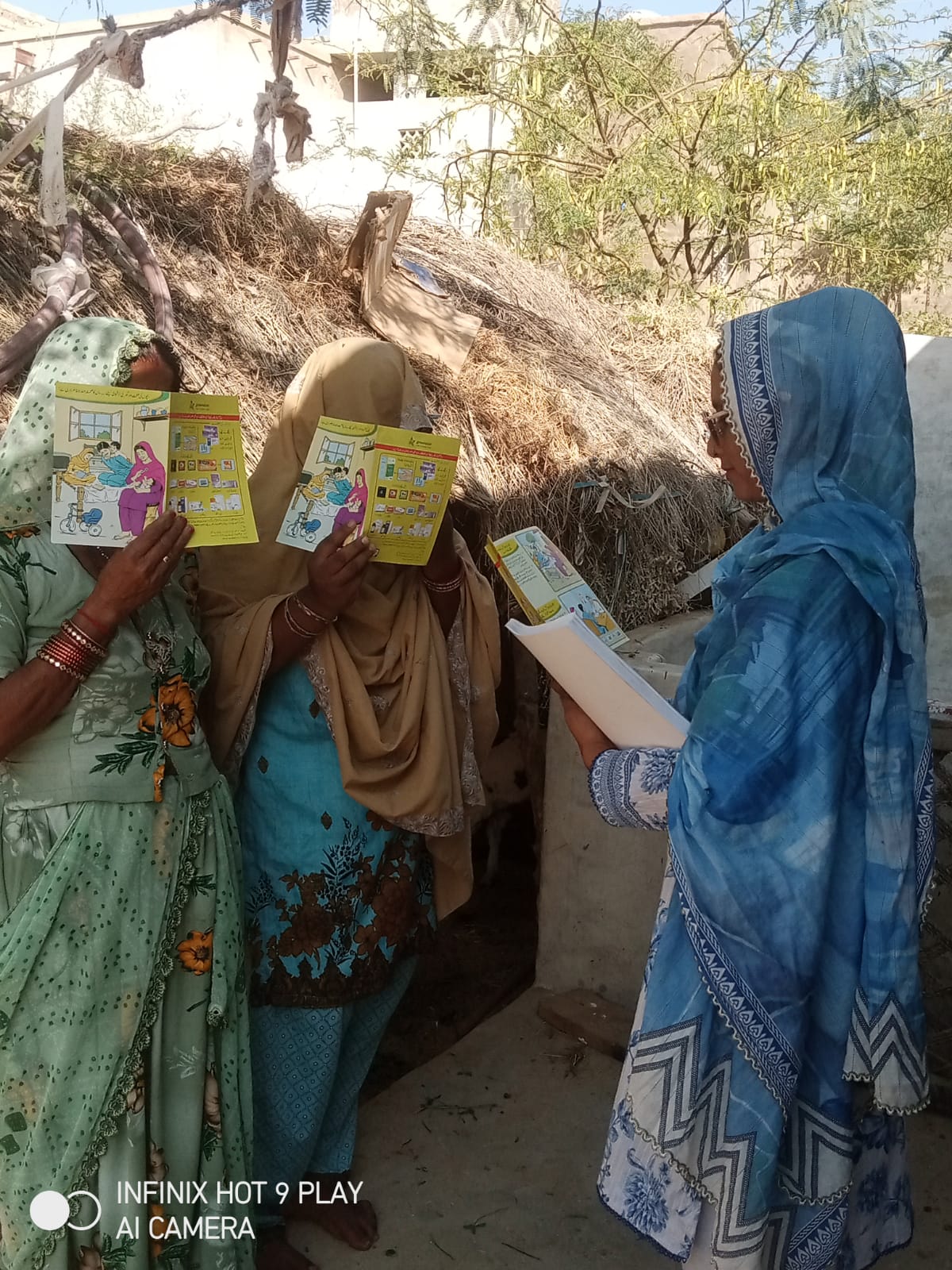
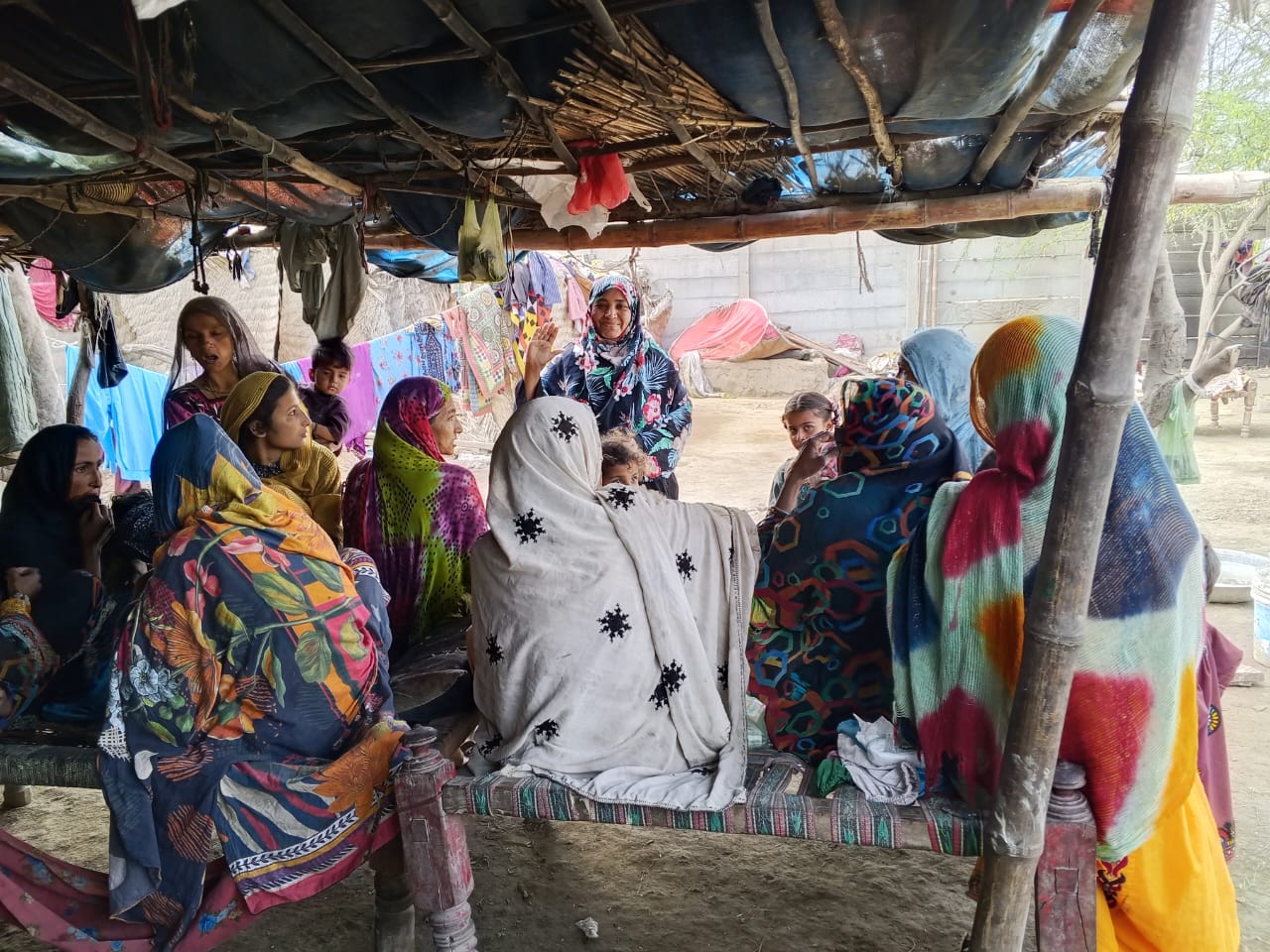
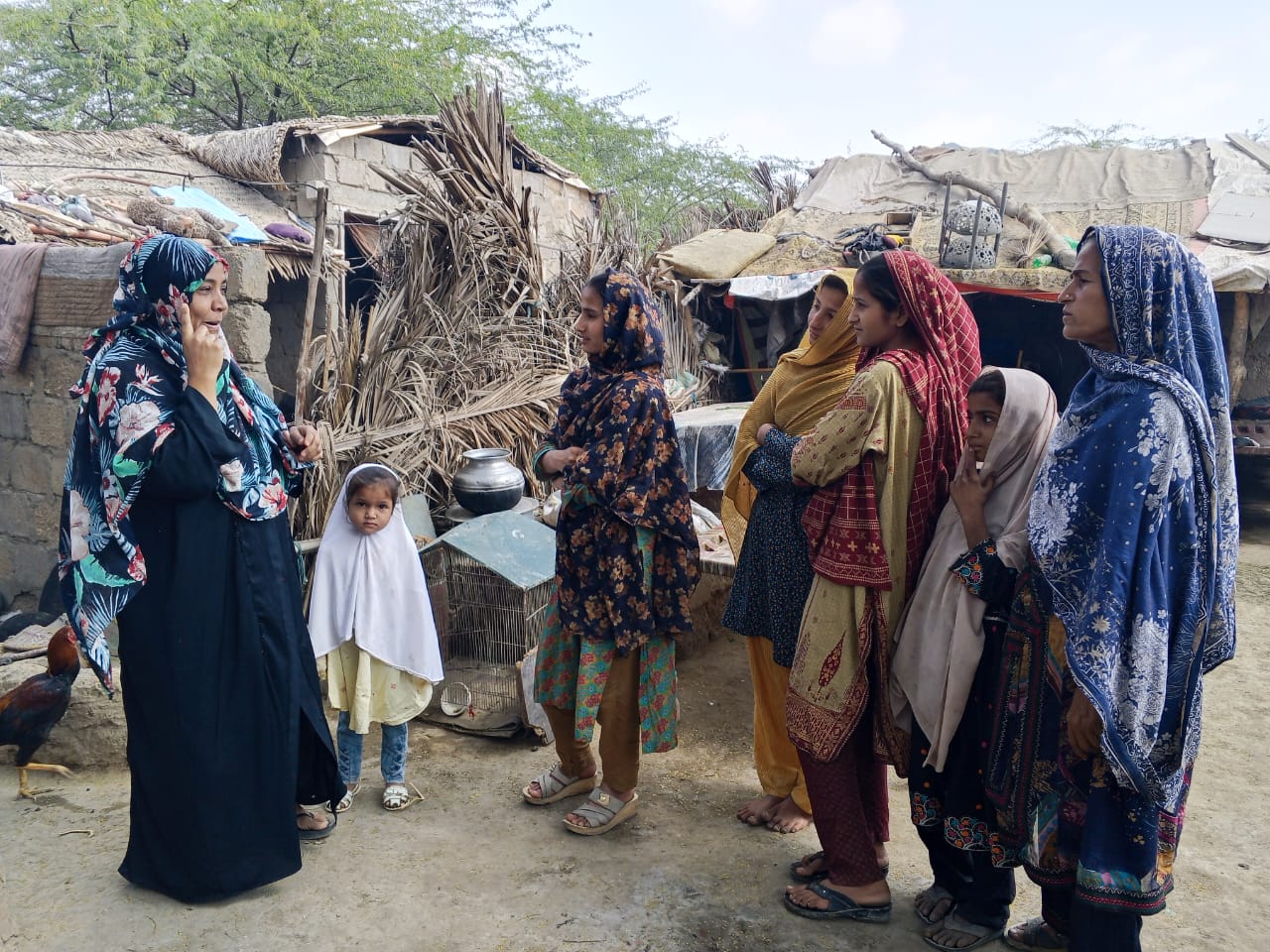
Community outreach in Sindh
Door‑to‑door visits, neighbourhood meetings, and Sitara Bajis in action.
IMPACT & RESULTS
Through collaboration with government partners and Sitara Bajis, the program has achieved:
- 34,280 self-care services delivered by 150 Sitara Bajis across 10 districts (2025–2026)
- 4,894 women received post-abortion care services
- 3,005 women counseled on post-abortion family planning
- 5,327 women trained on self-care through 315 neighbourhood meetings
- 150 Sitara Bajis recruited and fully trained on self-care, IPC, and social entrepreneurship
- 573 packs of Bliss sold (PKR 111,162 value) and 1,993 packs of Grekie distributed (PKR 312,901 value)
- Baseline surveys completed in 10 districts of Sindh
Outcomes narrative: To date, the program has strengthened community-level access to post-abortion care and self-care services for women aged 19–45 years through trained and supported Sitara Bajis. Thousands of women have already received counseling, services, and self-care information through door-to-door outreach and neighbourhood meetings. Sitara Bajis are actively applying their skills to deliver services, engage communities, and generate income through product distribution and sales. As implementation continues, the program is building evidence on how digitally enabled, community-based women health workers can sustainably expand access to quality reproductive health services at the last mile.
STORIES & TESTIMONIALS
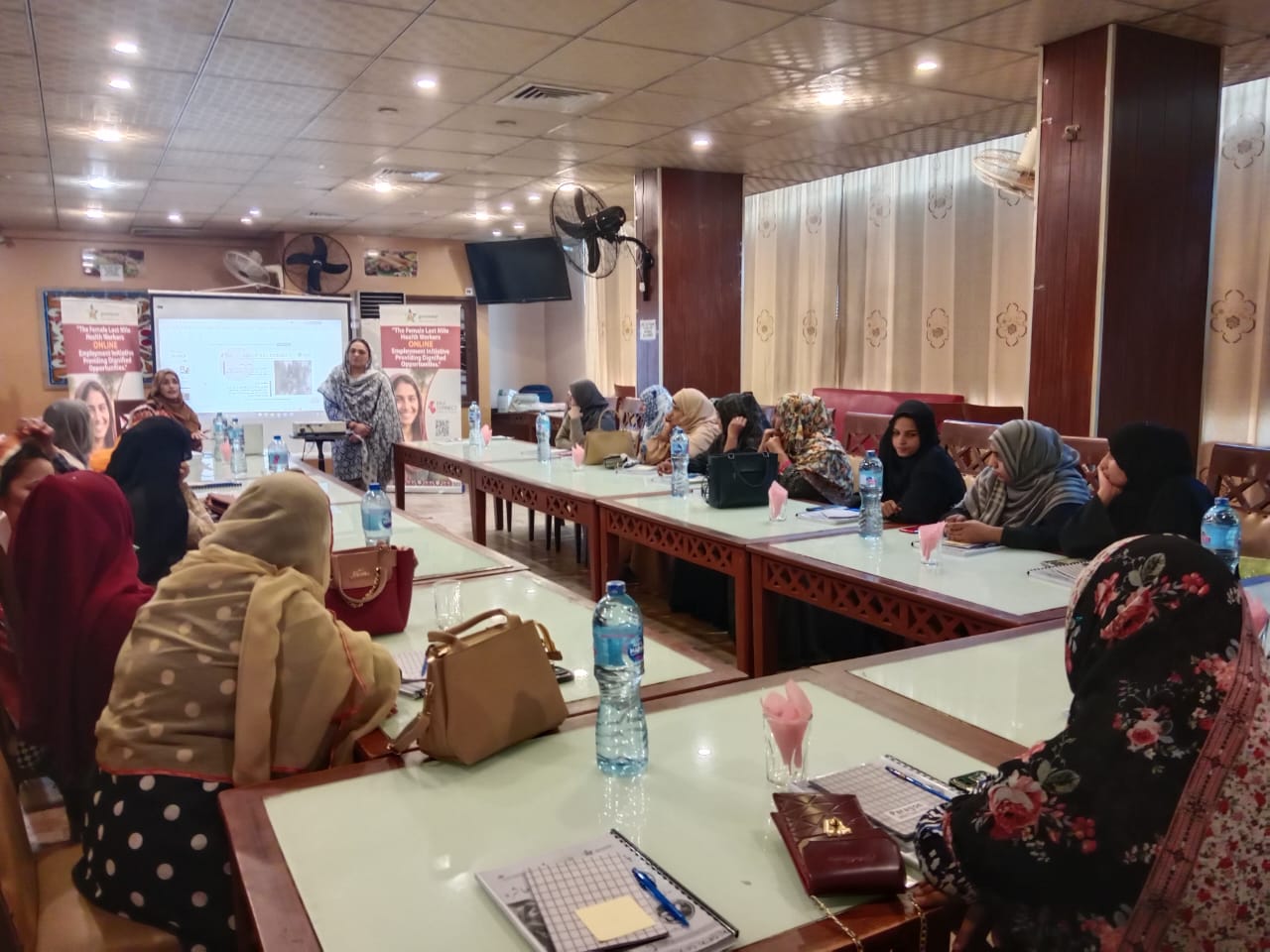
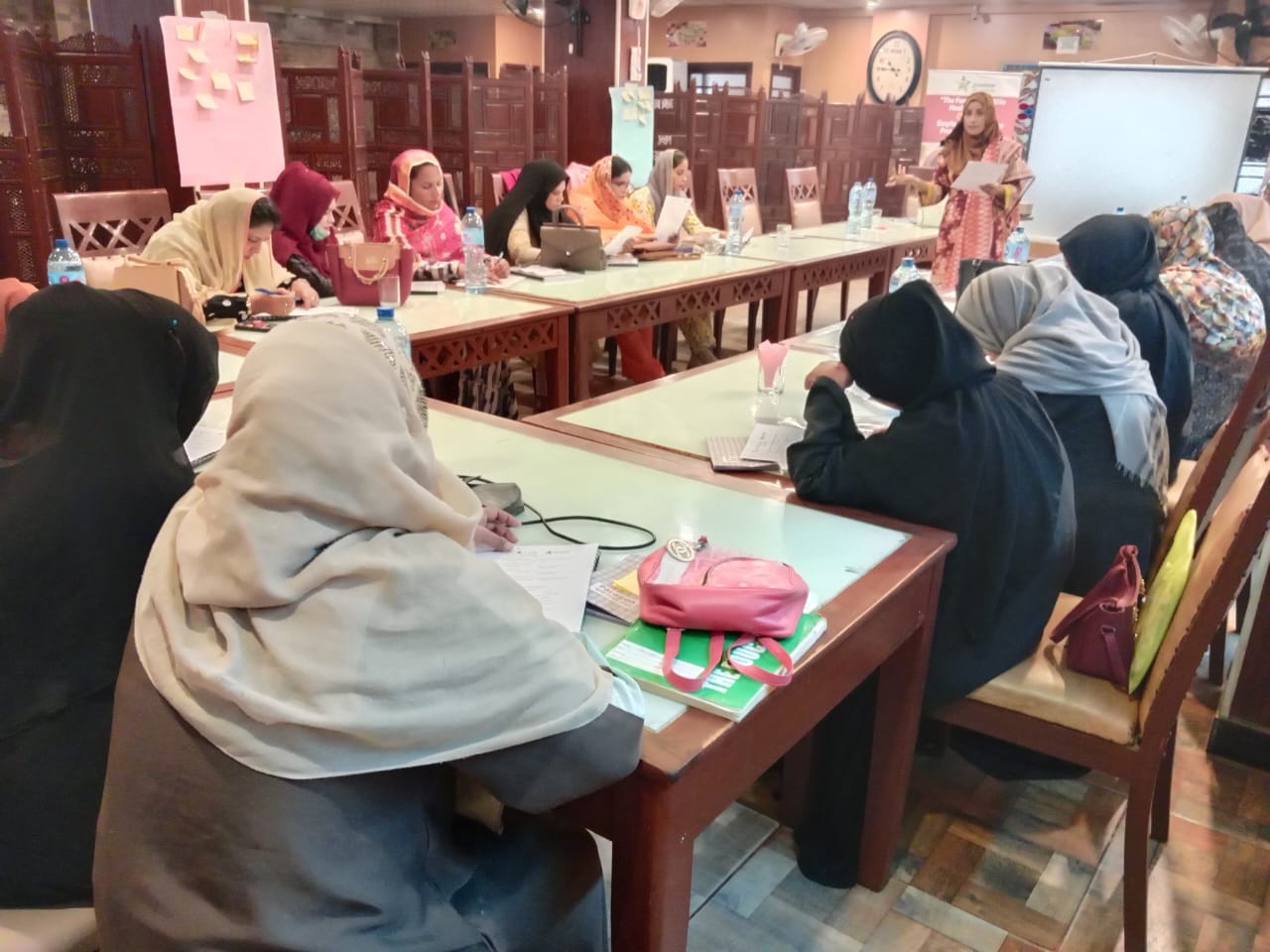
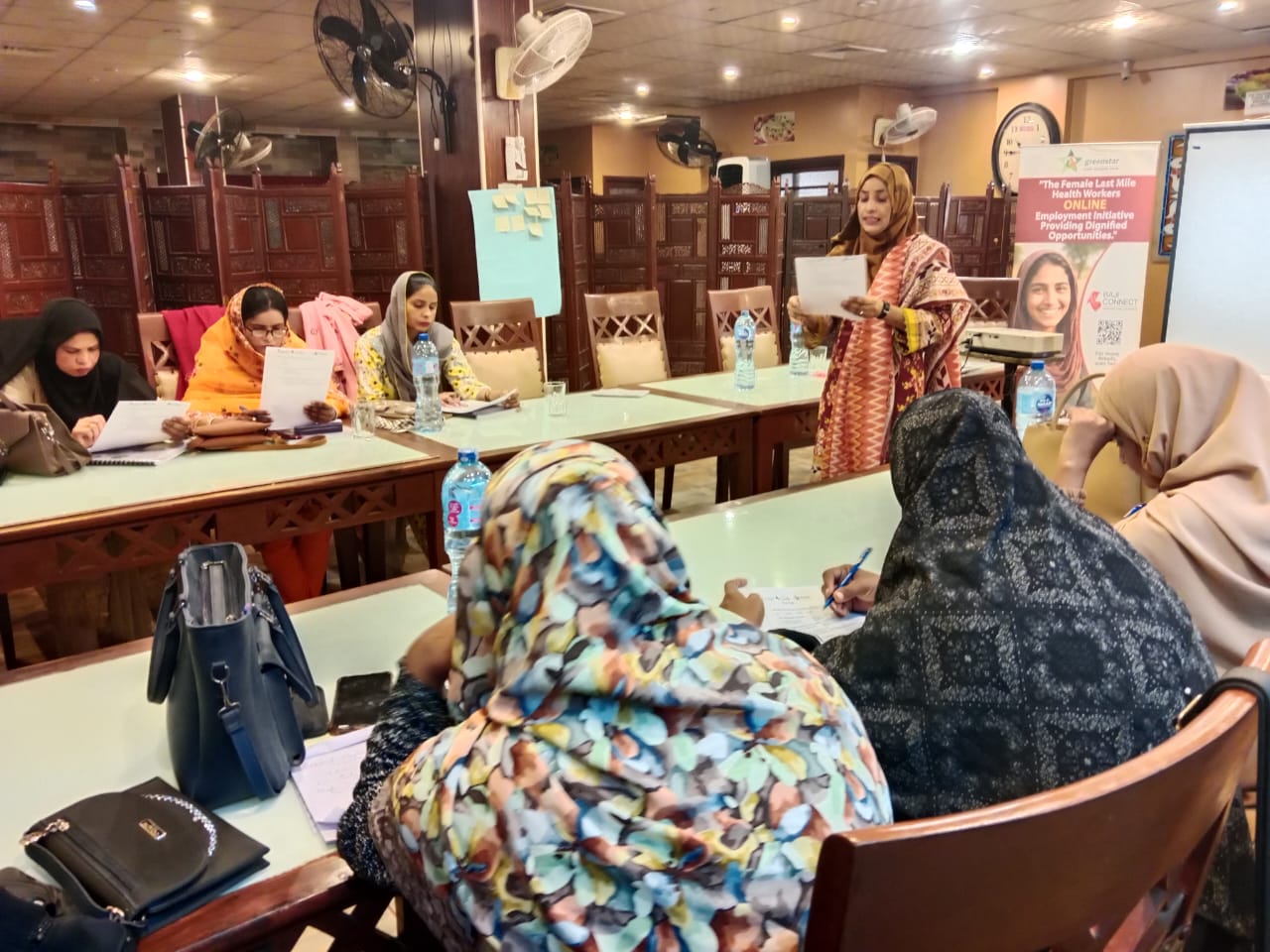
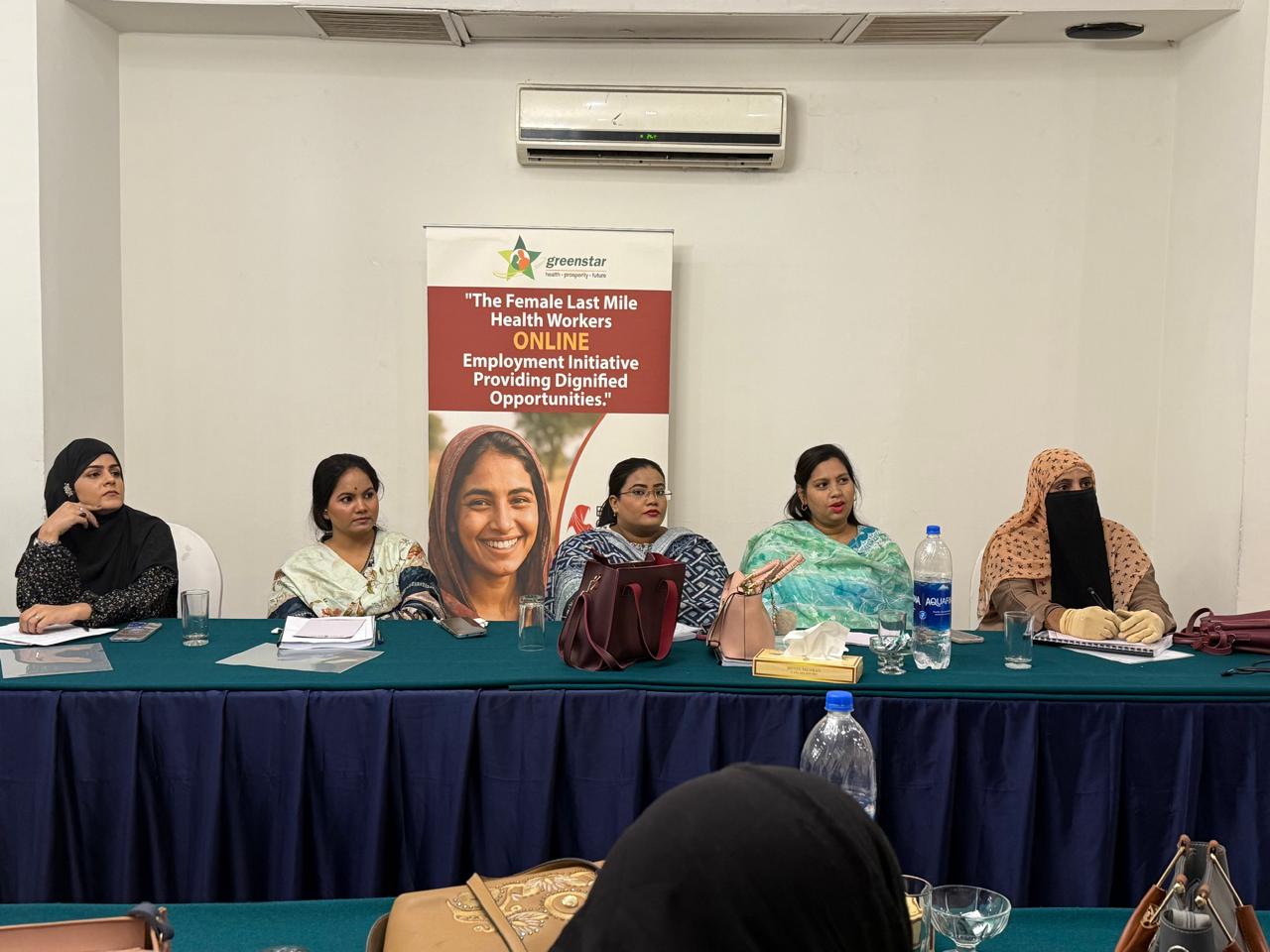
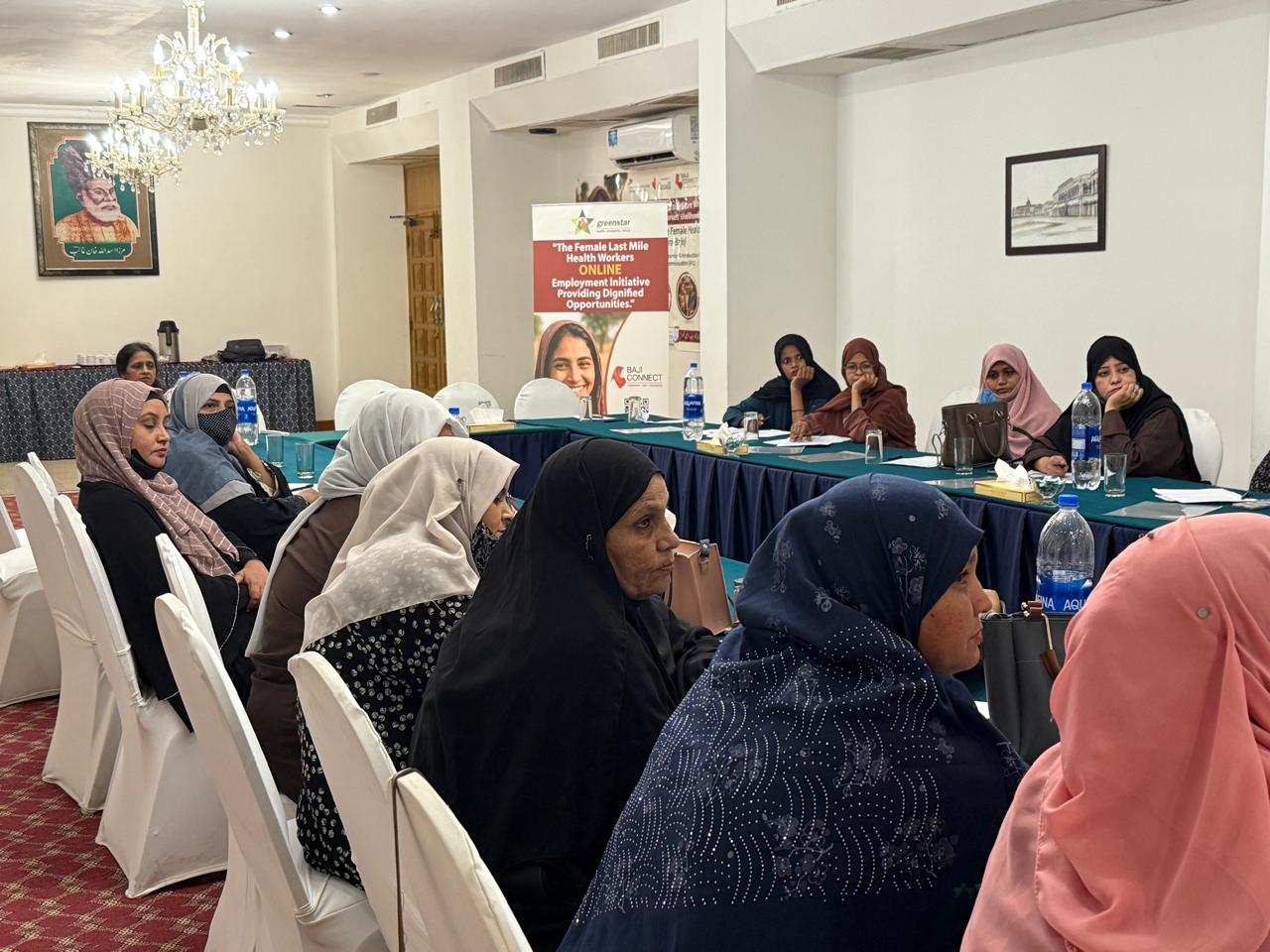
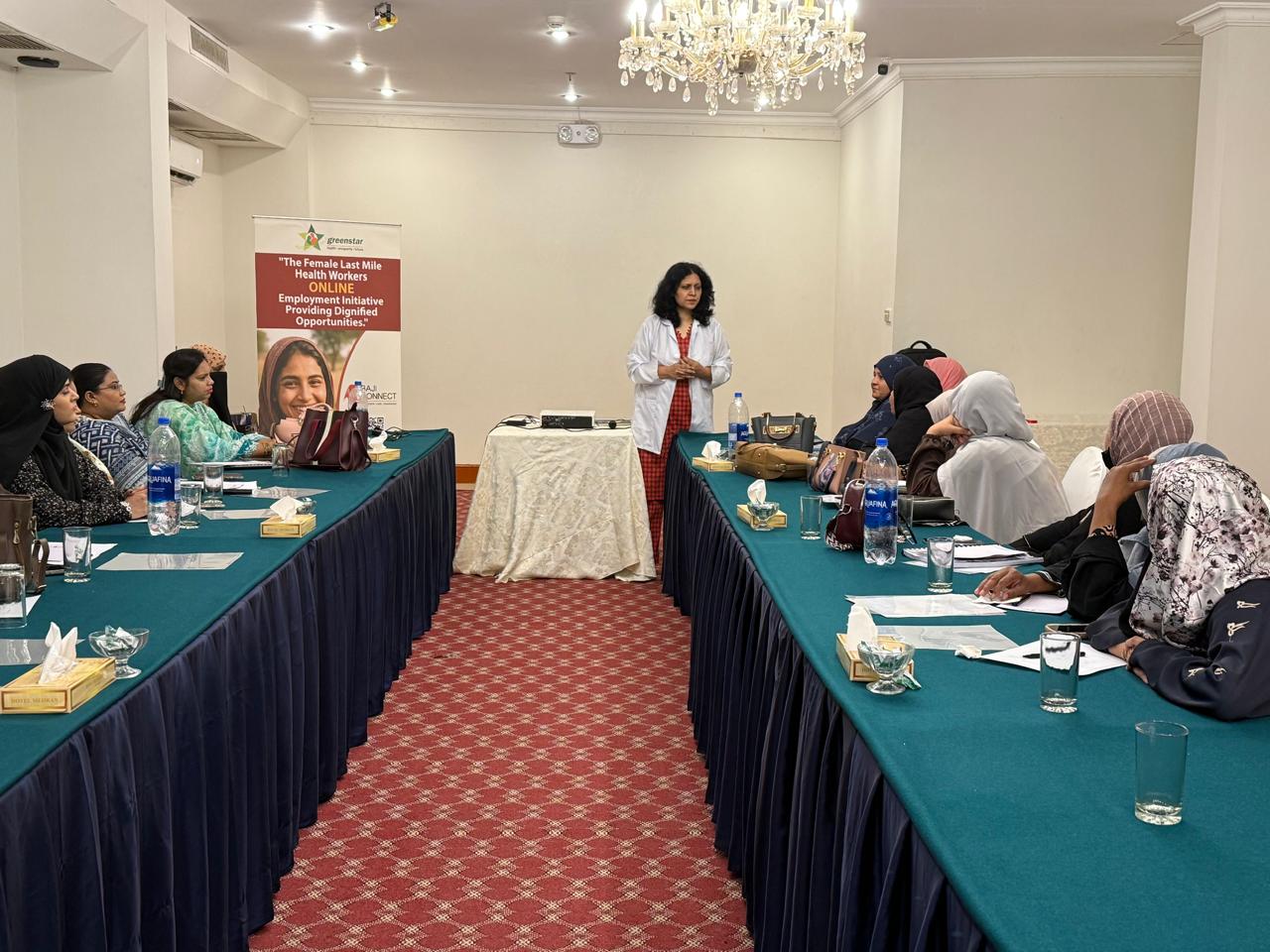
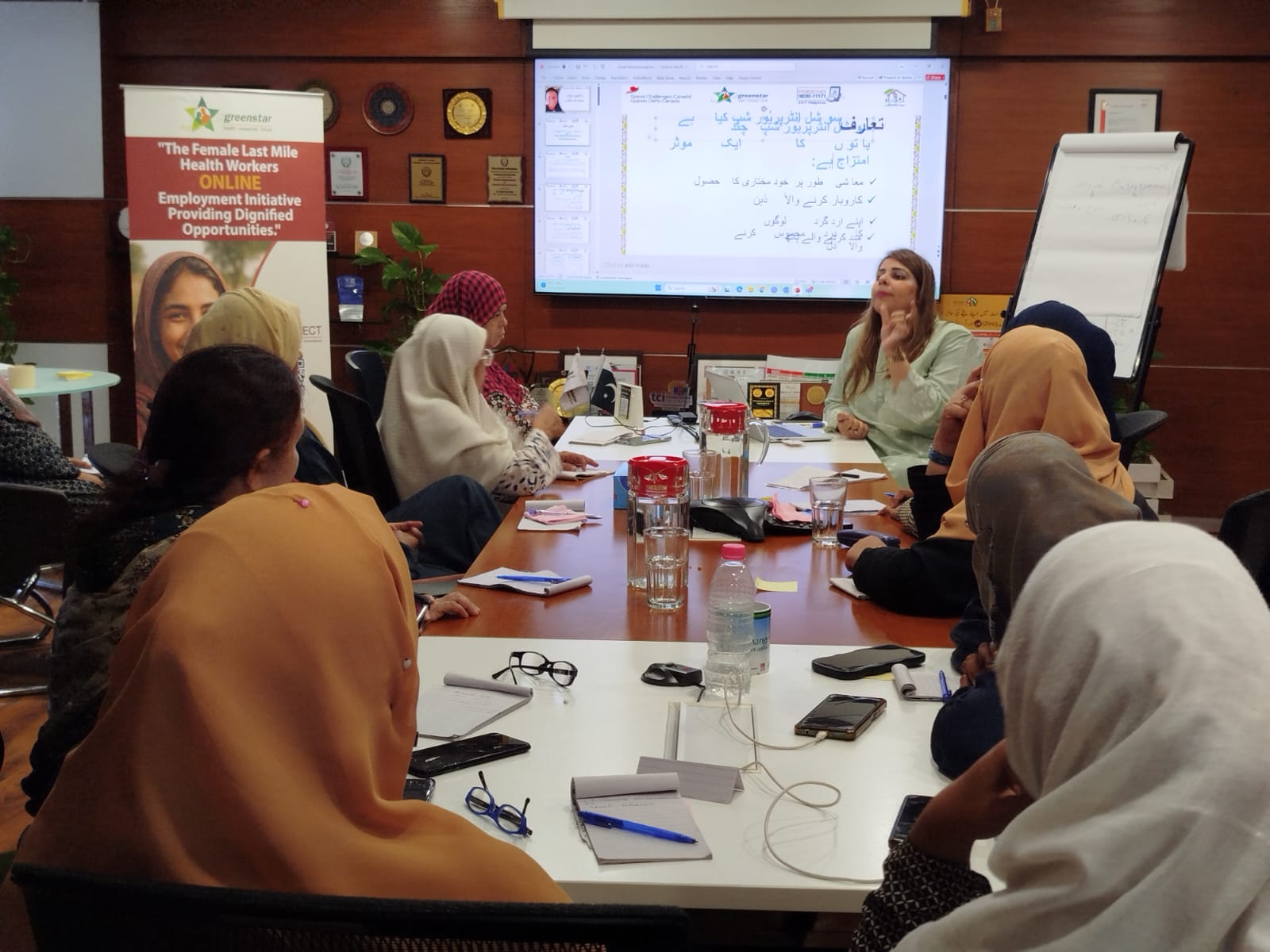
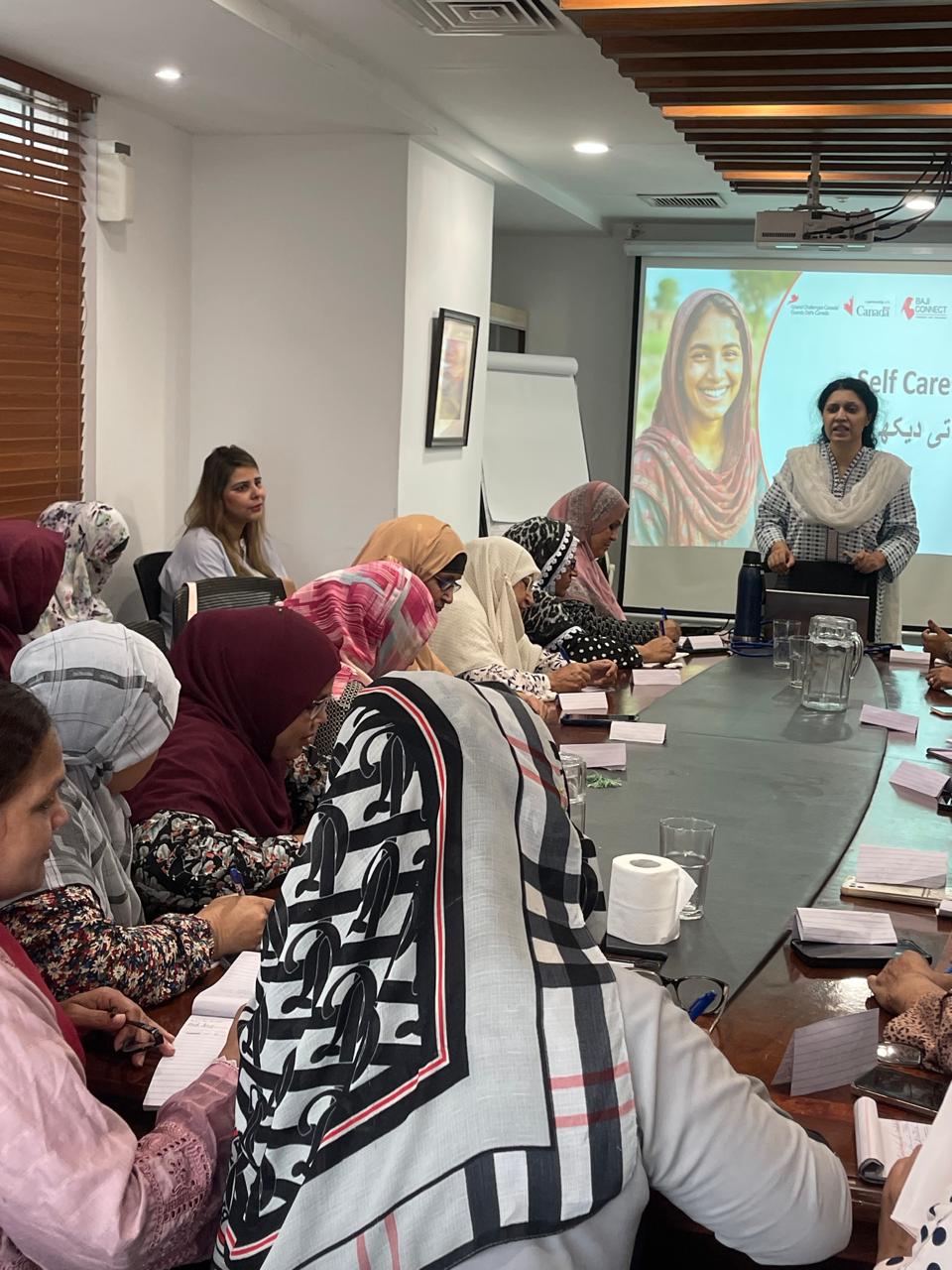
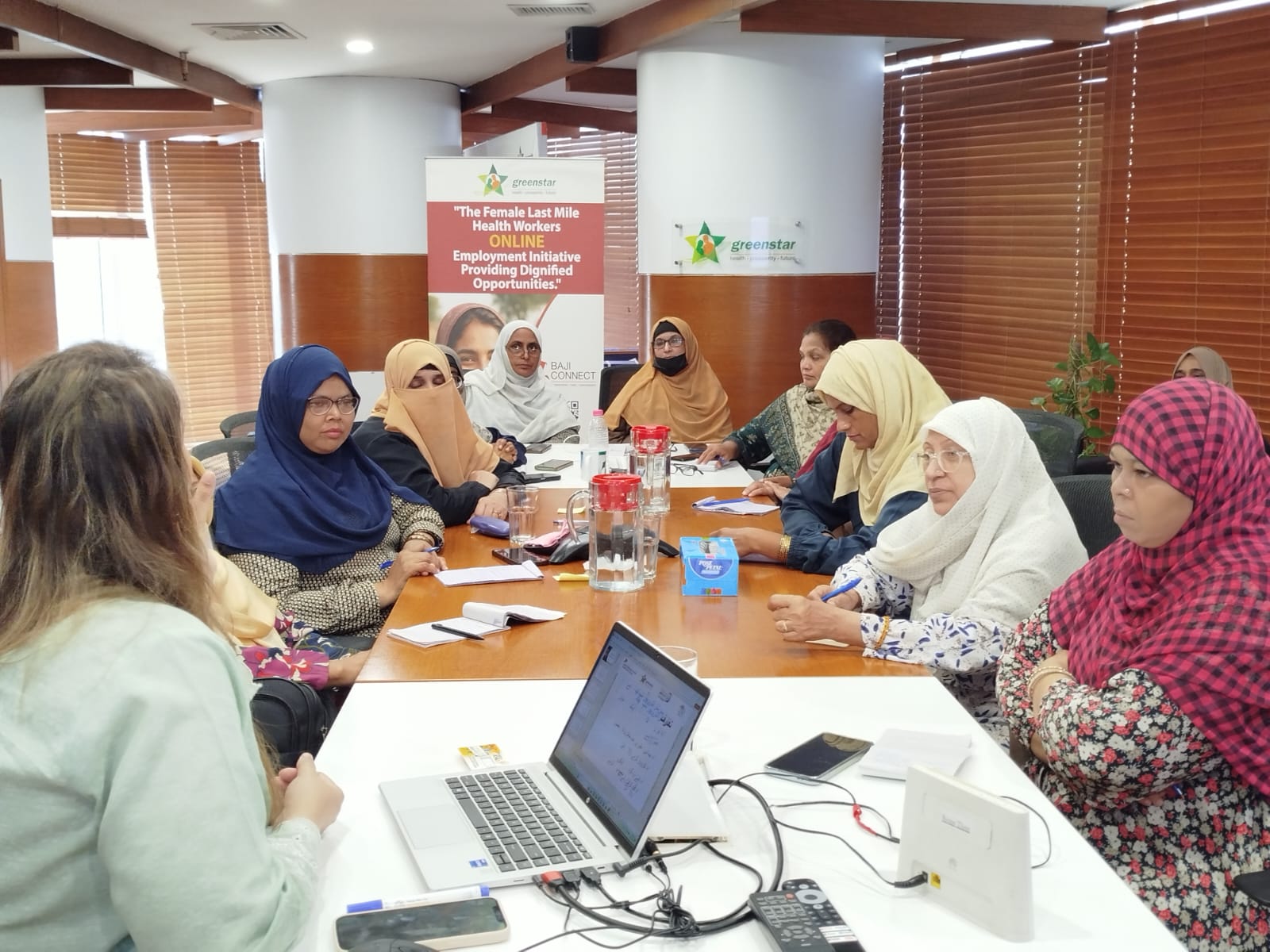
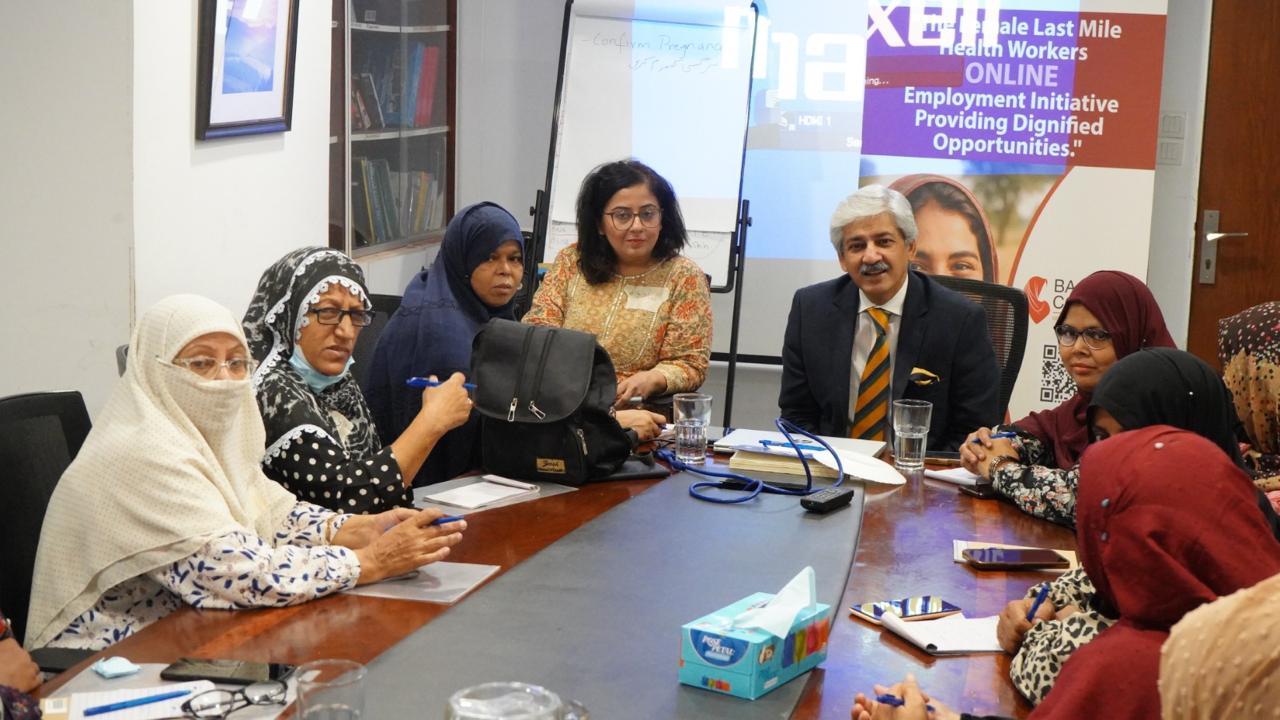
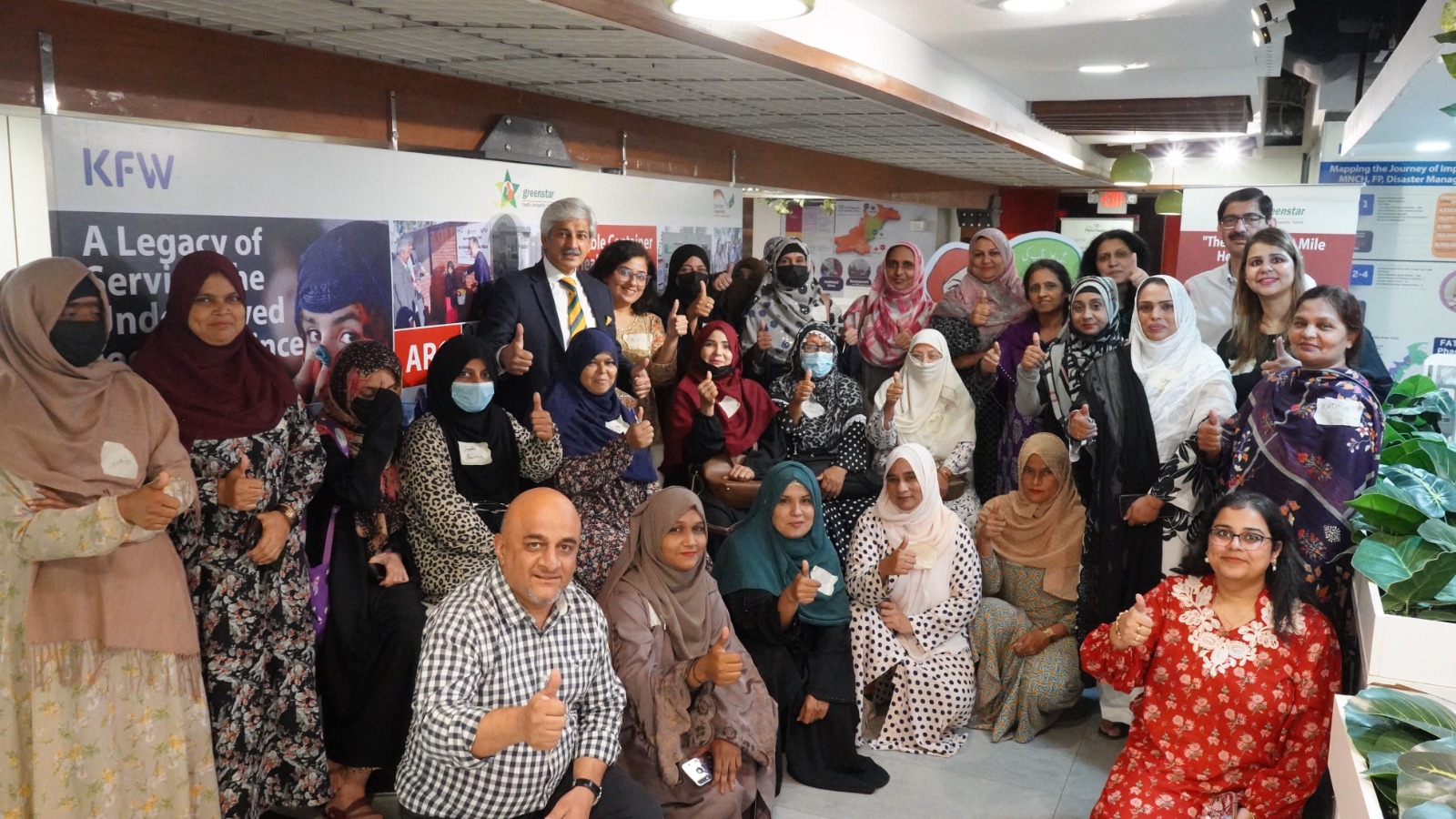
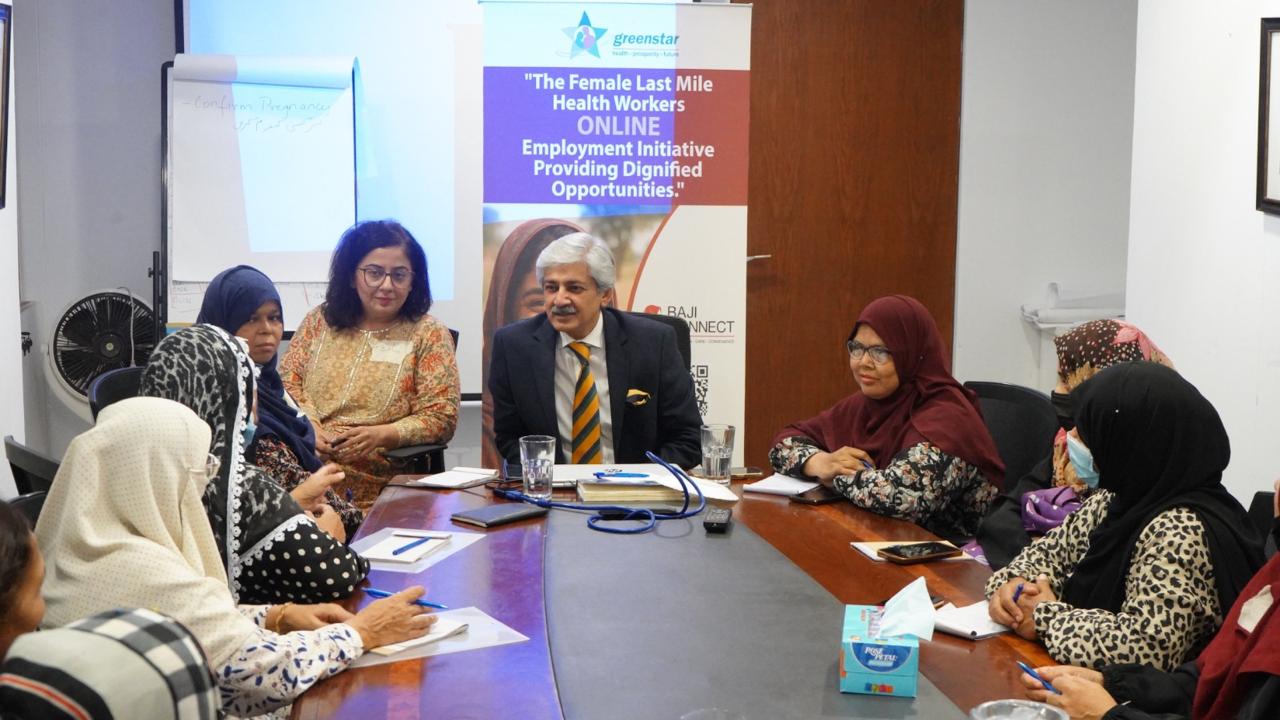
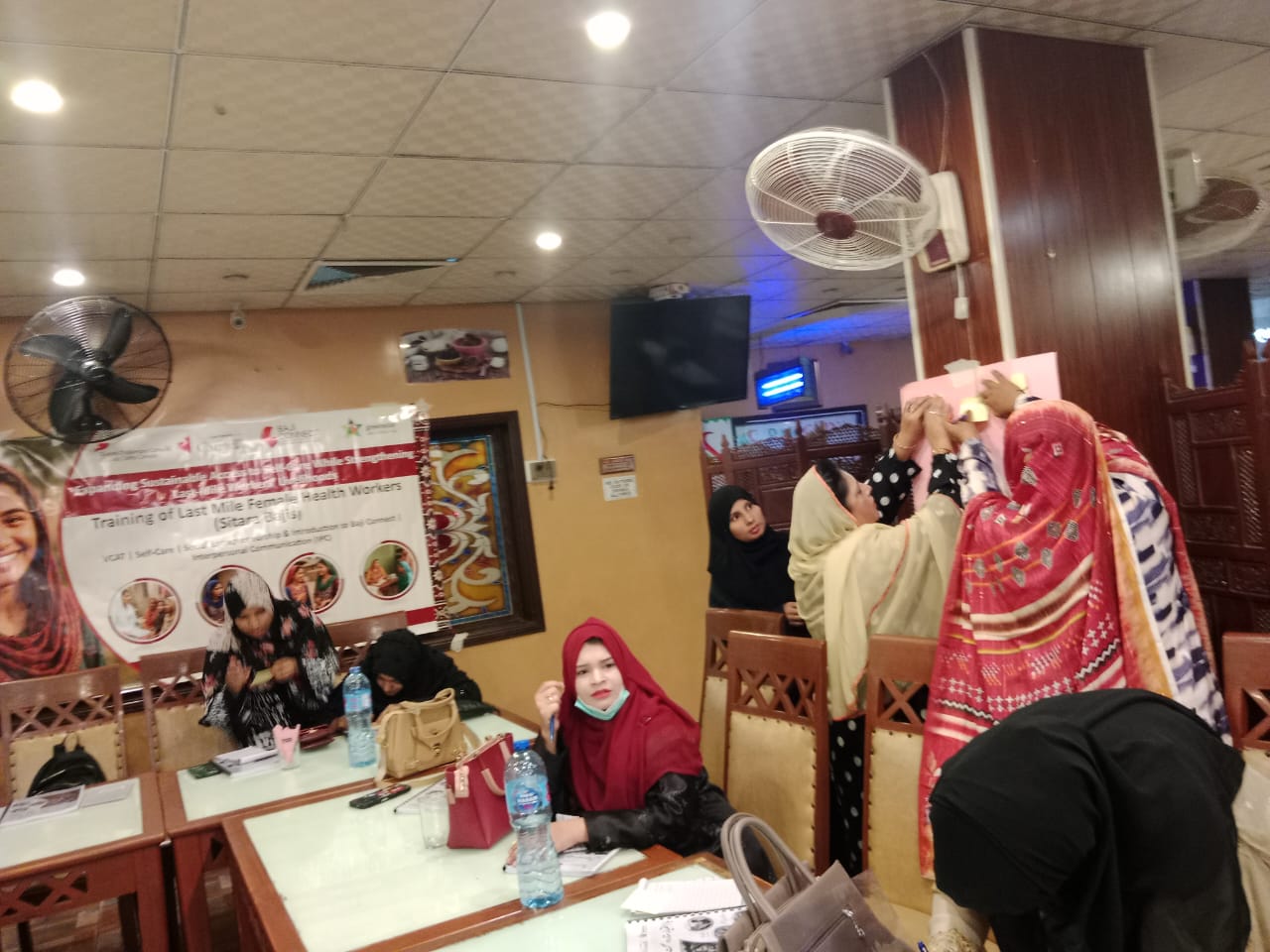
Sitara Baji capacity building
Training on PAC, self‑care, IPC, and entrepreneurship – supported by GCC.
PARTNERS & DONORS
Implementation Partners
Donors/Funders
CONTACT & OWNERSHIP
Dr. Sana Durvesh
Deputy General Manager (DGM – Programs)