
Self Employment of Women in Private Health Sector of Pakistan
This project enables women-led, self-employed healthcare models by equipping trained female providers with infrastructure and business skills, expanding affordable primary and maternal healthcare access while improving livelihoods and strengthening health system linkages in underserved communities.
Program Summary
The program addresses the dual challenge of women limited economic participation and inadequate access to affordable primary and maternal healthcare in underserved communities in Pakistan. It supports trained female health workers (LHVs) who remain unemployed or under-employed despite existing demand for private healthcare services. By enabling self-employment through clinic infrastructure, entrepreneurship and business skills development, quality assurance, and referral linkages, the program creates sustainable livelihoods for women while expanding trusted, women-led health services. This integrated approach improves continuity and quality of care, strengthens health system linkages, and contributes to improved maternal and child health outcomes delivering inclusive economic empowerment alongside measurable health impact.
At‑a‑Glance
- Target population: Unemployed Female Healthcare Workers – Lady Health Visitors and Community Workers
- Geographic coverage: Pakistan → 14 Districts of Punjab and 10 Districts of KP
- Service delivery channels(facility / community): 200 Sabzsitara Healthcare Facilities and 200 Sitara Bajis. 130 Clinic and SBs in Punjab (110 One Room and 20 Portable Container Clinics) 70 Clinics and SBs in KP (60 One Room and 10 Portable Container Clinic)
- Program start year – end year (or “ongoing”): January 2022 – December 2025
- Key donors (if public): German Development Bank – KfW
- Key partners: Department of Health Punjab and KP
Why Self-Employment of Women is Important?
Women in Pakistan face significant barriers to economic participation and access to quality maternal and child health services. Female labor force participation is only ~22%, leaving many trained Lady Health Visitors (LHVs) under-employed due to limited infrastructure, startup capital, and professional opportunities. At the same time, maternal and child healthcare remains uneven, with out-of-pocket payments making up 51.7% of total health expenditure 81% in the private sector and maternal mortality at ~186 per 100,000 live births. This gap creates a dual challenge: women, newborns, and children in underserved communities face poor health outcomes, while skilled LHVs lack sustainable income opportunities. Empowering women providers can address both challenges simultaneously. Supporting LHVs to establish viable practices strengthens their economic independence and expands access to affordable, high-quality maternal and child healthcare for underserved populations. By investing in women as healthcare providers and entrepreneurs, it is possible to transform both economic and health outcomes, creating lasting impact for communities and women.
Project Objectives and Key Interventions
Objective 1
Empowerment through Sustainable Income
To empower unemployed female mid-level healthcare providers, including LHVs, through sustainable income opportunities that strengthen community health systems and promote economic growth.
As part of our commitment to women's economic empowerment and improved access to primary healthcare, we are creating self-income generation opportunities for trained but currently unemployed female mid-level healthcare providers, particularly Lady Health Visitors (LHVs). Through this initiative, we aim to contribute to both local economic development and strengthened community health systems.
Intervention 1
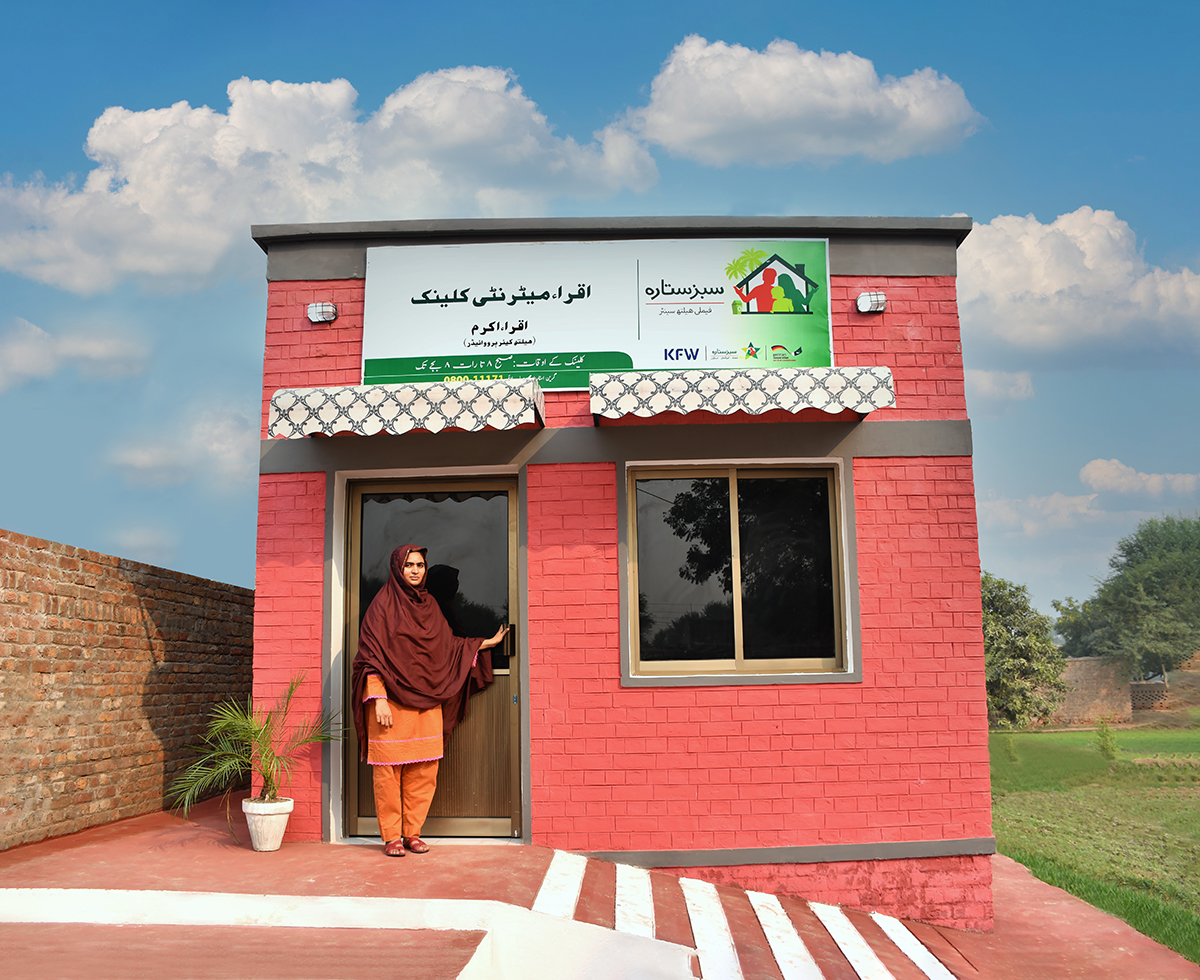
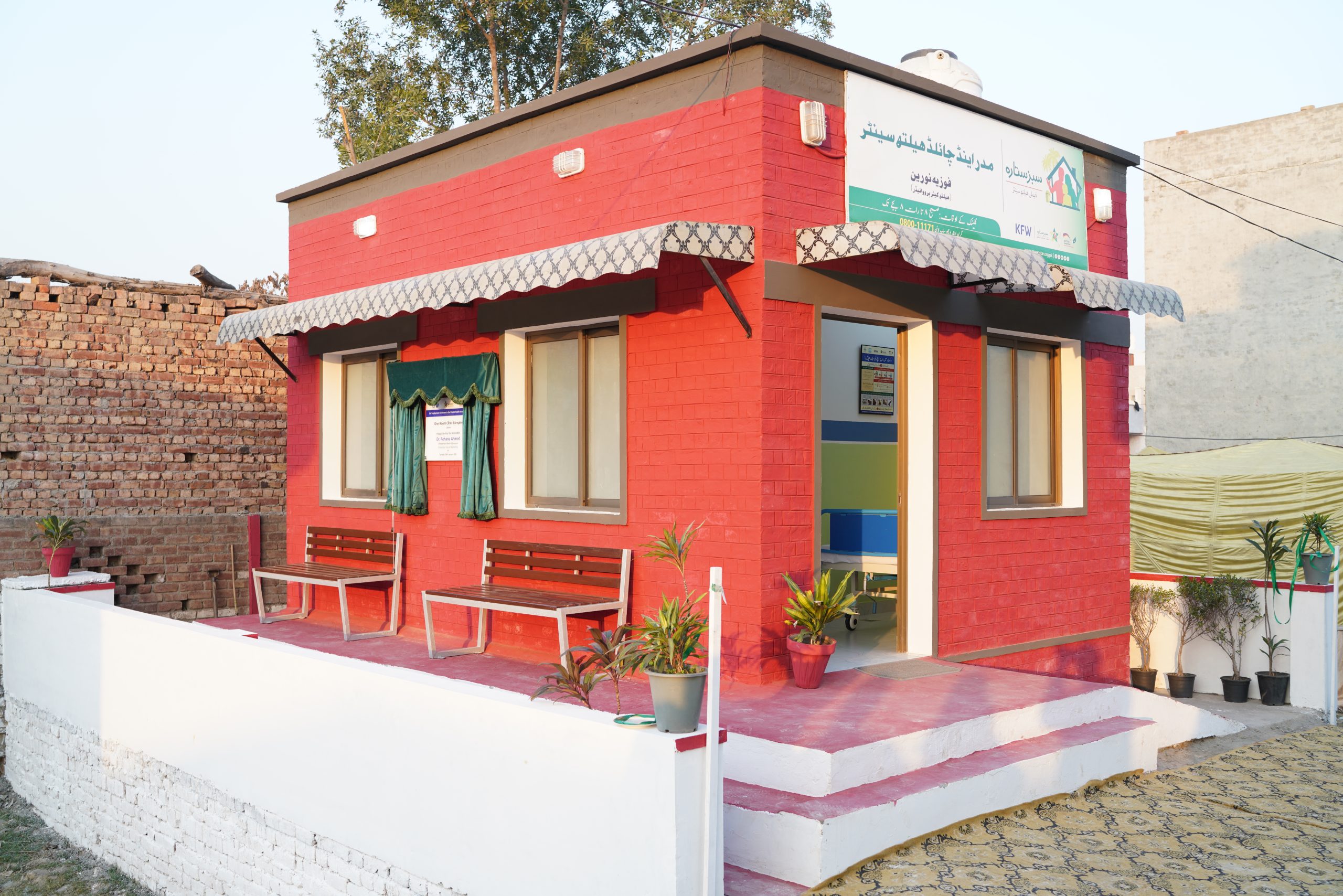
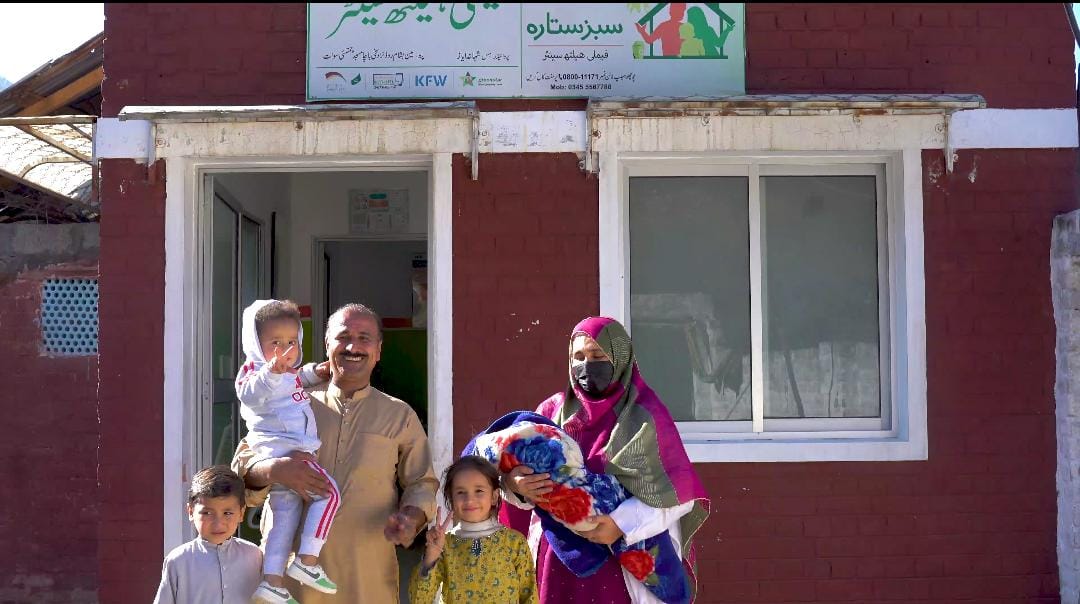
Establishment of 200 clinics
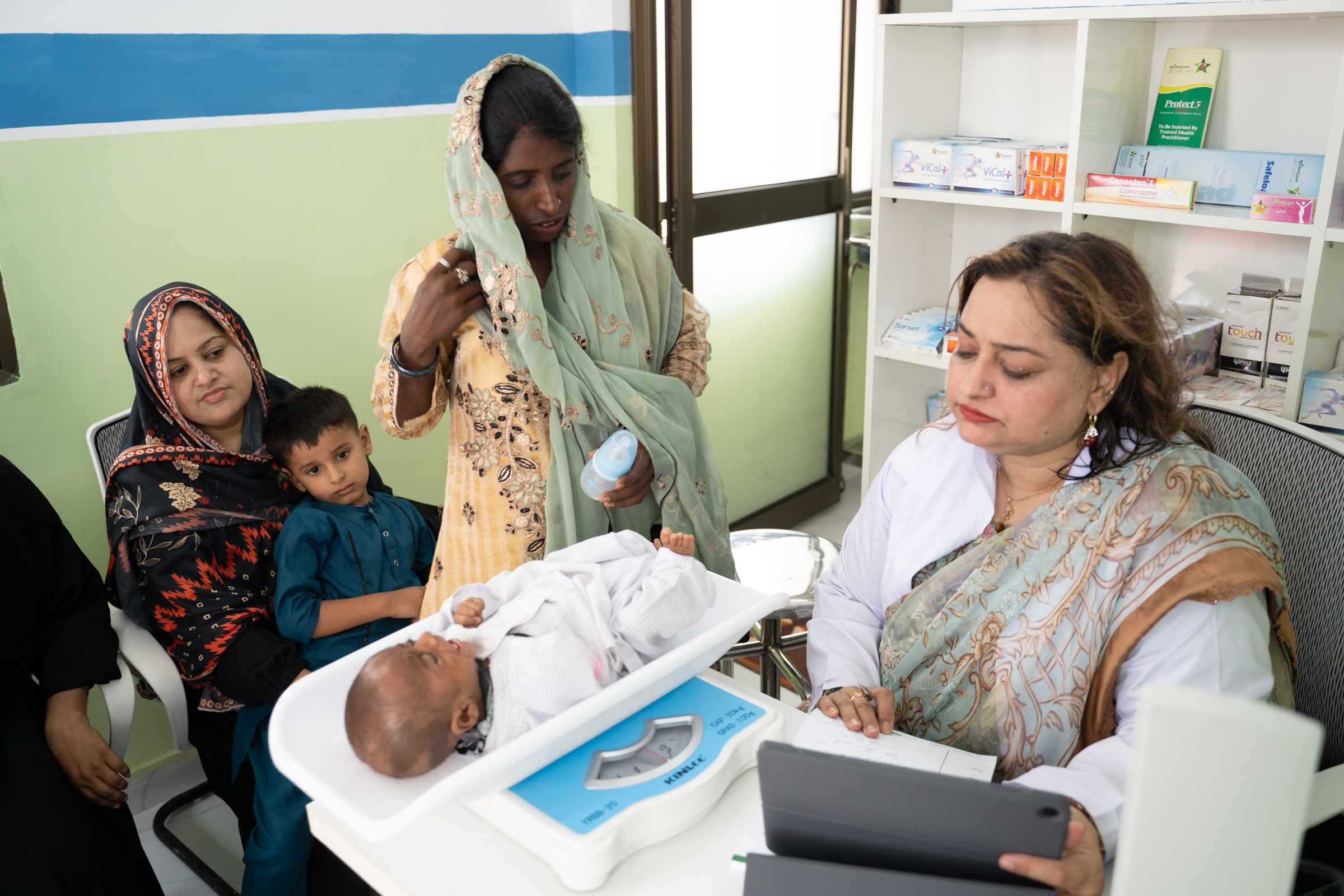
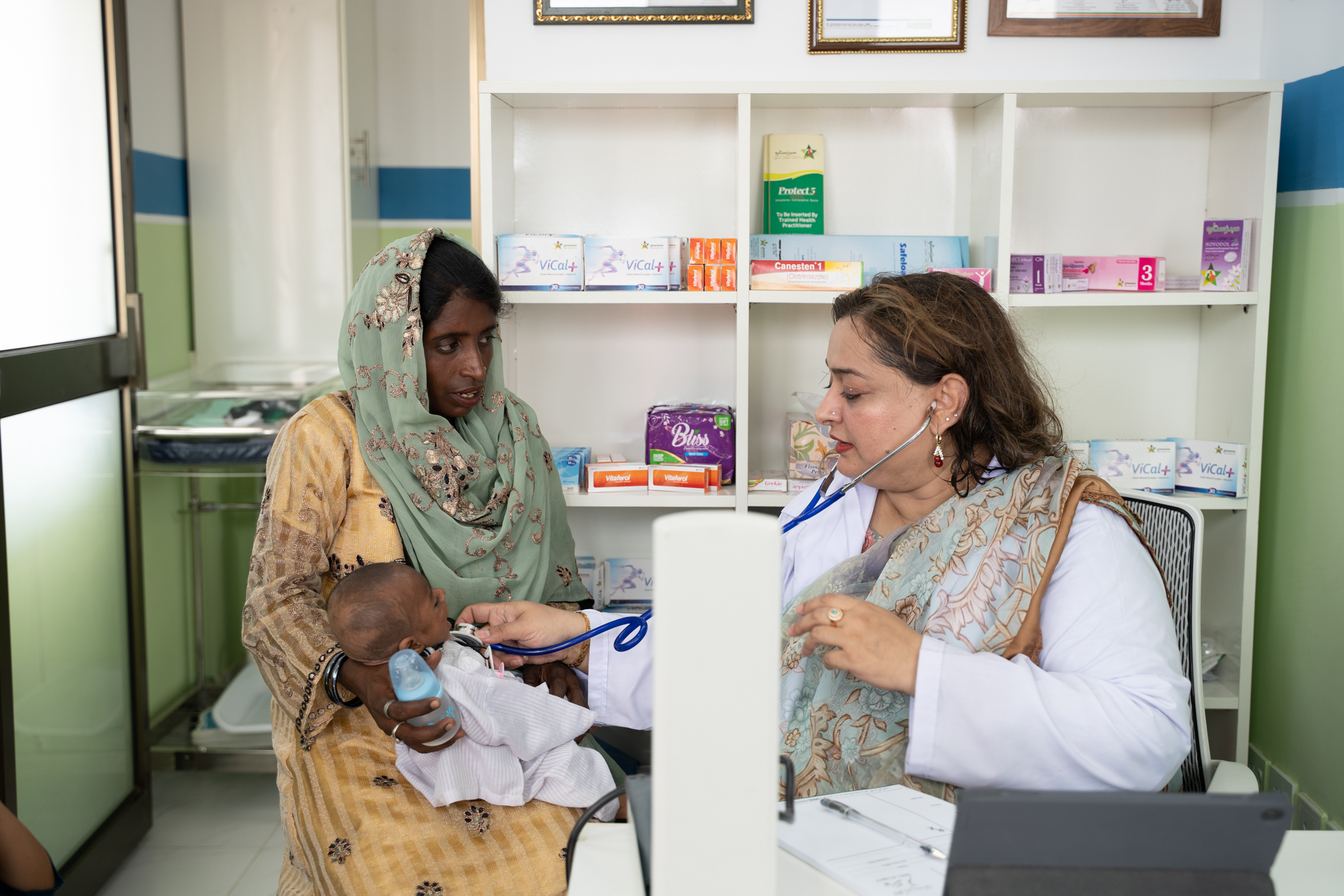
Construction of 170 one-room clinics and 30 portable container clinics to expand access to quality Maternal, Child Health (MCH), Sexual and Reproductive Health (SRH), and Family Planning (FP) services in underserved communities.
Intervention 2
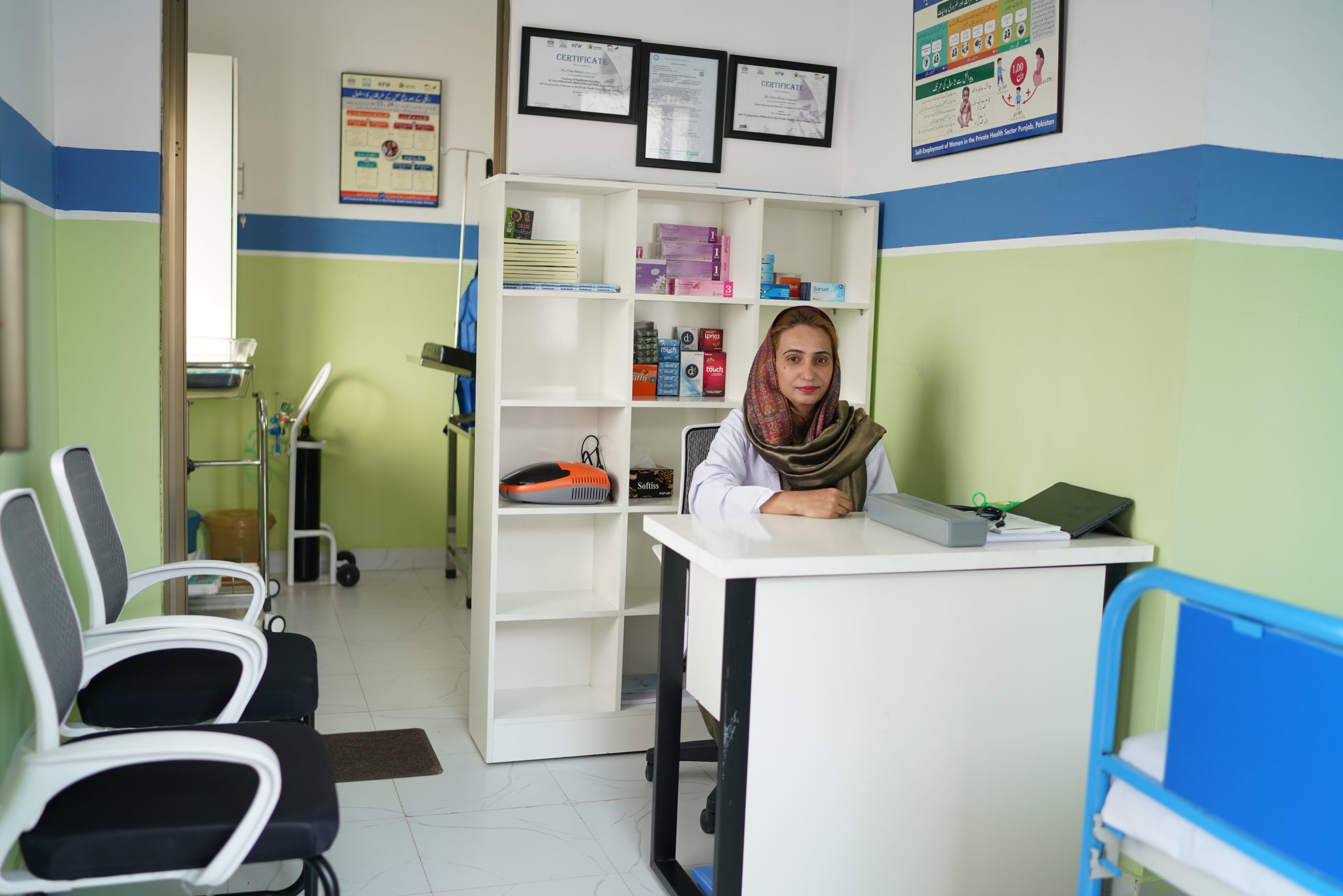
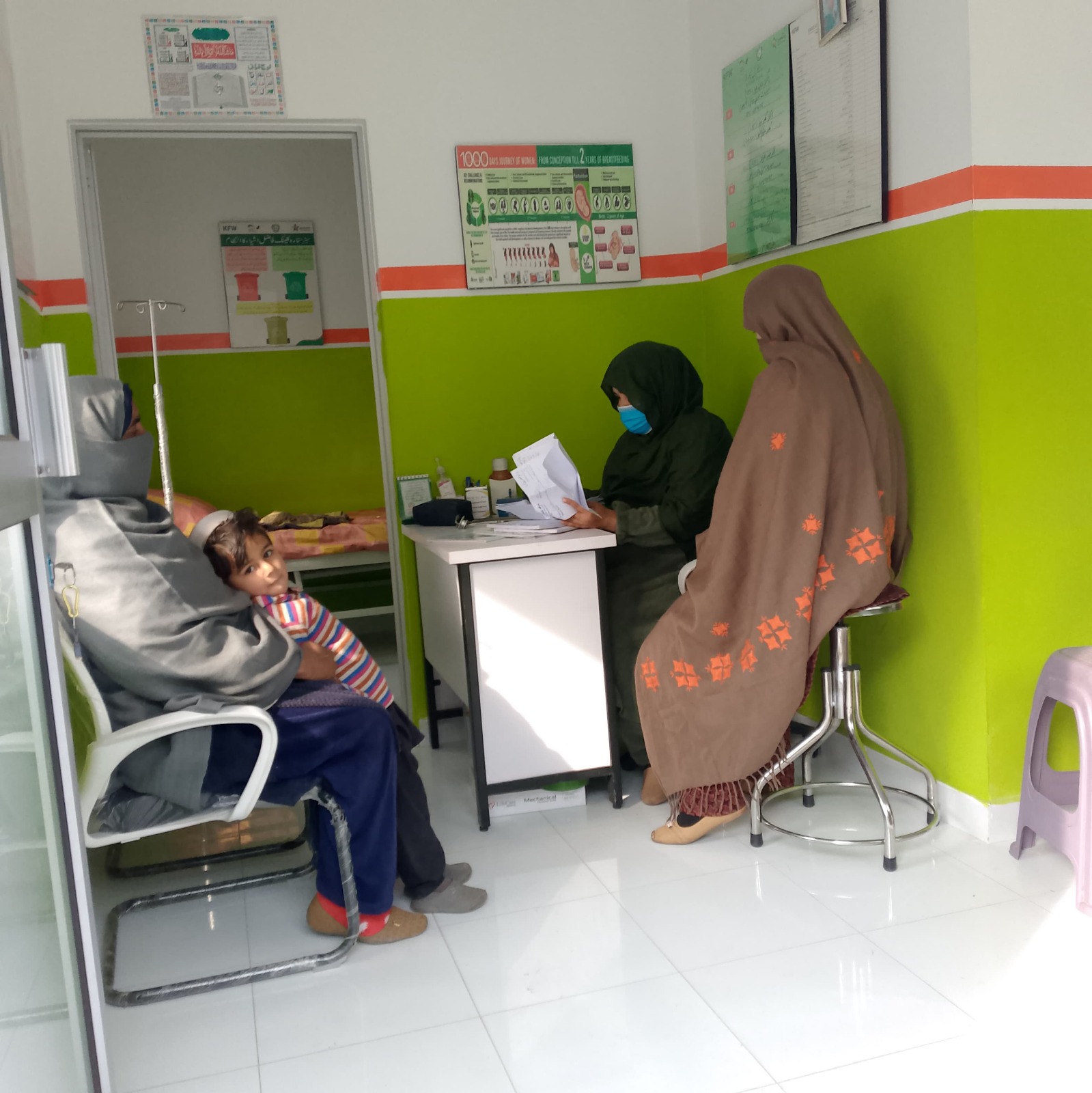
Equipping of clinics
Provision of essential medical equipment, furniture, and supplies to ensure service readiness and quality care delivery.
Intervention 3
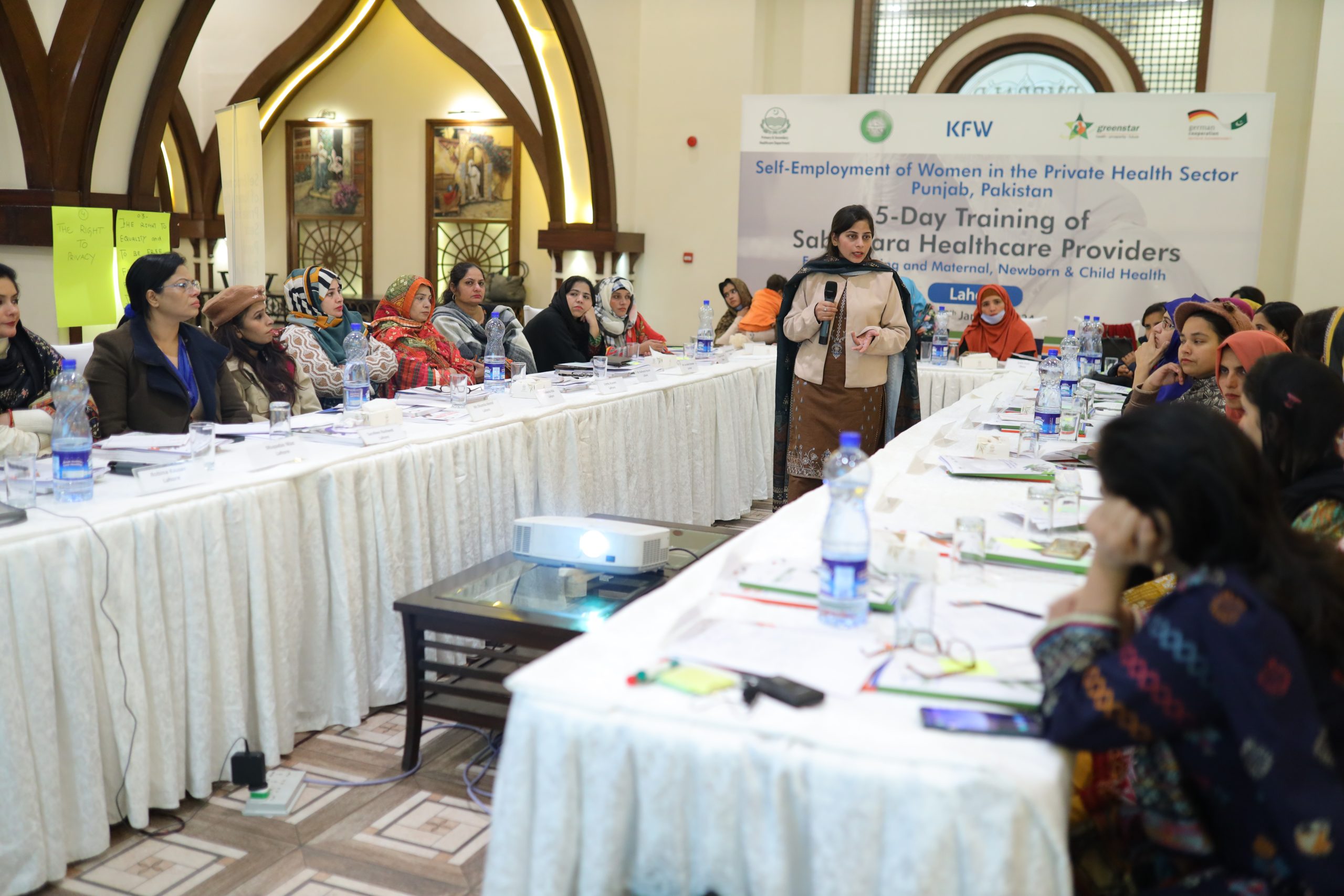
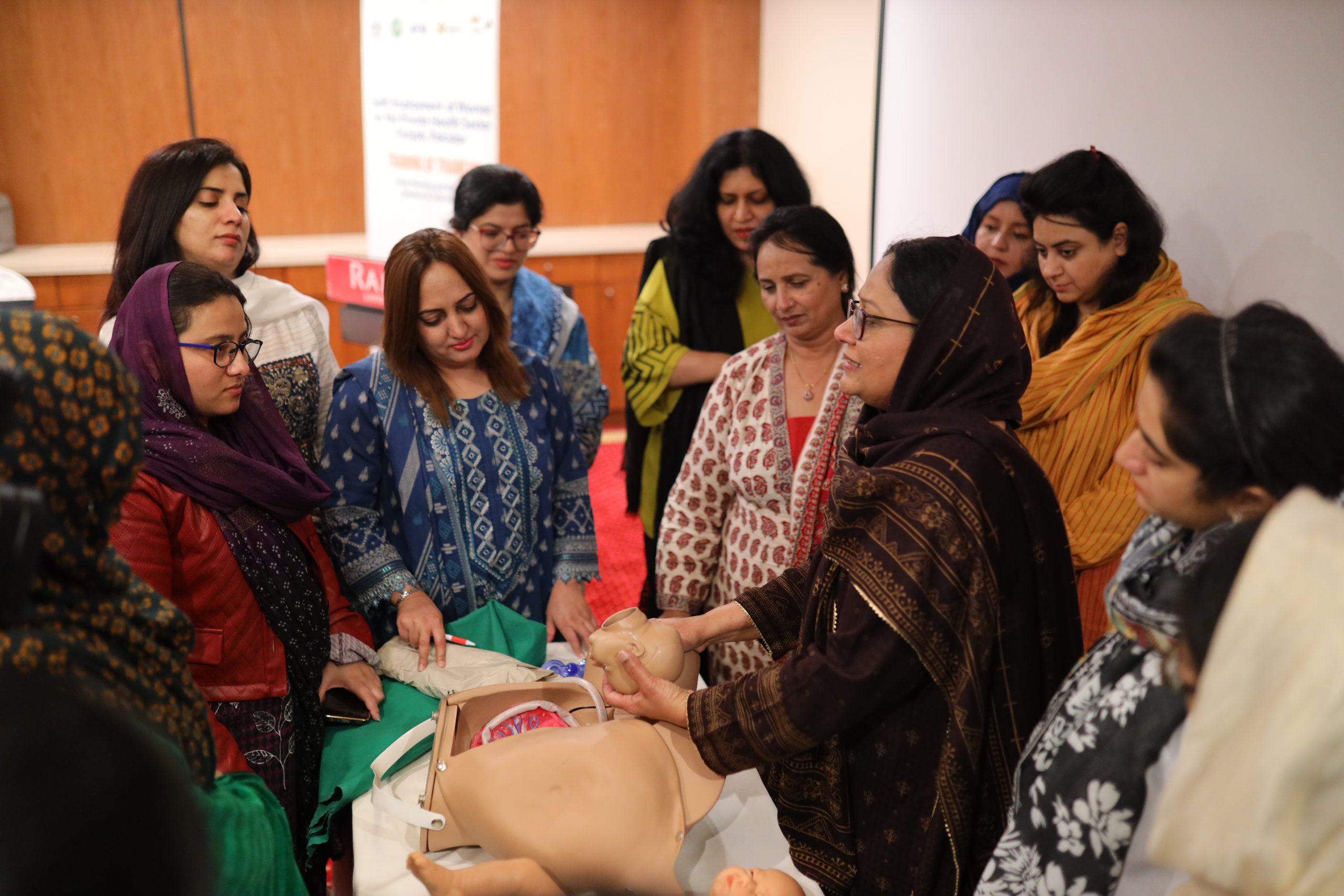
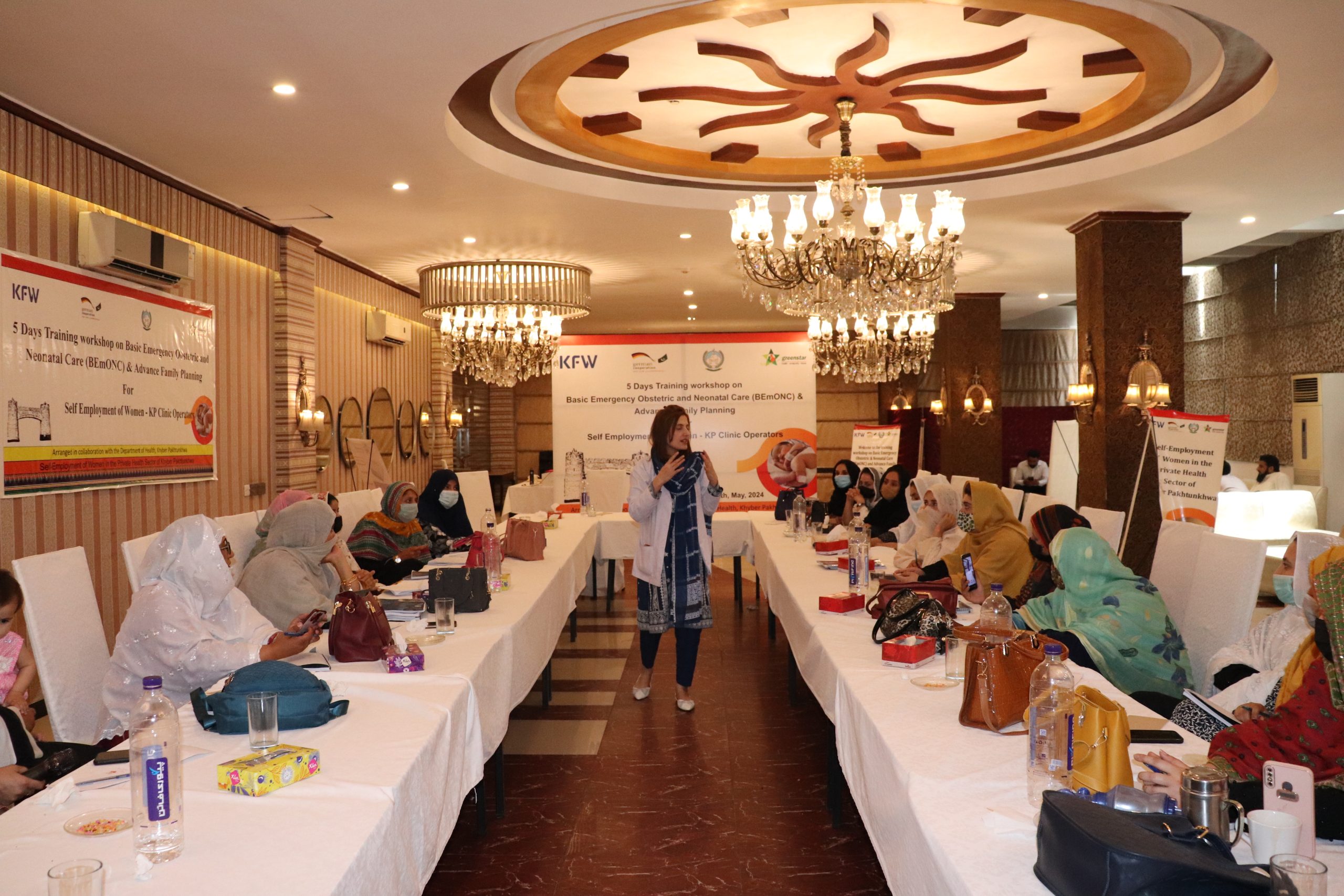
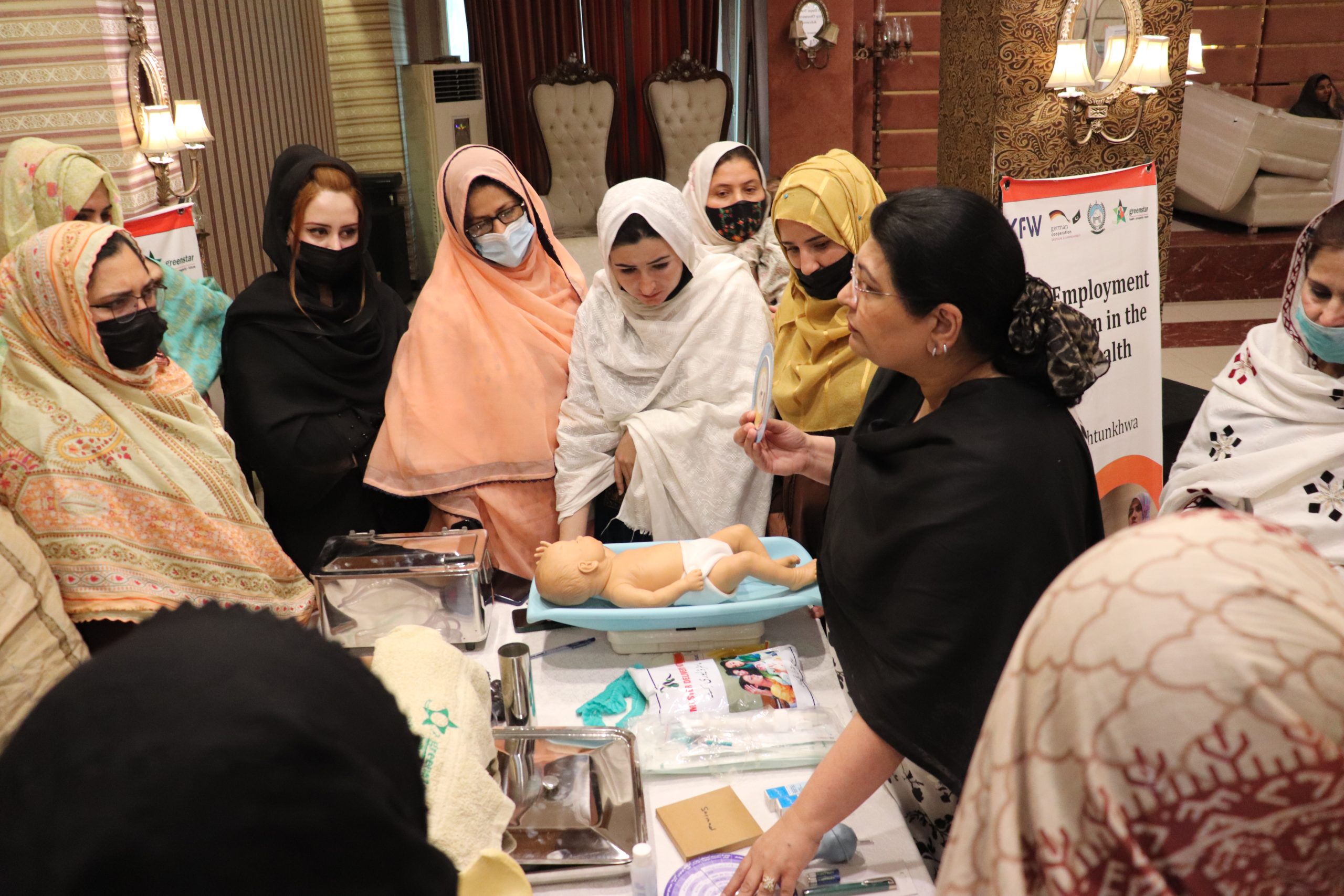
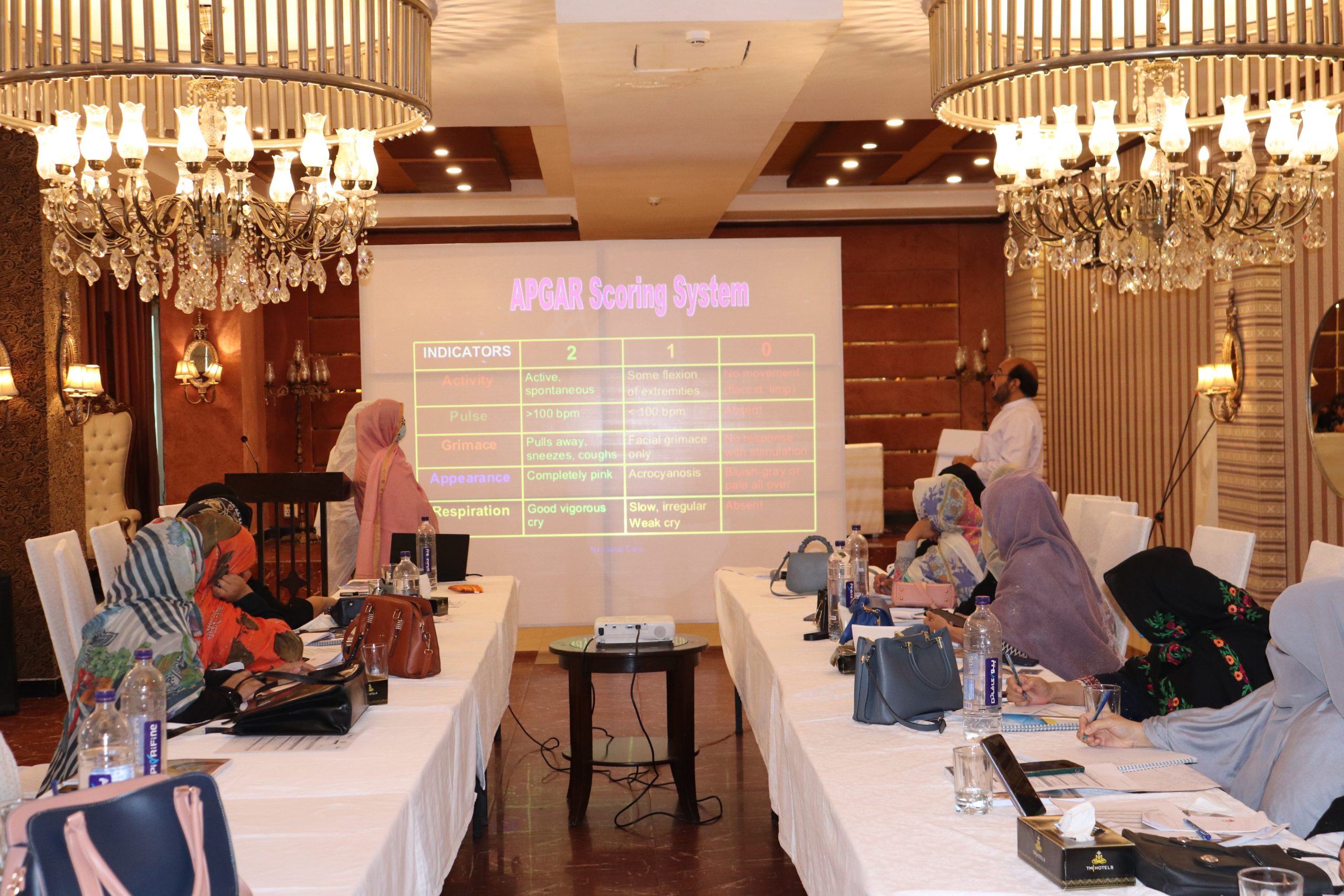
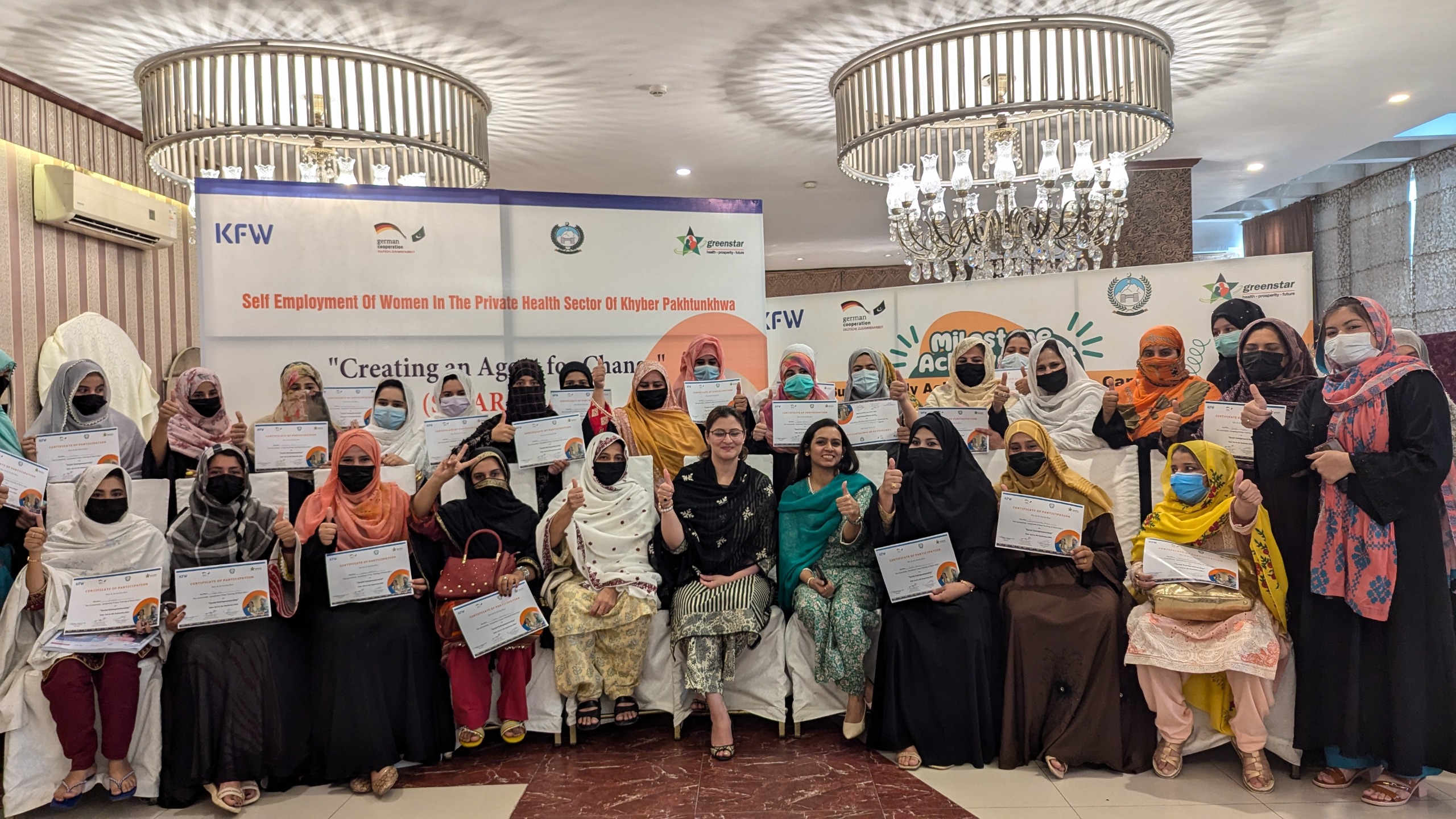
Capacity building of 200 clinic operators (LHVs)
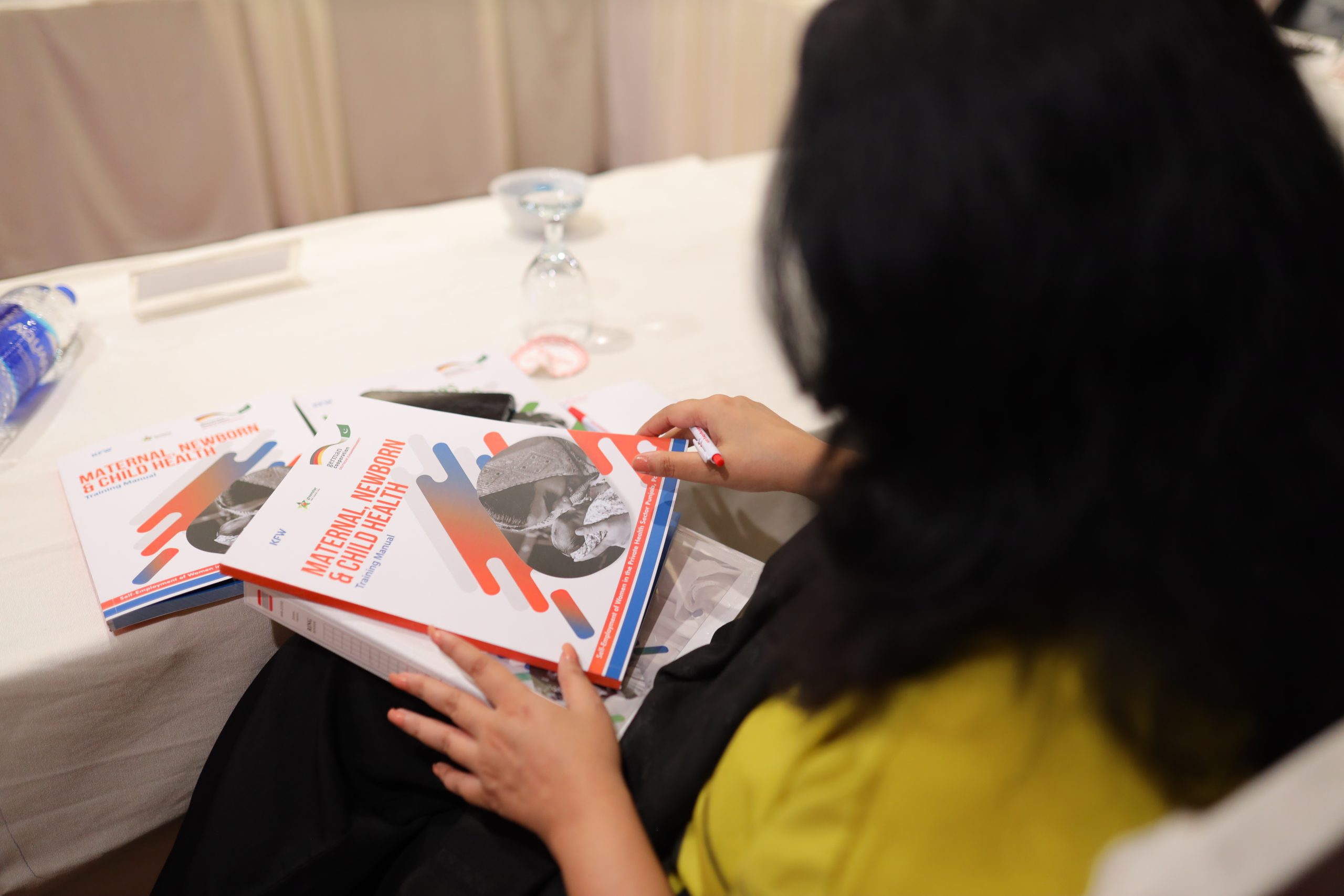
Comprehensive training on MCH, SRH, Family Planning (basic and advanced), and Social Entrepreneurship to enhance both clinical excellence and financial sustainability.
Intervention 4
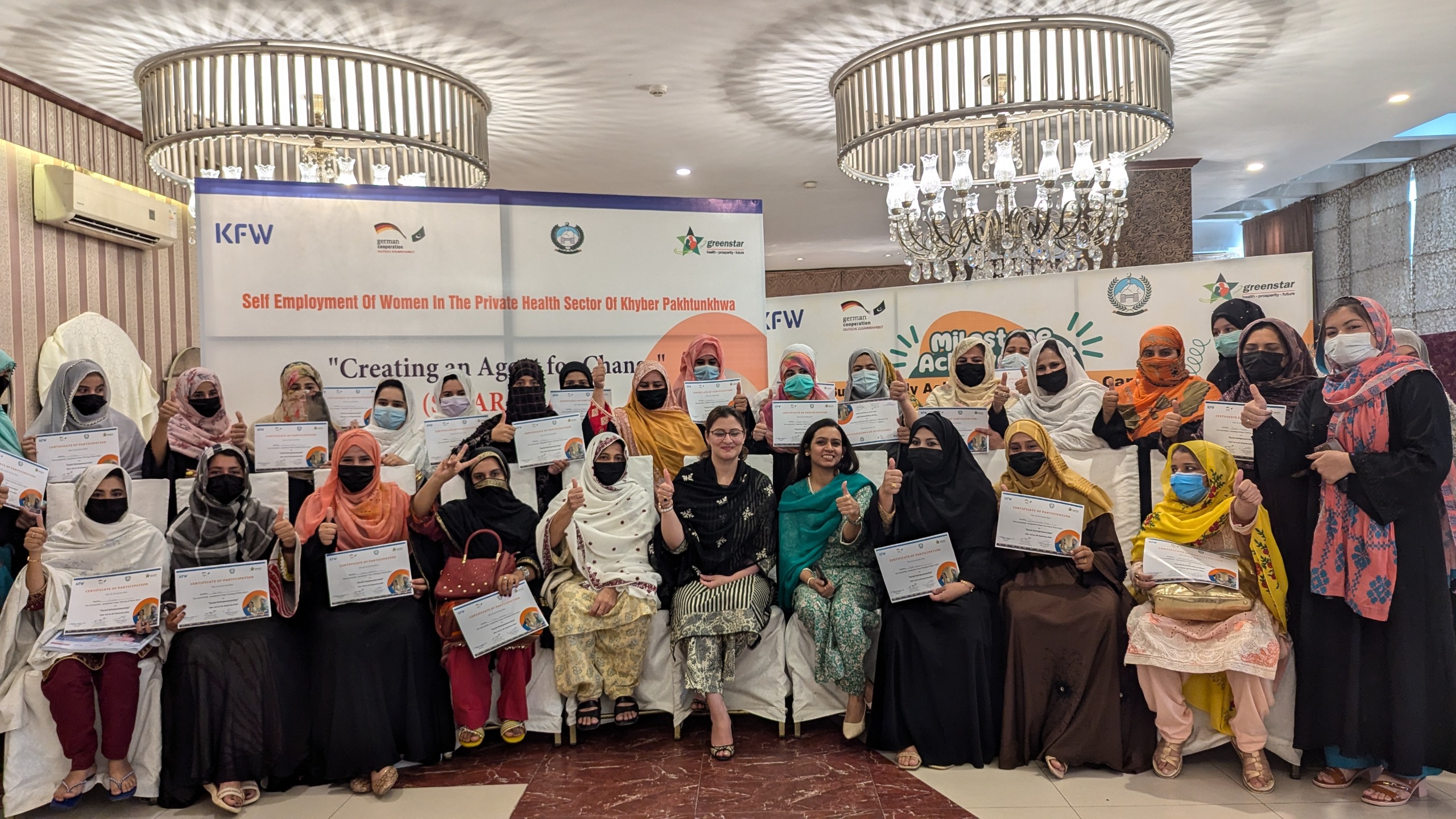
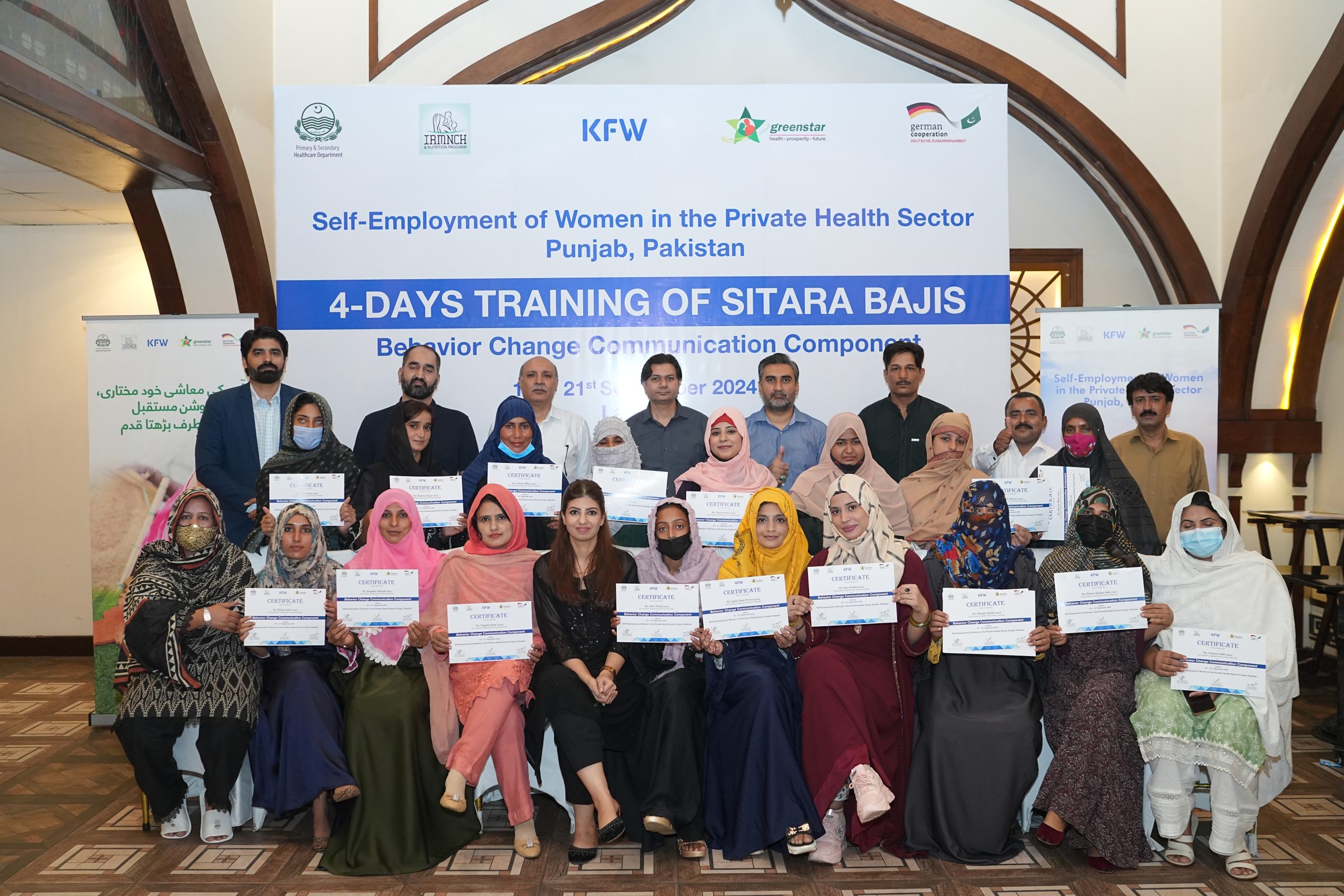
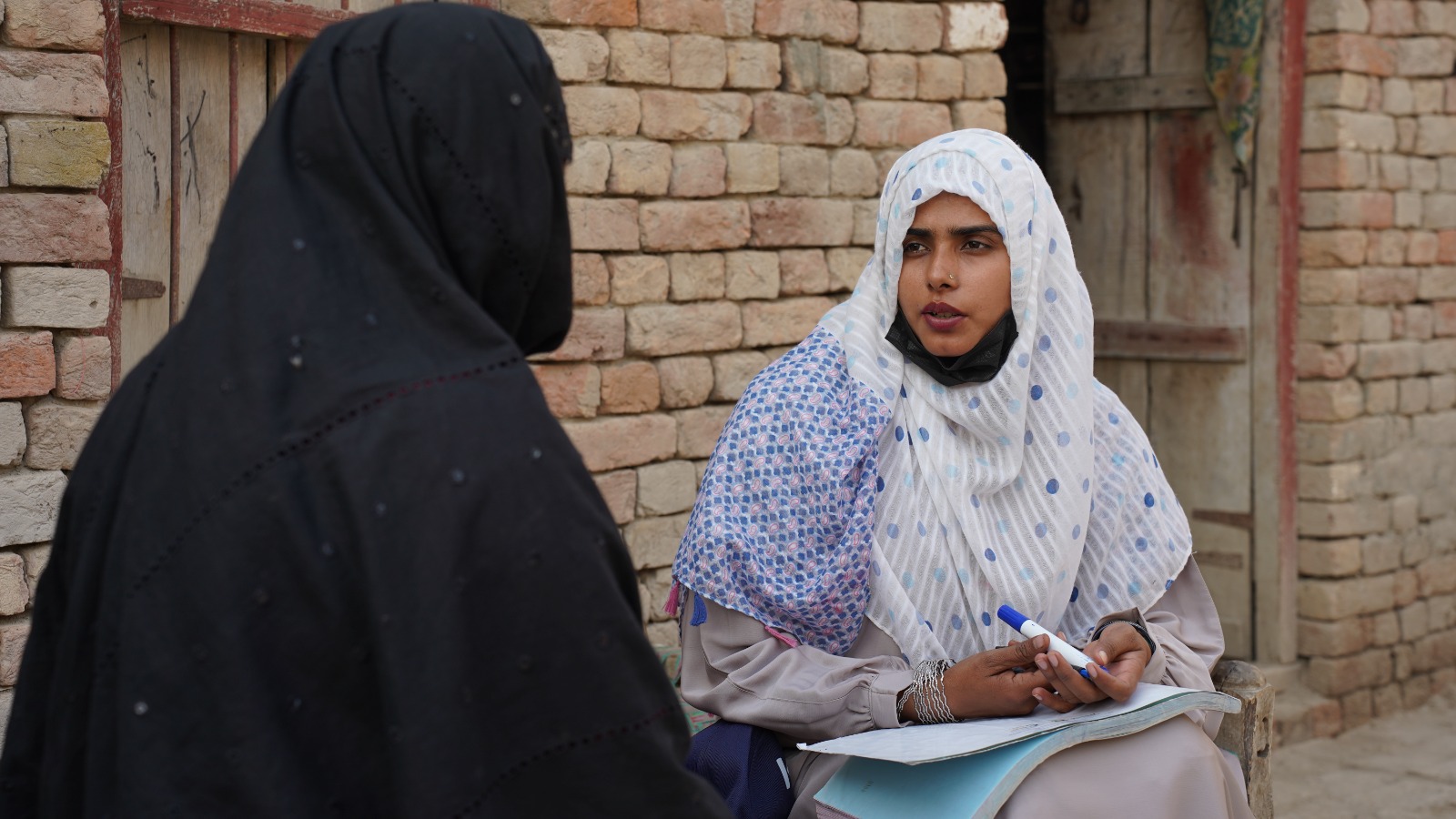
Community Entrepreneurship Model
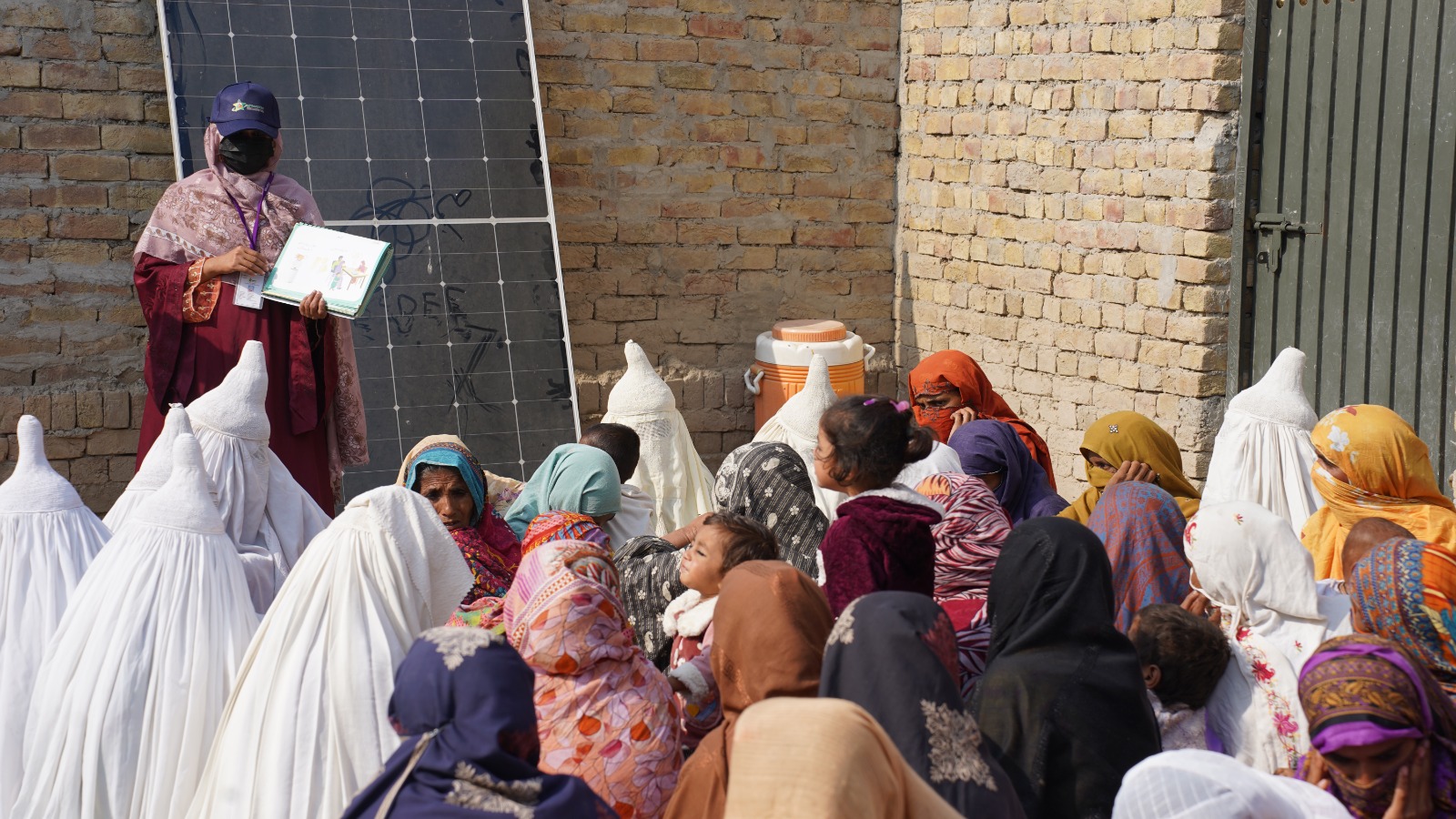
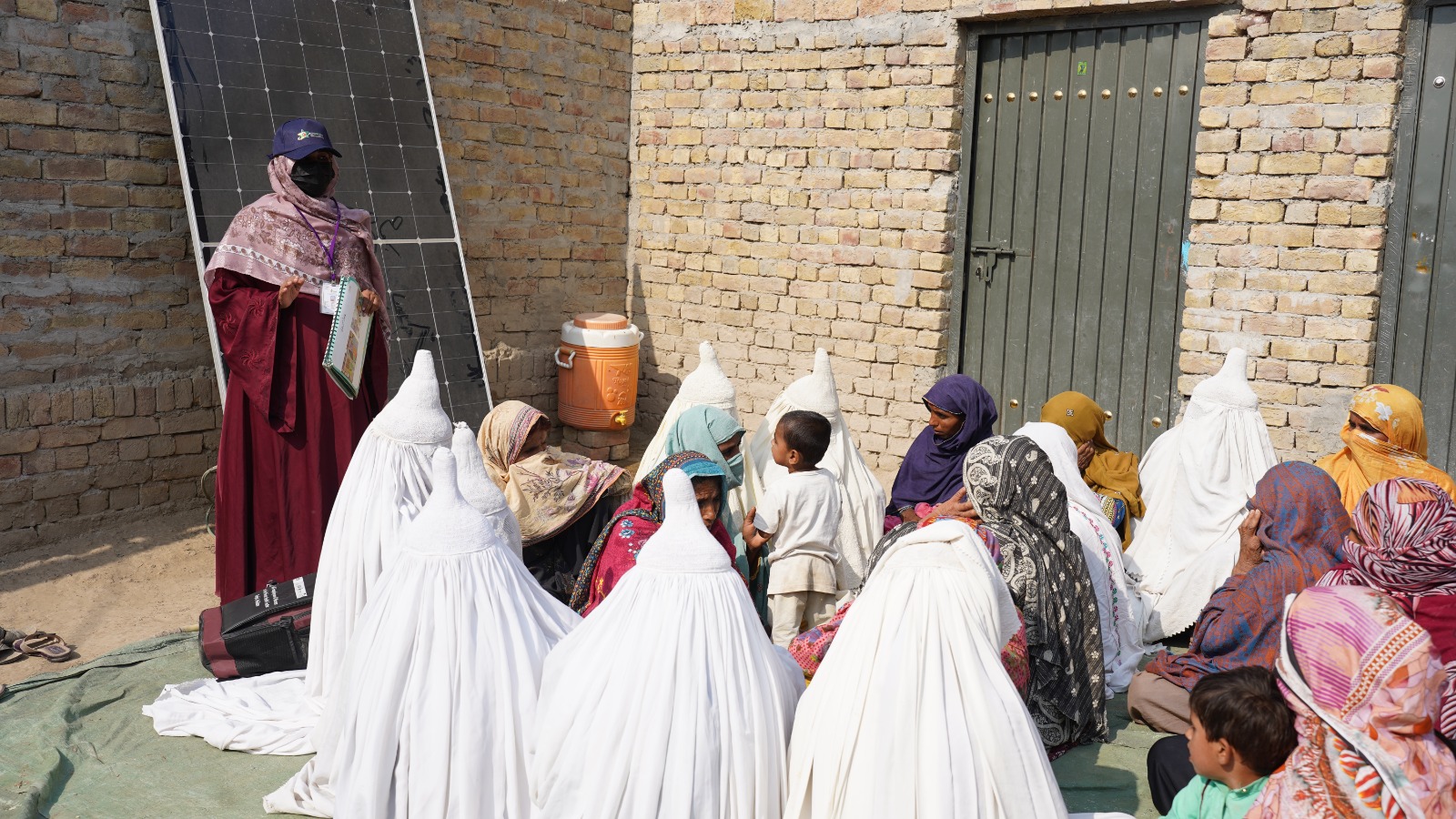
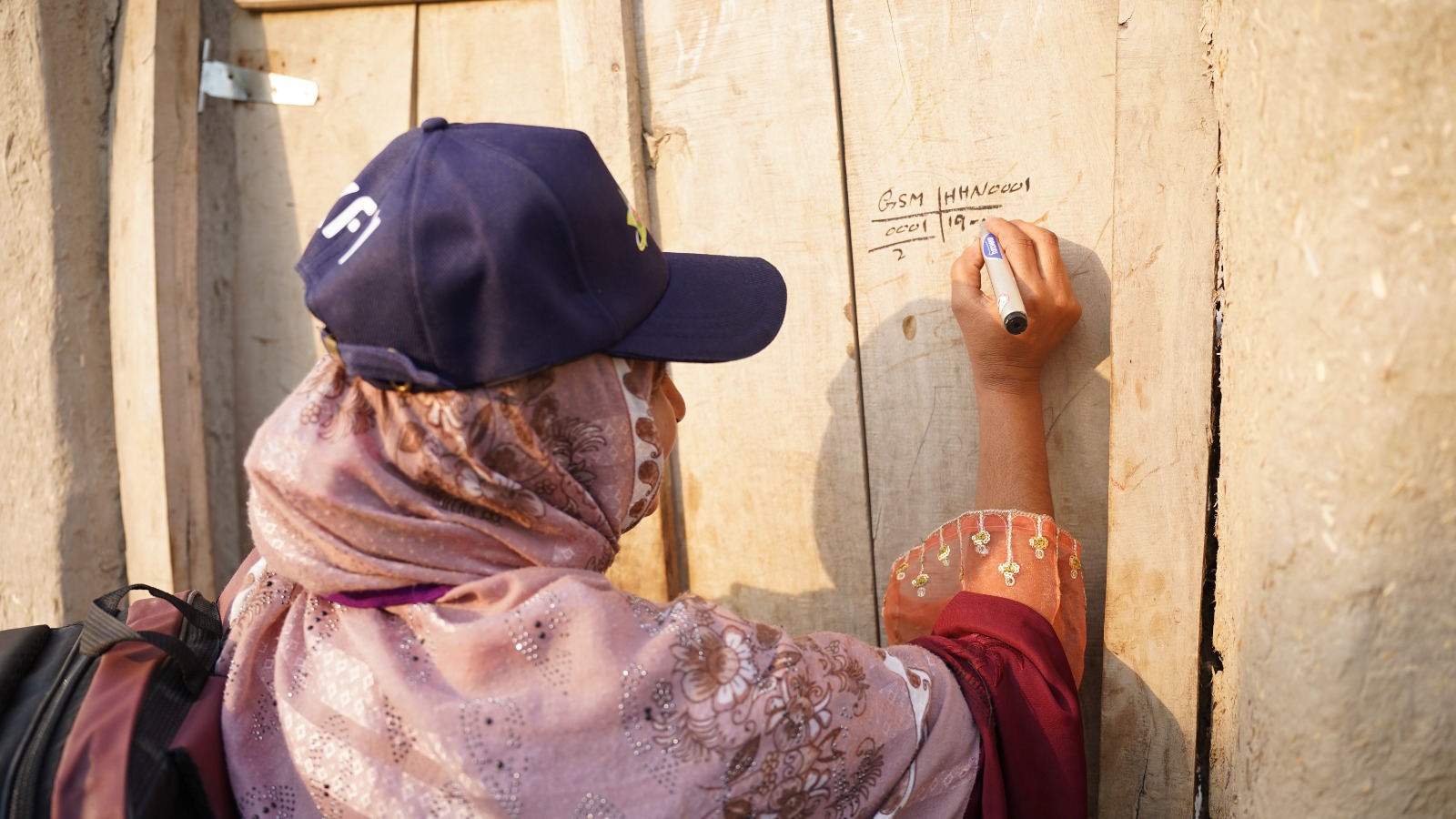
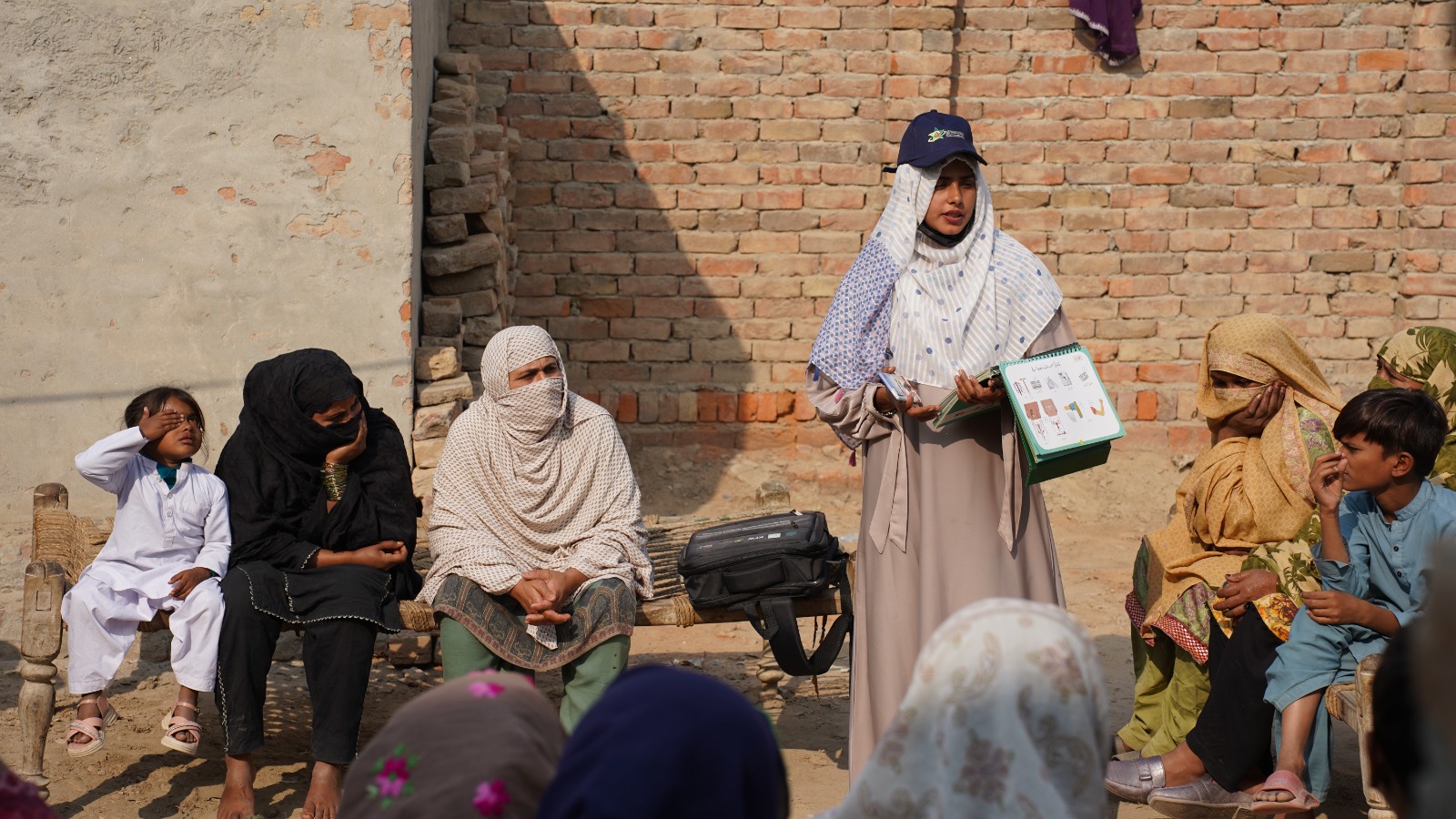
Mapping, recruitment, training, and empowerment of 200 community-based women (Sitara Bajis) to serve as local business entrepreneurs and health advocates.
Intervention 5
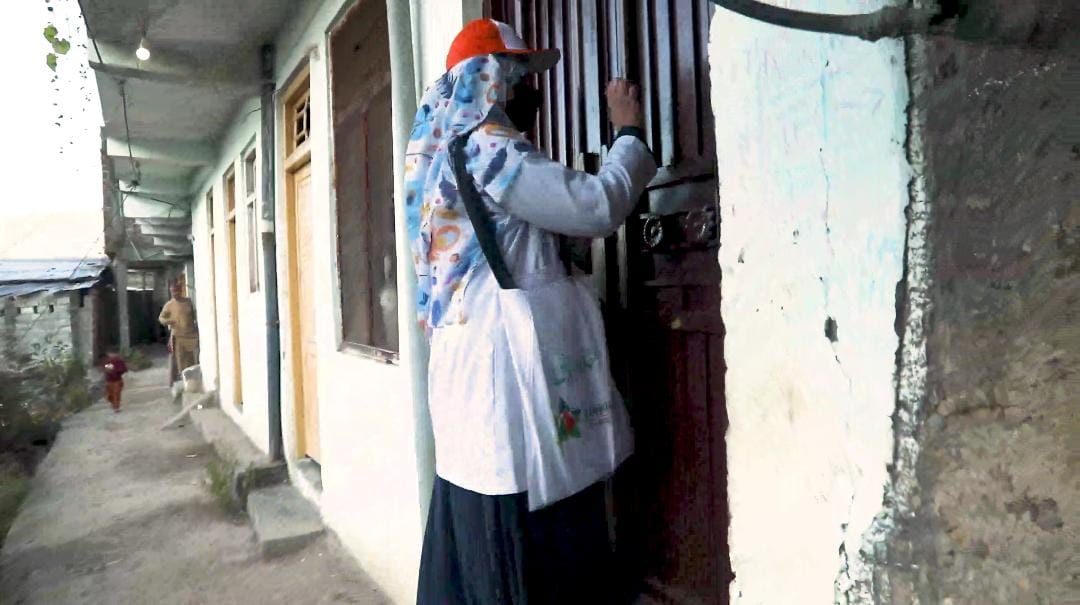
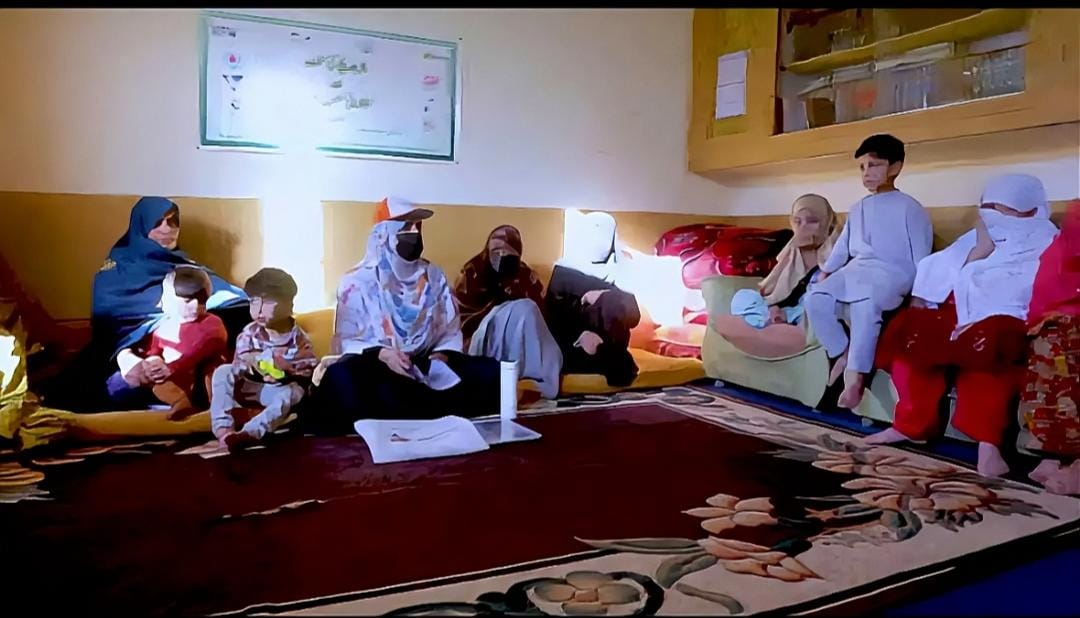
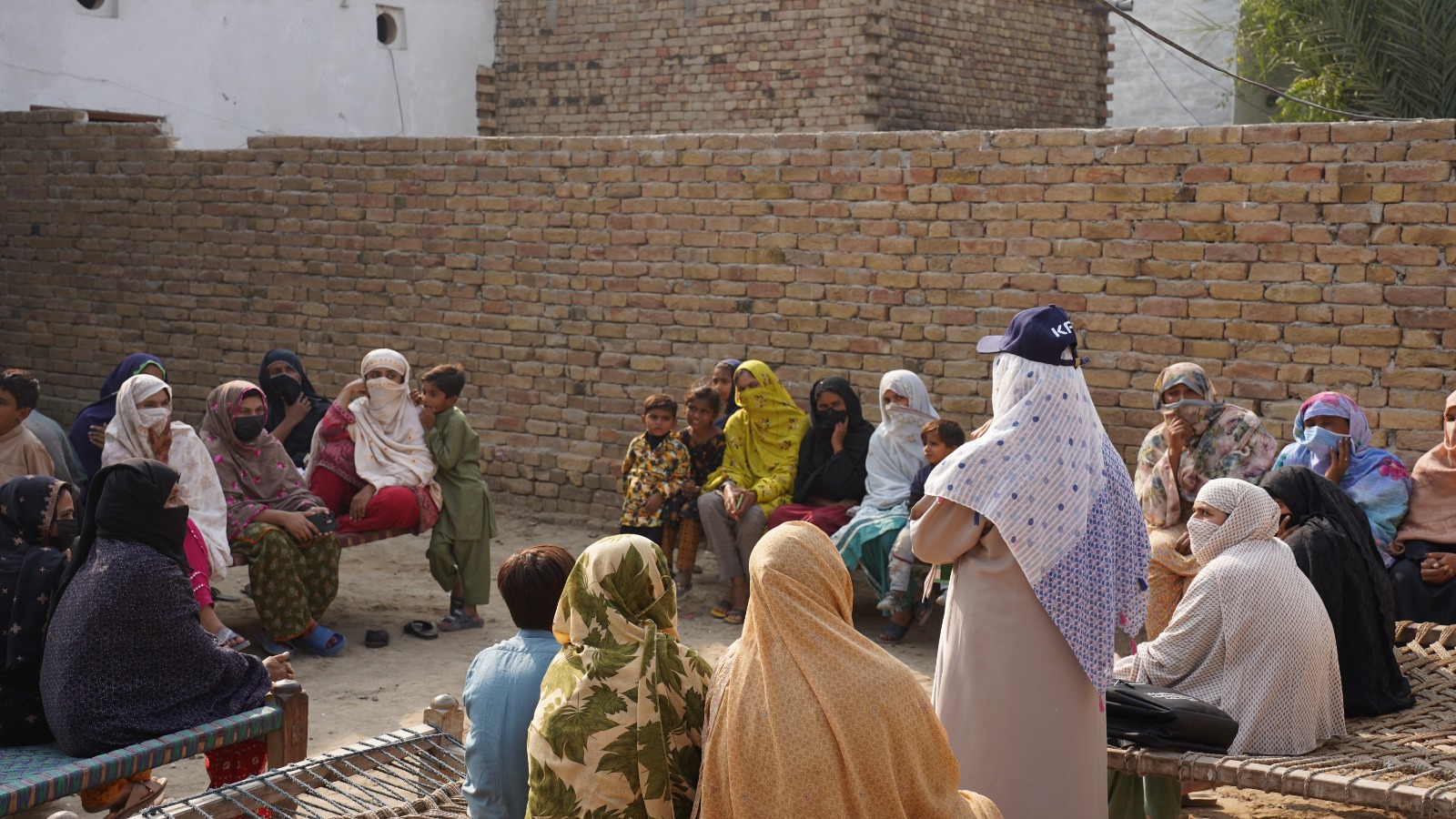
Behaviour Change Communication (BCC) campaigns
Conducting neighbourhood and mohalla-level sessions to raise awareness, promote preventive health practices, and generate demand for quality healthcare services.
Objective 2
Ensuring Sustainability and Contributing to Universal Health Coverage
Aligned with our mission to strengthen health systems and contribute to Universal Health Coverage (UHC), the project integrates sustainability mechanisms within both service delivery and governance structures.
Key Activities Include
Strengthening Public-Private Partnerships: Close collaboration with the Department of Health to ensure alignment with provincial health priorities and regulatory frameworks.
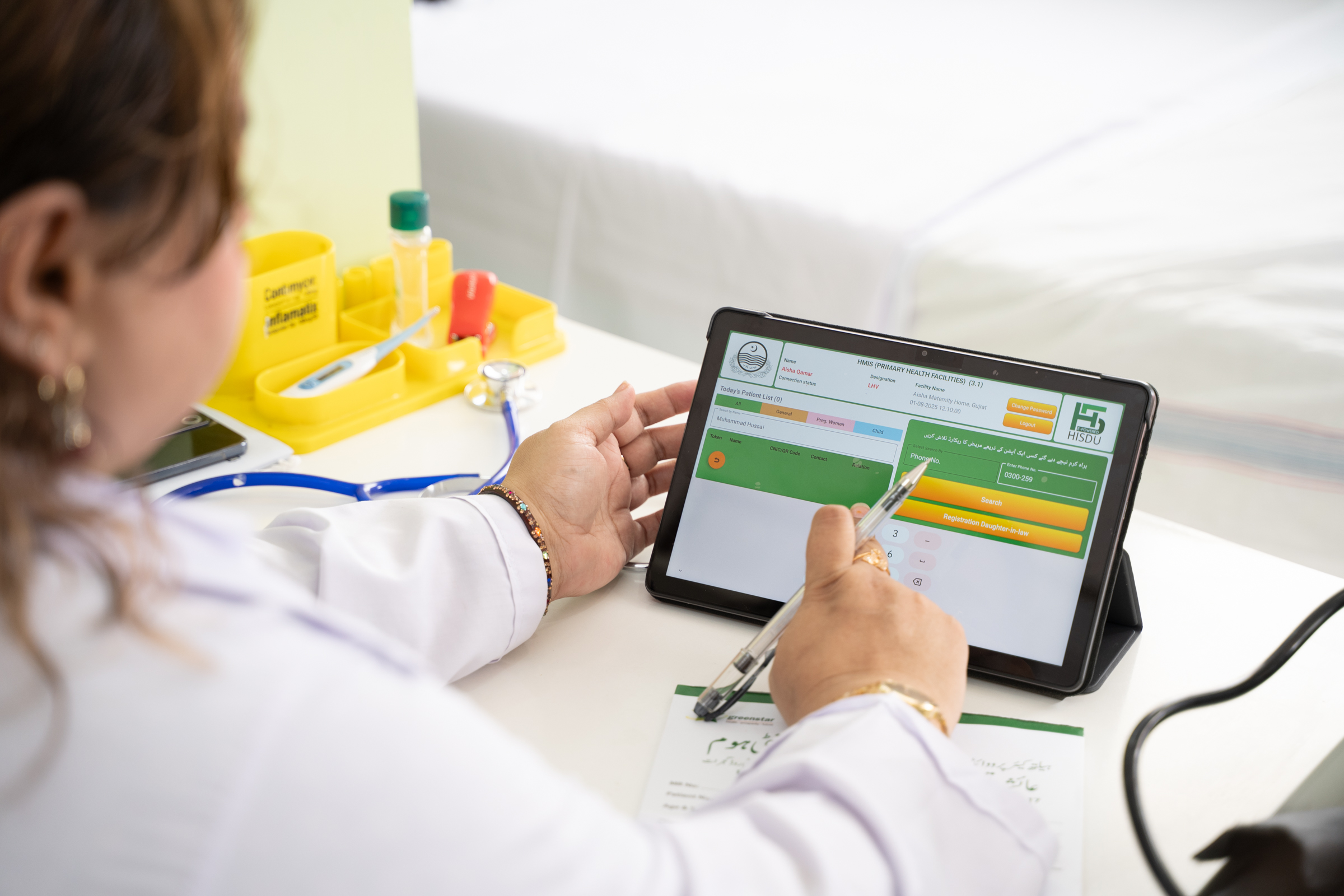
Digitalization and Data Integration: Digital transformation of clinics and integration of private provider data into the Department of Health’s mainstream reporting systems to improve transparency, monitoring, and evidence-based decision-making.
Family Planning Impact: Generation of an estimated 256,246 Couple Years of Protection (CYP), contributing to improved reproductive health outcomes and reduced unmet need for family planning services.
Results & Achievements (March–Dec 2025)
| Province | Women-Led Clinics | Clients Served | Safe Deliveries | FP Services | Children Immunised | Avg Monthly Income (PKR) |
|---|---|---|---|---|---|---|
| Punjab | 130 | 100,000 | 1382 | 4207 | 800 | 45,000 |
| KP | 70 | 52,000 | 1642 | 1740 | 623 | 35,000 |
Stories & Testimonials
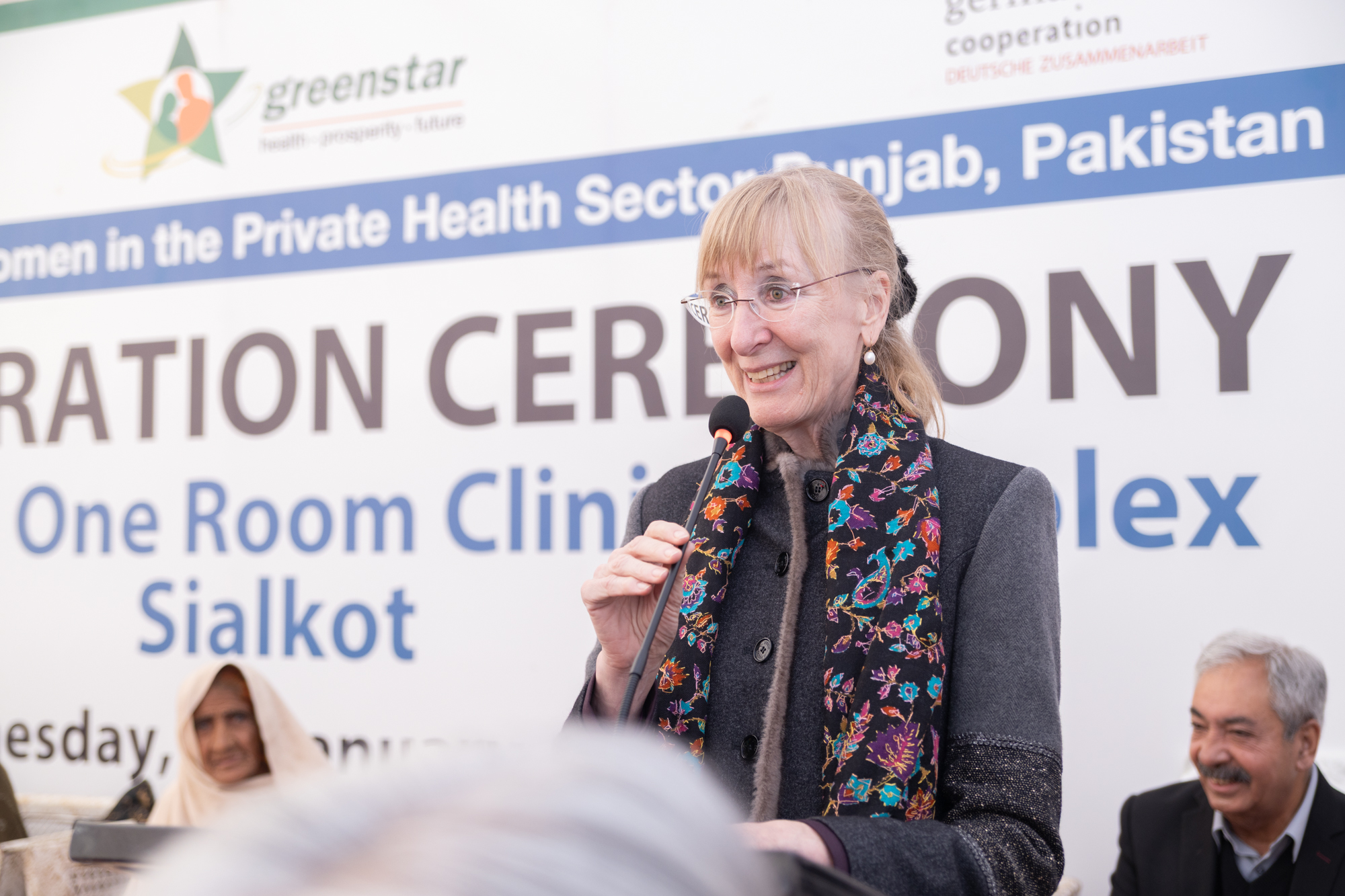
Her Excellency Ms. Ina Lepel
The German Ambassador to Pakistan
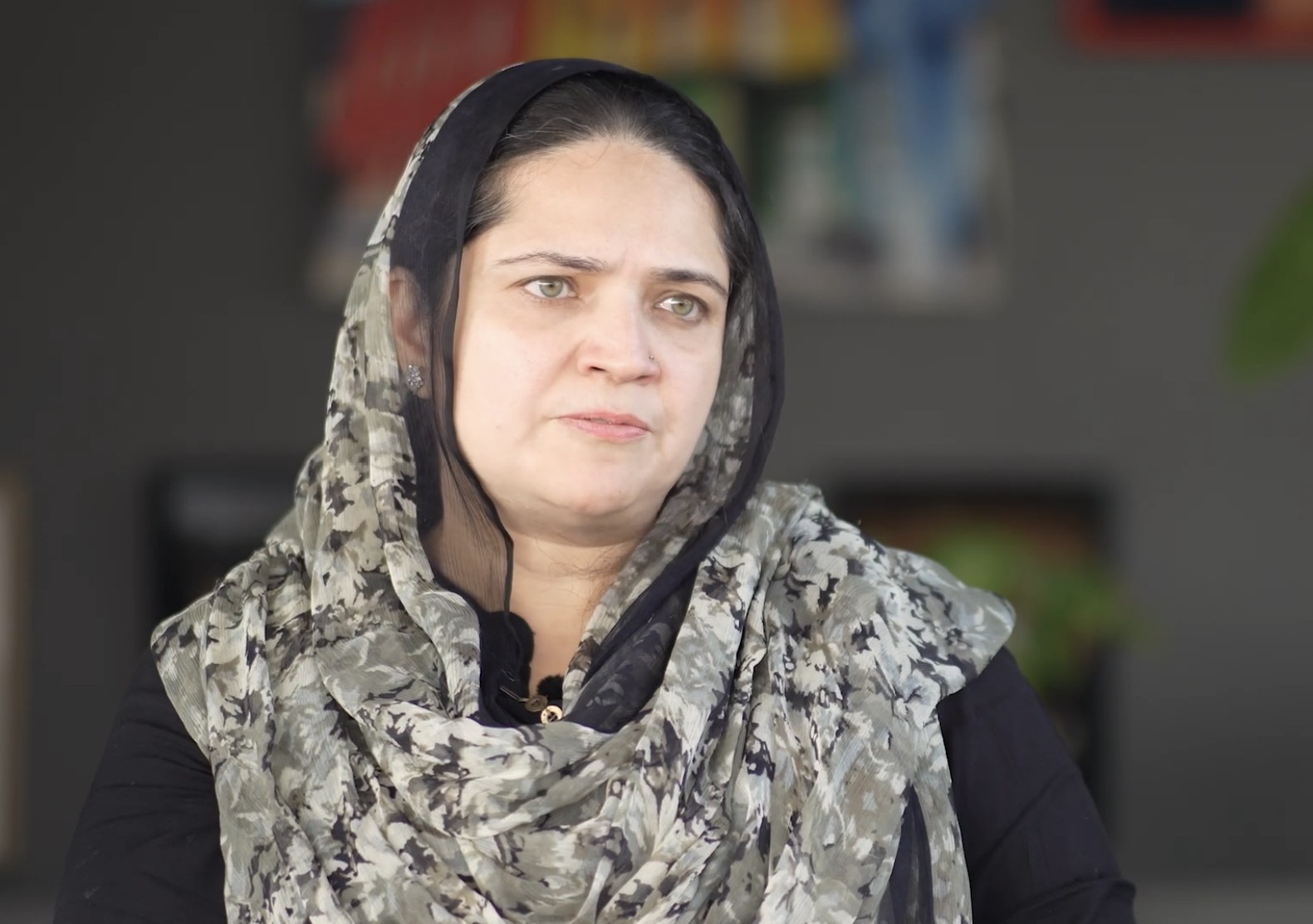
Dr. Masuma Zaidi
Senior Sector Specialist – Health KfW - German Development Bank
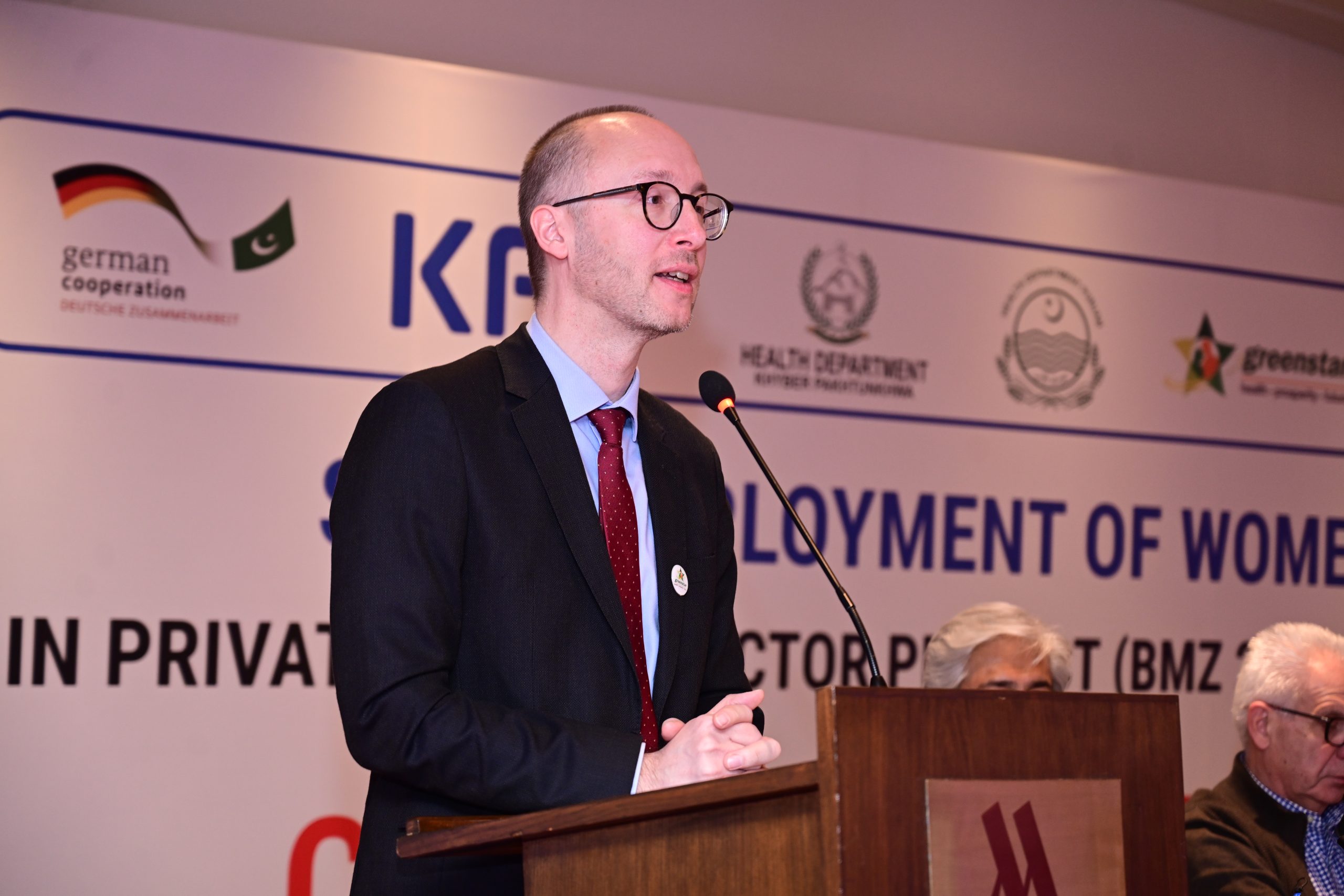
Mr. Sebastian Jacobi
Country KfW German Development Bank, Pakistan
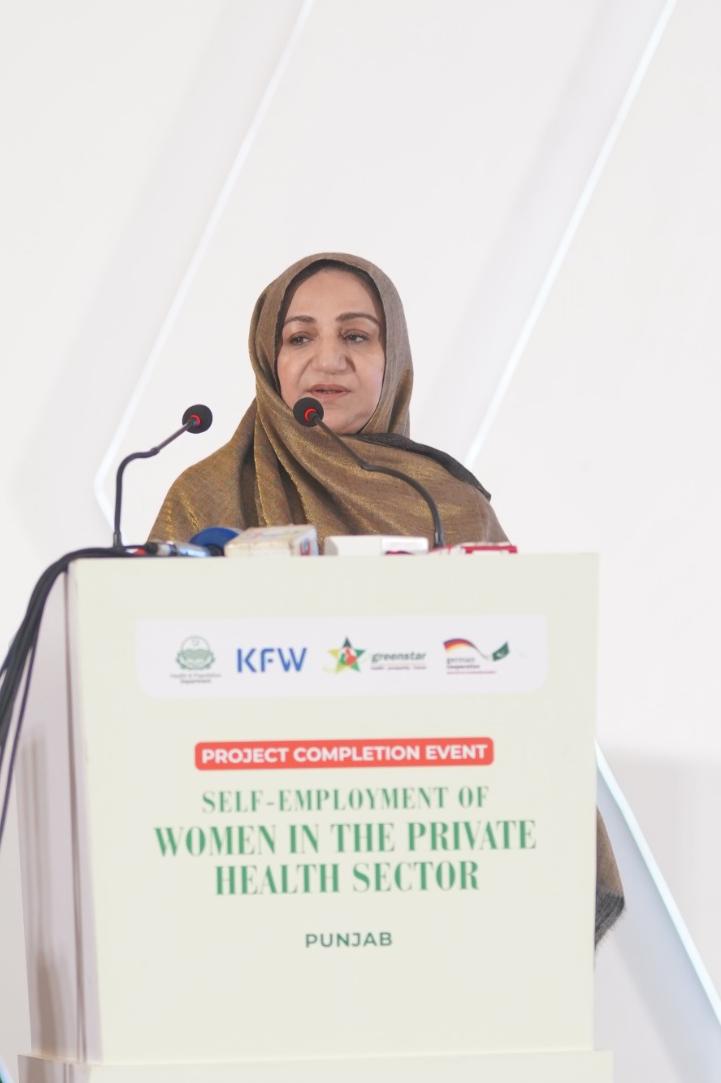
Madam Saira Afzal Tarar
Coordinator to the Chief Minister Health & Population, Punjab
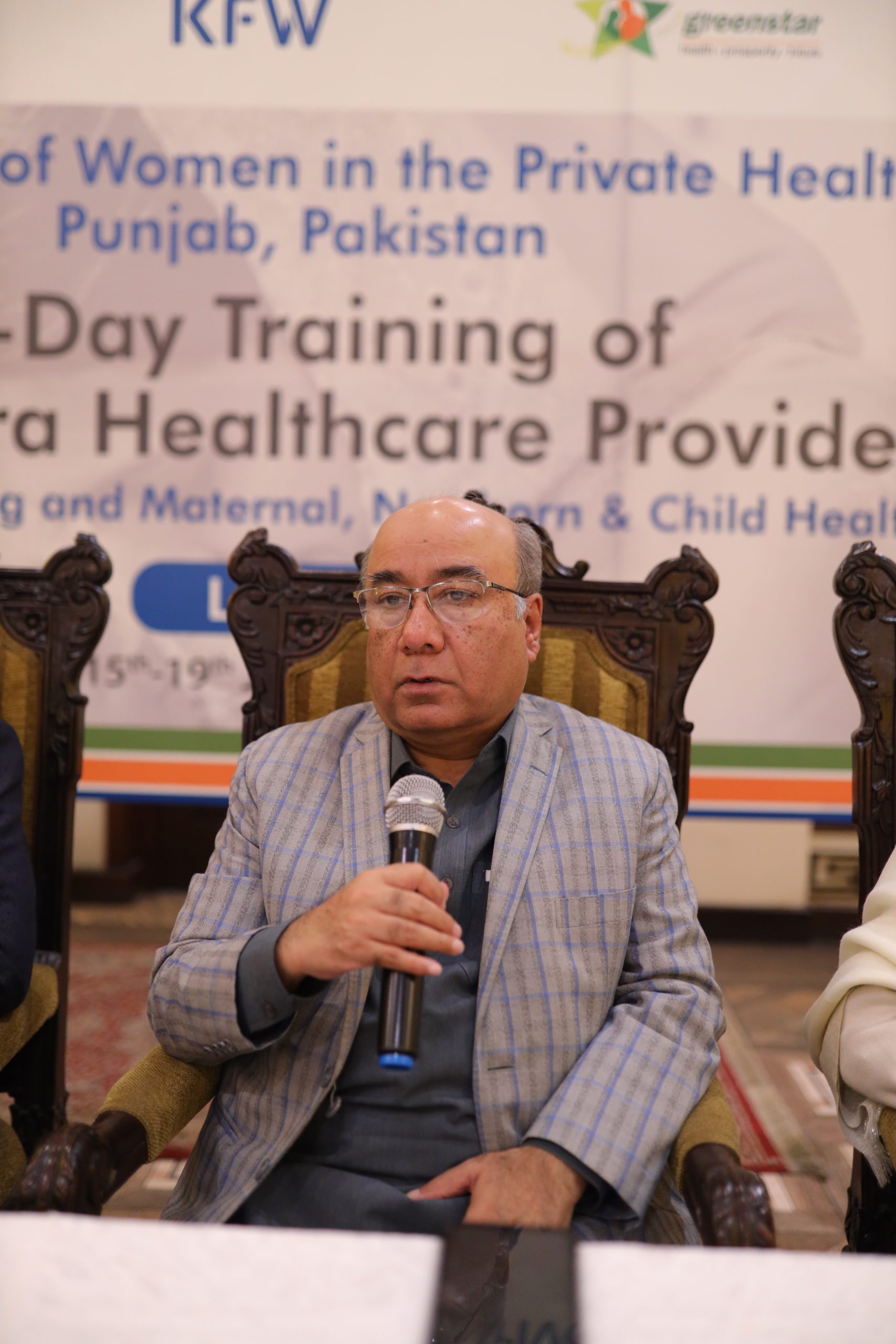
Dr. Muhammad Khalil Ahmed
Director General Health Services Health & Population Department, Punjab
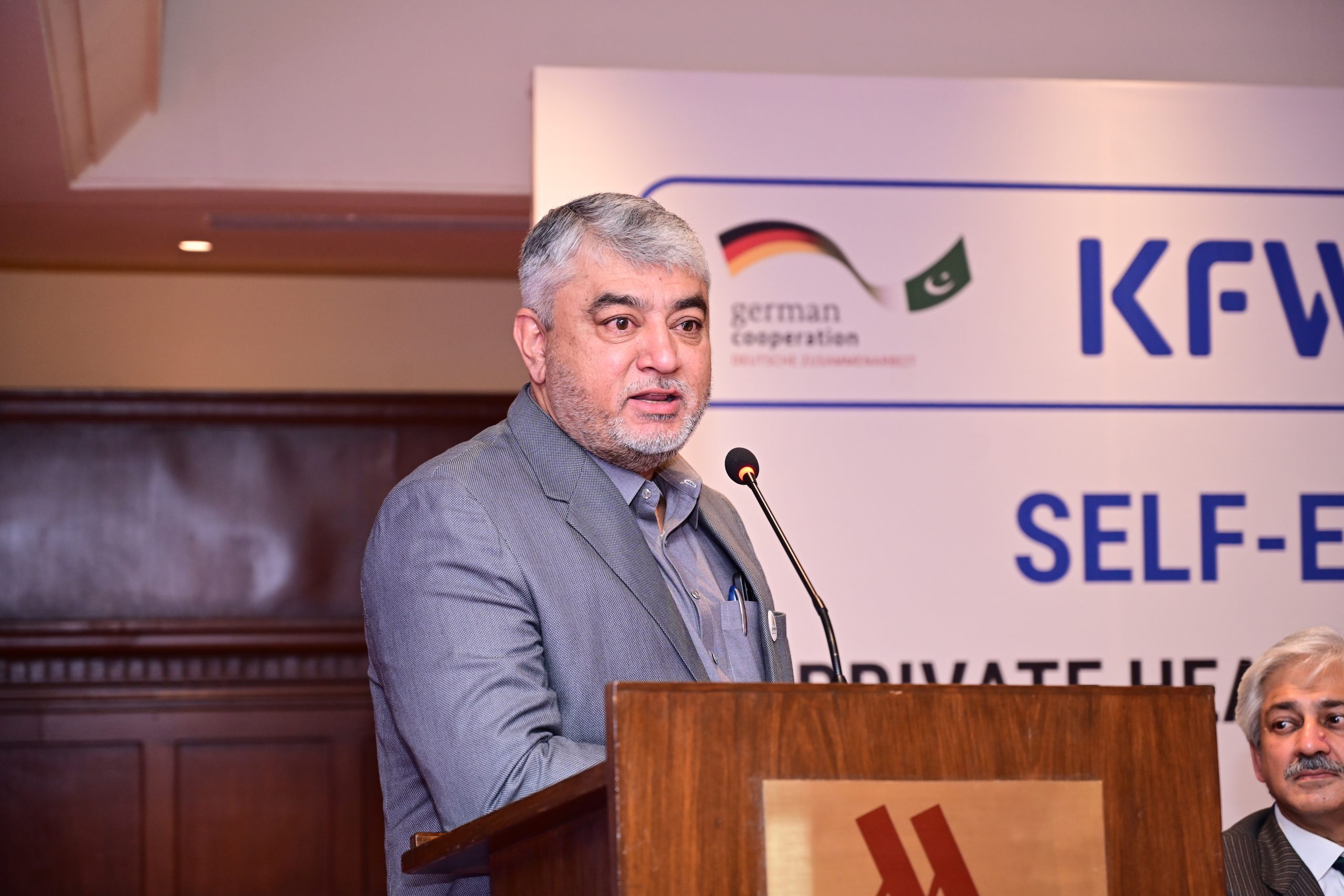
Dr. Ikram Ullah Khan
Project Director - Primary Healthcare Reforms Project Department of Health KP
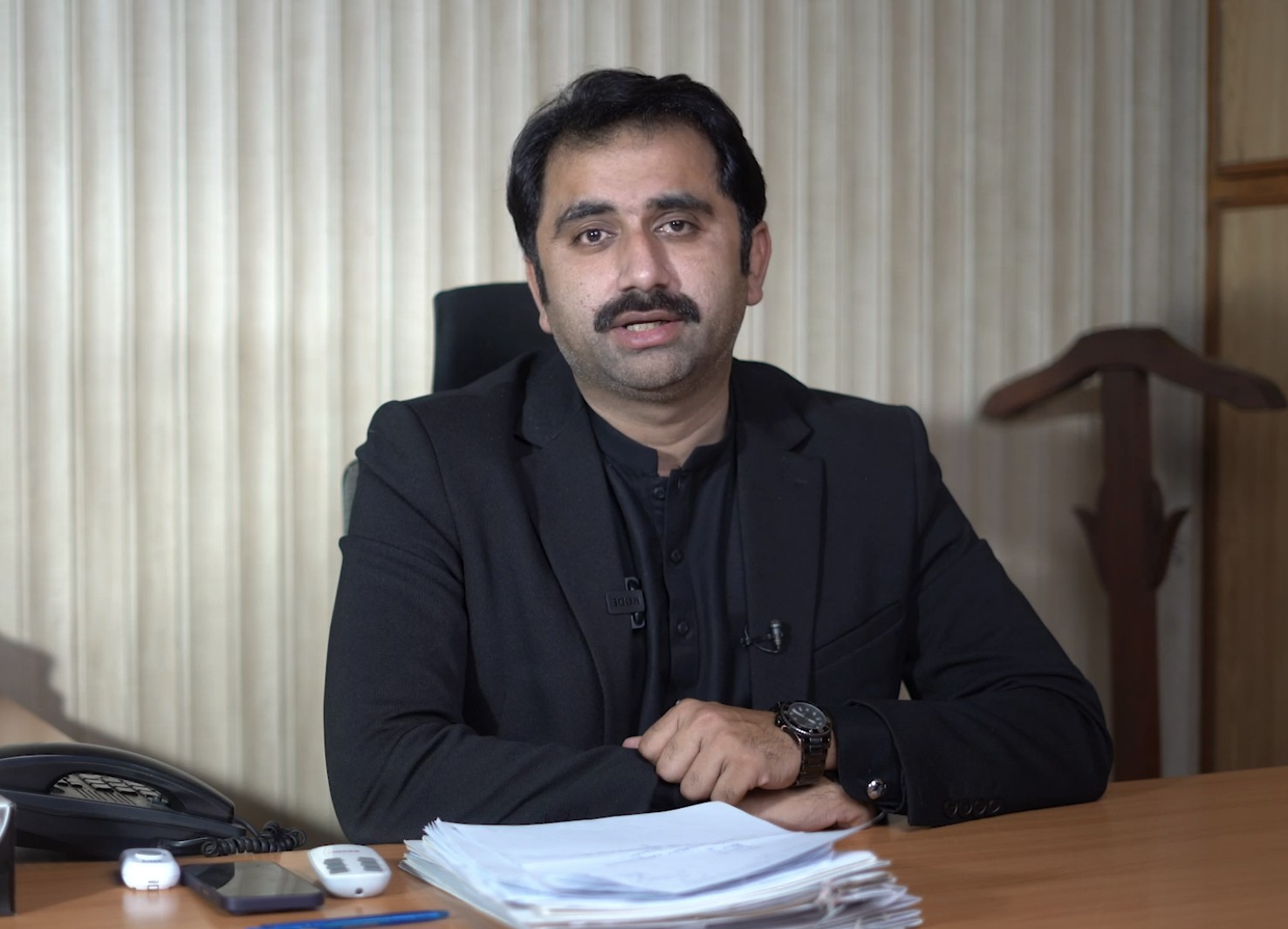
Dr. Zohaib Hasan
Additional Secretary Technical Health & Population Department, Punjab
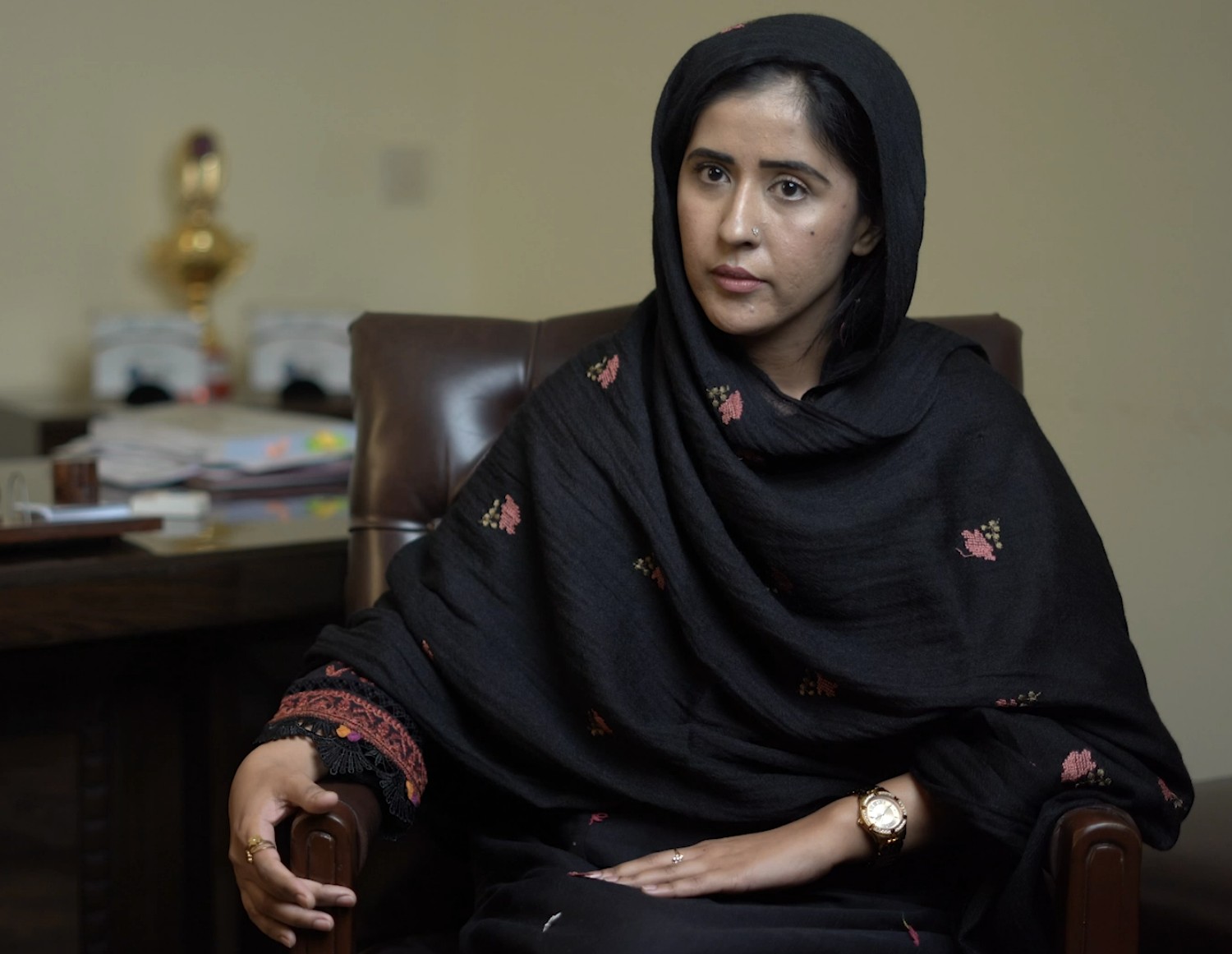
Dr. Beenish Malik
Deputy Director Primary Healthcare Reforms, Project Department of Health KP
Mr. Shahid Ullah Khan
Secretary Health, Khyber Pakhtunkhwa
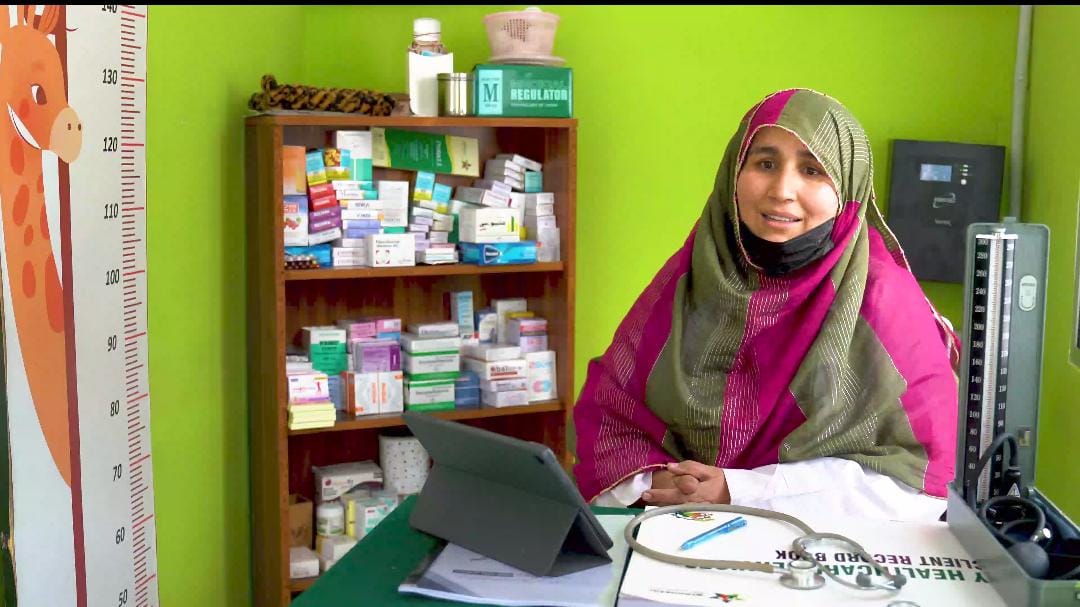
Ms. Shahana
Clinic Operator – SEW KP
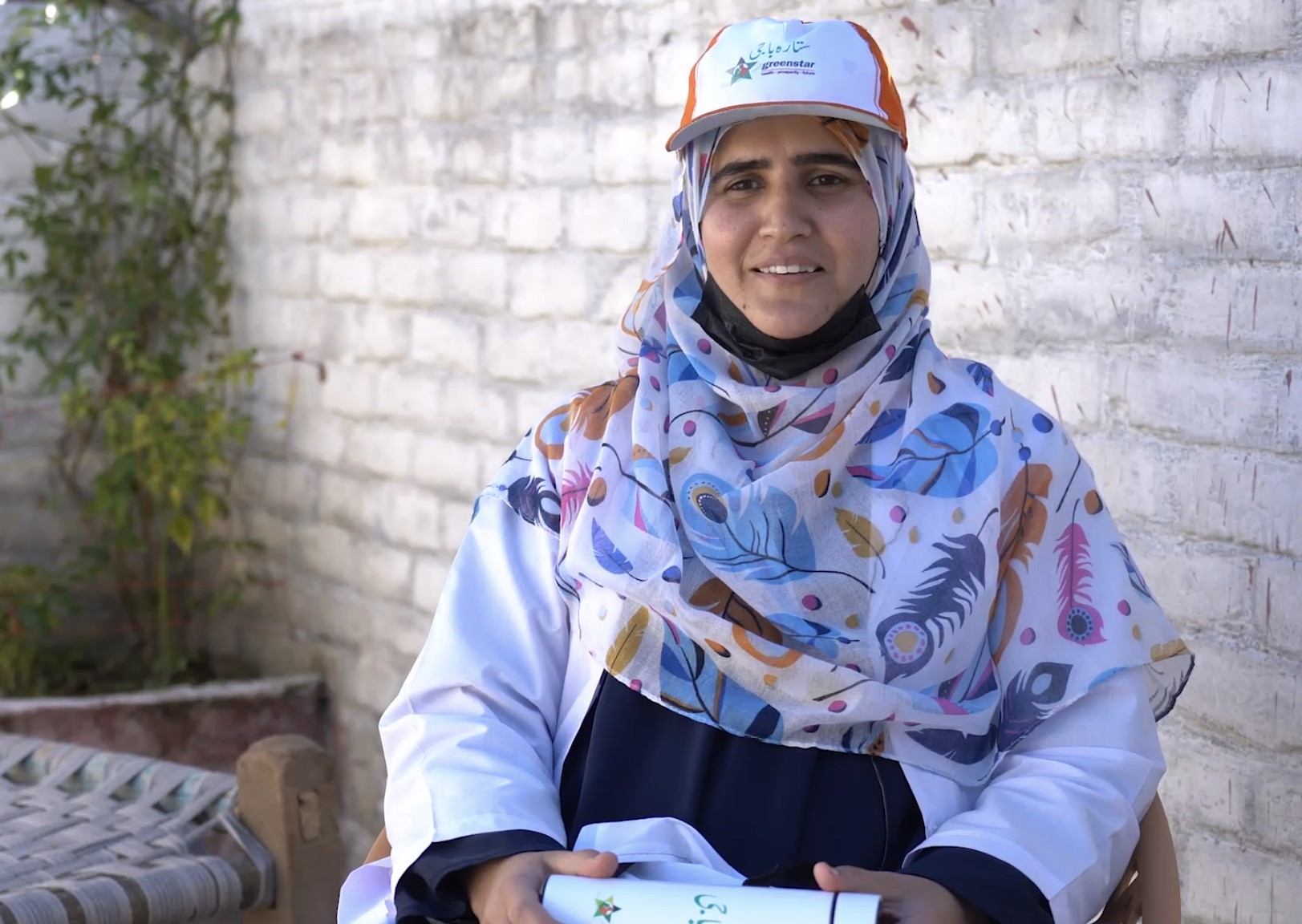
Ms. Shazma
Sitara Baji – SEW KP
Featured Program Stories
Women Empowerment and Access to Healthcare in Pakistan – A project by Greenstar and KfW
This documentary showcases how the project empowers women healthcare providers through sustainable livelihoods while expanding access to quality maternal and child health services. It highlights the impact of public–private collaboration in improving health outcomes across underserved communities.
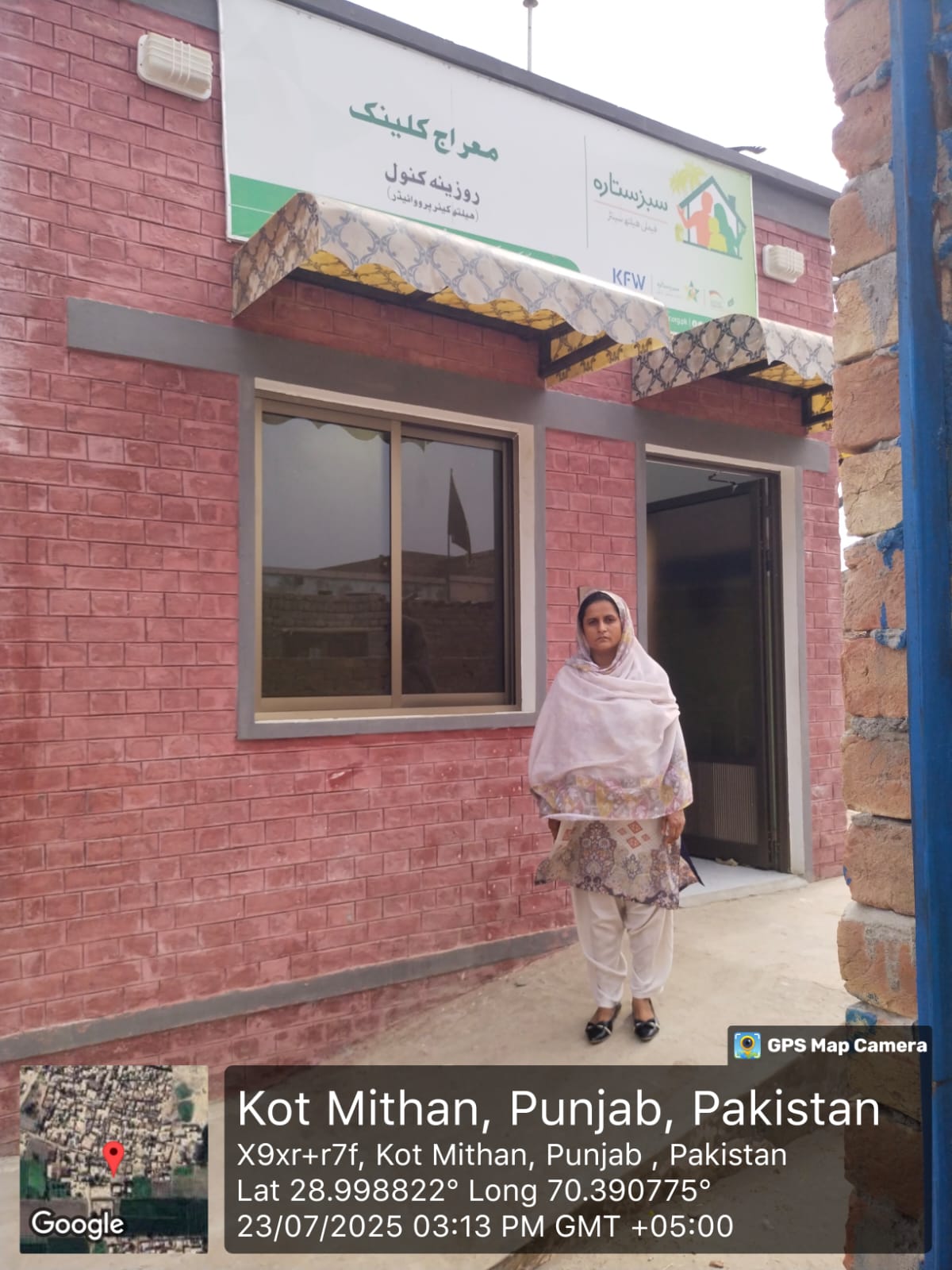
From Adversity to Empowerment: Rozina Kanwal's Journey to Building Hope in Rural Rajanpur
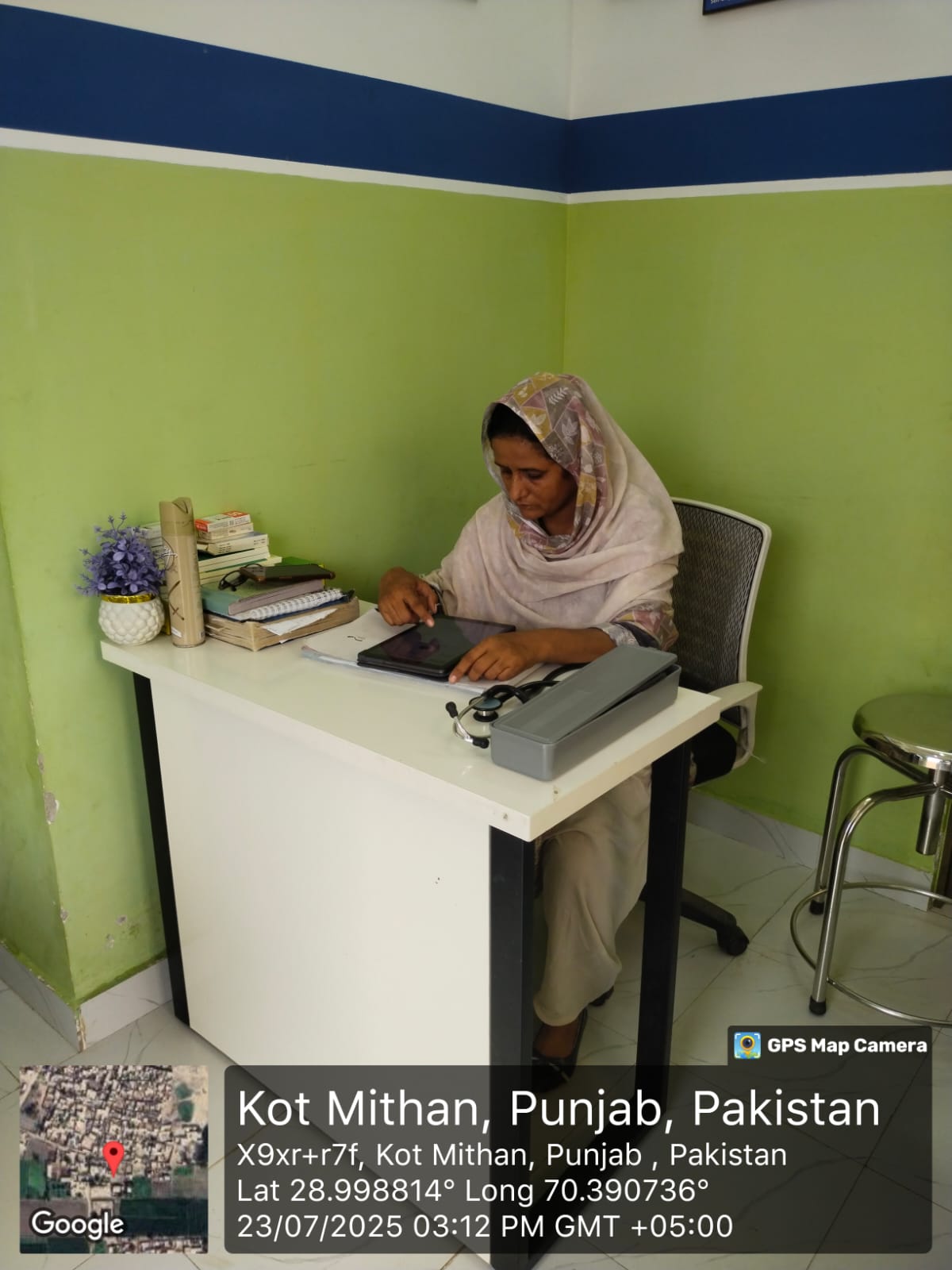
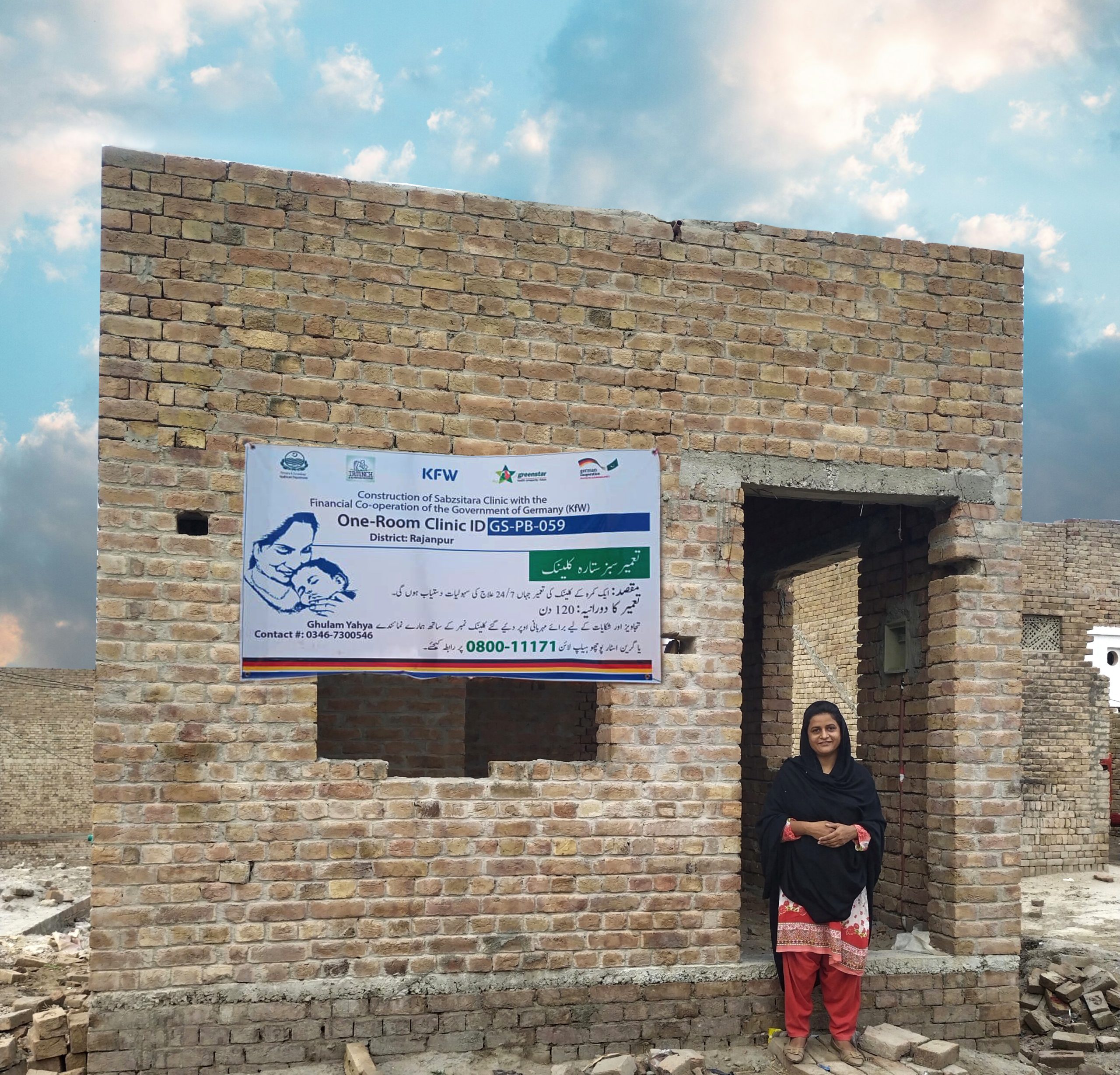
In the heart of Kot Mithan, a remote village in Tehsil Rajanpur, Southern Punjab, the story of Rozina Kanwal stands as a powerful testament to resilience, determination, and the life-changing impact of opportunity. In a region where underdeveloped infrastructure and deeply rooted gender inequalities often limit women's potential, Rozina's journey reflects what becomes possible when dreams are supported by the right interventions.
Born into a family plagued by poverty and health struggles, Rozina grew up witnessing her mother serve the community as a respected traditional birth attendant. Her mother's deepest wish was to see Rozina pursue formal training and become a qualified Lady Health Visitor (LHV), breaking generational barriers. Fueled by this dream, Rozina enrolled in government-run programs and successfully completed her LHV certification.
But life took a painful turn. Shortly after her graduation, Rozina lost her mother to cancer. At the same time, her brother, once a dedicated vaccinator, was diagnosed with a chronic liver disease. The burden of supporting the family fell solely on Rozina's shoulders.
Despite her qualifications, Rozina's employment options in Rajanpur were grim. She found temporary work at a private facility 10 kilometers away, earning only Rs. 300 (about USD 1) per day. Determined not to give up, she began offering basic maternal services in her village, but a lack of resources prevented her from delivering quality antenatal or postnatal care.
Rozina's story took a transformative turn when she met Muhammad Yahya, a District Field Officer from Greenstar Social Marketing. He introduced her to a groundbreaking initiative, supported by the German Development Bank (KfW), that aimed to empower unemployed, qualified LHVs like Rozina by equipping them with the tools, training, and infrastructure to run their own clinics.
With renewed hope, Rozina joined the program. She received intensive training in maternal, newborn, and child health (MNCH), business management, and service delivery. Today, her clinic is fully constructed and operational—equipped to provide essential healthcare services to women and children in her community.
Since opening her clinic, Rozina has been offering improved and reliable maternal and child health services, filling a critical gap in an area long deprived of quality care. Her vision continues to grow—she now dreams of expanding her clinic into the first-ever hospital in the region, ensuring that thousands of underserved families in Rajanpur have sustained access to lifesaving healthcare.
Rozina's story reflects how strategic investments in women's empowerment and health systems can create lasting impact in even the most marginalized regions.
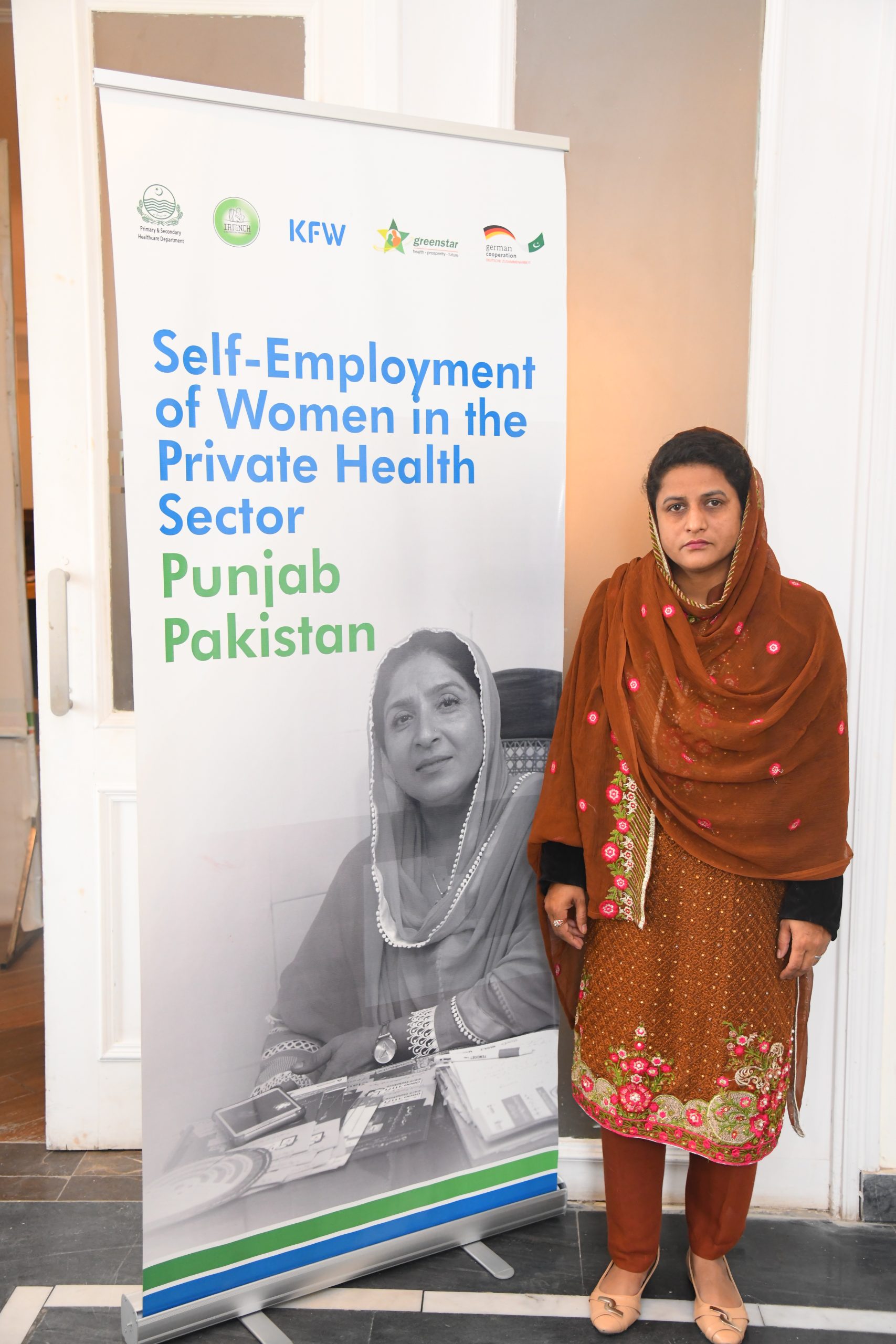
From Home to Hope: Shazma's Journey as a Sitara Baji
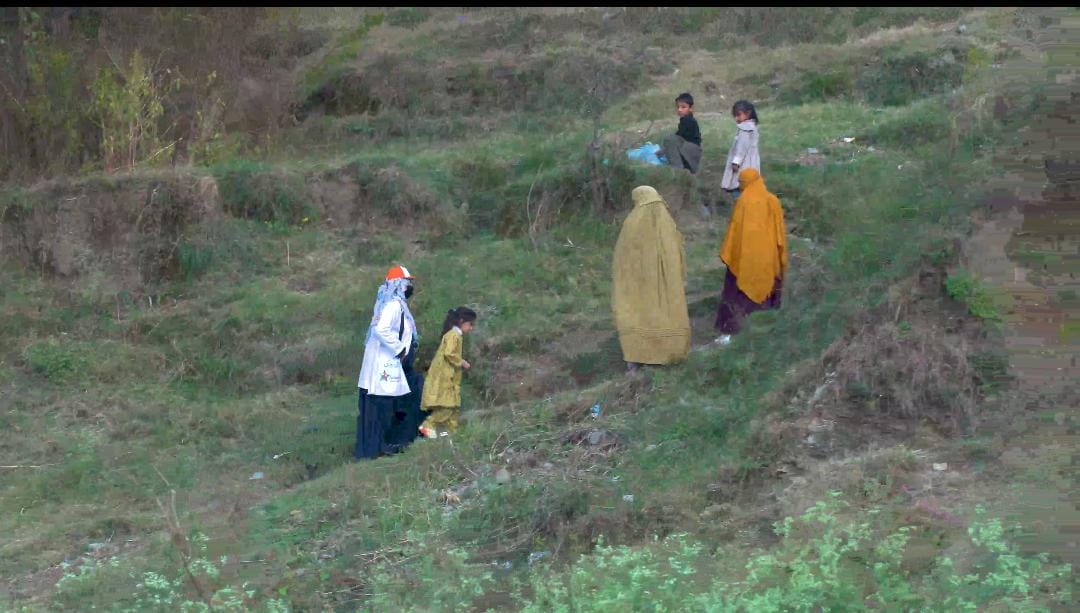
Shazma comes from village Chamtalay, District Swat, a quiet village surrounded by hills, where life often moves at a measured, unhurried pace. For most of her life, she had been like many other women here confined to her home, her voice unheard, and her dreams quietly tucked behind daily household responsibilities.
When she first heard that Greenstar Social Marketing was looking for women in the community to become sitara bajis and serve their local families, she was unsure what the role really meant. The idea of women stepping out of their homes to talk about health particularly mother and child health and family planning felt distant, even a little impossible. Yet something within her was stirred. She felt a desire to try and to experience something beyond her daily routine.
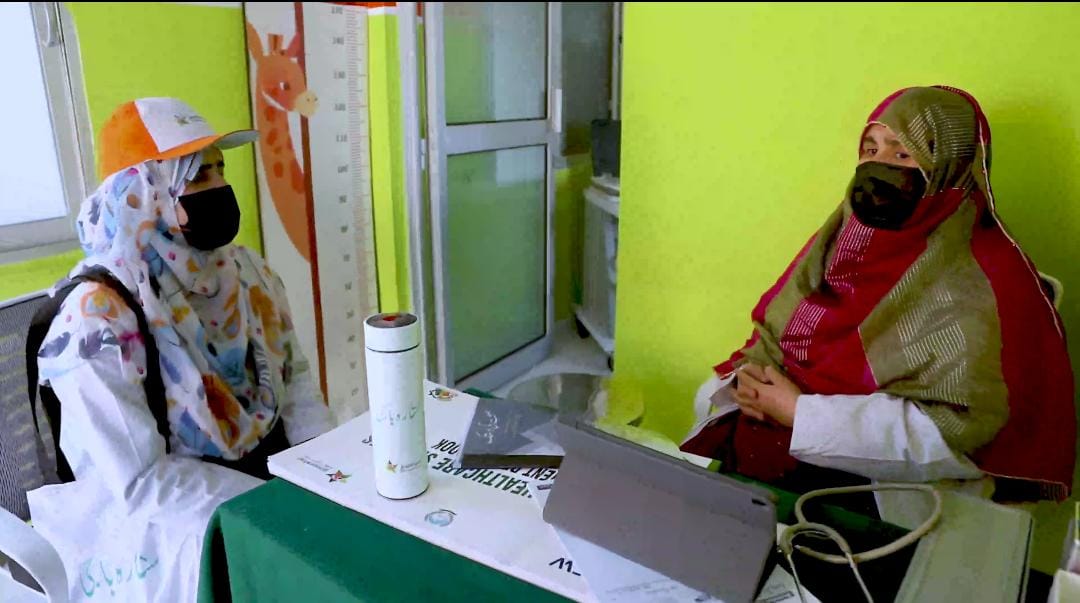
Gathering her courage Shazma approached the nearby Greenstar clinic, recently established for LHV Shahana Bibi, and shared her interest in the opportunity. Shahana Bibi encouraged her, recommended her name to Greenstar, and soon afterward, Shazma was selected.
The day she attended her first training marked the beginning of a major transformation. The Greenstar trainers did not only speak about family planning, but they also focused on women's empowerment, confidence, and self-worth. They taught communication skills, active listening, and most importantly, self-belief. For the first time in her life, Shazma felt recognized and valued. She was no longer just a housewife, she was a Sitara Baji, a woman with purpose and responsibility.
In the early days, she felt nervous. Speaking in front of even small groups of neighbours made her hands tremble. However, with each session she conducted, each household visit, and each encouraging word from her mentors, she gradually found her voice. People began recognizing her not only as someone's daughter or wife, but as Shazma - the Sitara Baji.
The change soon became visible at home as well. Her children proudly told others, "Our mother works with Greenstar." Her husband, who once believed community work was not suitable for women, began supporting her wholeheartedly. The respect and trust she earned within her community gave her something she had never experienced before, confidence and independence.
The Greenstar's Self Employment of Women in the Private Health Sector Project did more than provide training, it transformed her outlook on life. It gave her the courage to speak up, make decisions, and dream bigger. She learned to manage her time, save small amounts from her earnings as a Sitara Baji, and plan for her children's future. She came to understand that empowerment is not only about earning money, but also about earning dignity.
Today, when others look at Shazma, they see a confident and purposeful woman. The shy and hesitant person she once was is hardly recognizable. She now walks through her village with pride, knowing she is part of an initiative that uplifts women like her, giving them not just earning opportunities, but also a voice, an identity, and hope for the future.
Her journey as a Sitara Baji under Greenstar's women empowerment initiative has changed her life in every possible way and stands as a powerful example that when a woman believes in herself, nothing can hold her back.
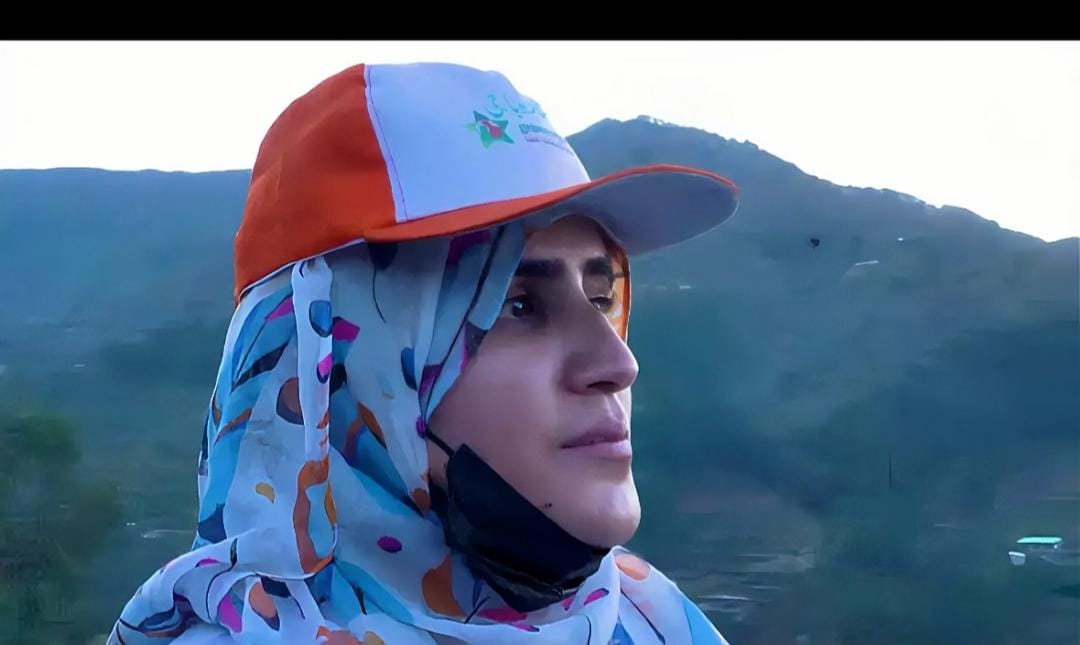
When Dream meets Opportunity: The Story of LHV Shahana Bibi
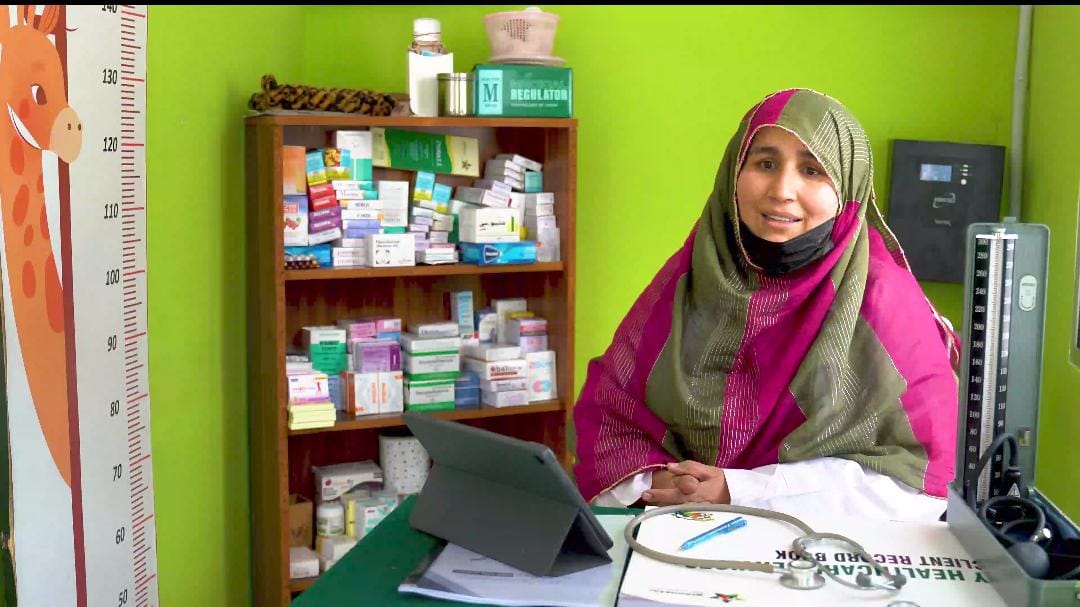
In the remote village of Chamtalay, nestled within the rugged hills of Union Council Jano, District Swat, lives a woman whose dream refused to die. Shahana Bibi, a 36-year-old Lady Health Visitor with a heart set on serving her people.
For years, the people of Chamtalay lived in the shadows of neglect, cut off from even the most basic healthcare. With no medical facility within a 10-kilometer radius, every illness felt like a battle against time. Mothers, children, and the elderly were often forced to embark on long, uncertain journeys in search of medical care, journeys that for some ended in heartbreak. Some even never reached the care they needed, their lives claimed not by disease alone, but by the absence of care.
Amid these challenges, Shahana Bibi carried a vision, a dream to have a small clinic where she could serve her community with care and compassion and end the community's long struggle for basic healthcare. She envisioned a place where no mother would lose sleep over a sick child, no woman would lose her life giving birth, and no elder would suffer in silence for want of medicine. Yet with limited financial means and no support system, her aspirations felt beyond reach.
Shahana Bibi's Quote
"Keeping in view my financial situation, I felt hopeless, convinced that my dream of serving my community would never come true."
Then came a moment that changed everything. Just when Shahana had begun to lose hope, Greenstar Social Marketing (GSM), with the generous support of KfW Germany, arrived in her village with an opportunity that seemed almost destined for her. They were searching for deserving women, qualified, passionate, and committed to serving their communities, yet held back by financial constraints.
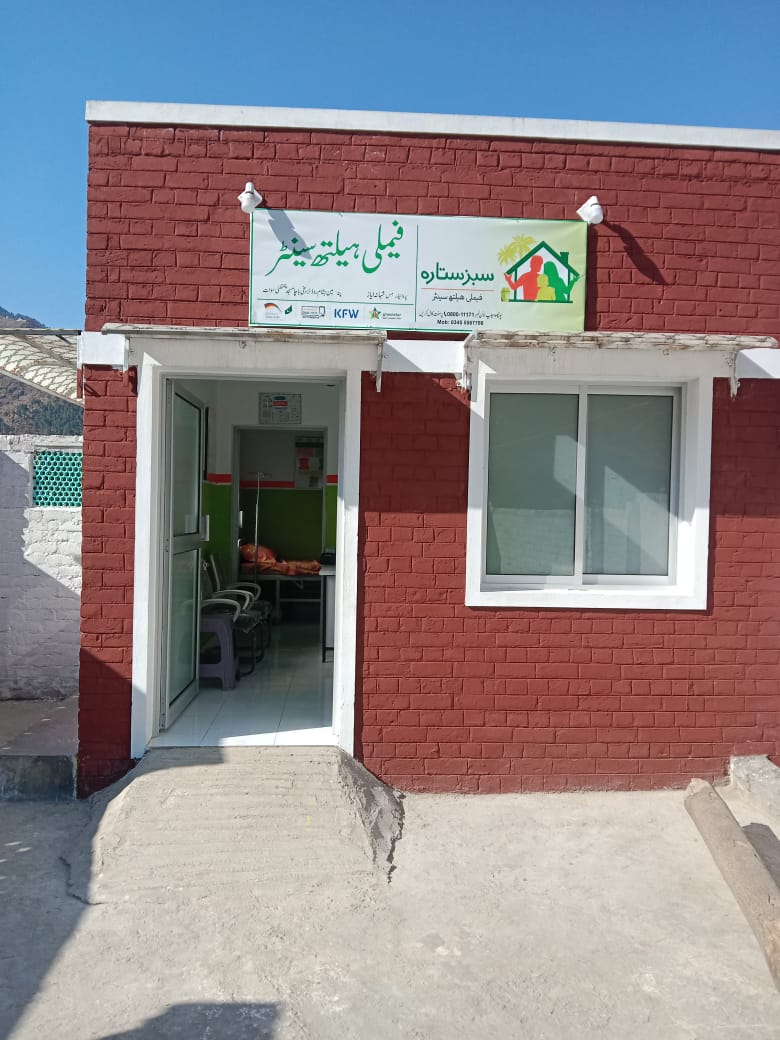
For Shahana, it felt as if someone had finally heard the silent prayers she had carried in her heart for years. GSM not only recognized her potential but turned that faith into reality by building a fully equipped clinic, providing the essential equipment and furniture to make it operational, and training her with the right knowledge and skills to serve with excellence.
What once was a distant dream now stood before her real, tangible, and alive a place where she could finally serve her people with pride and purpose.
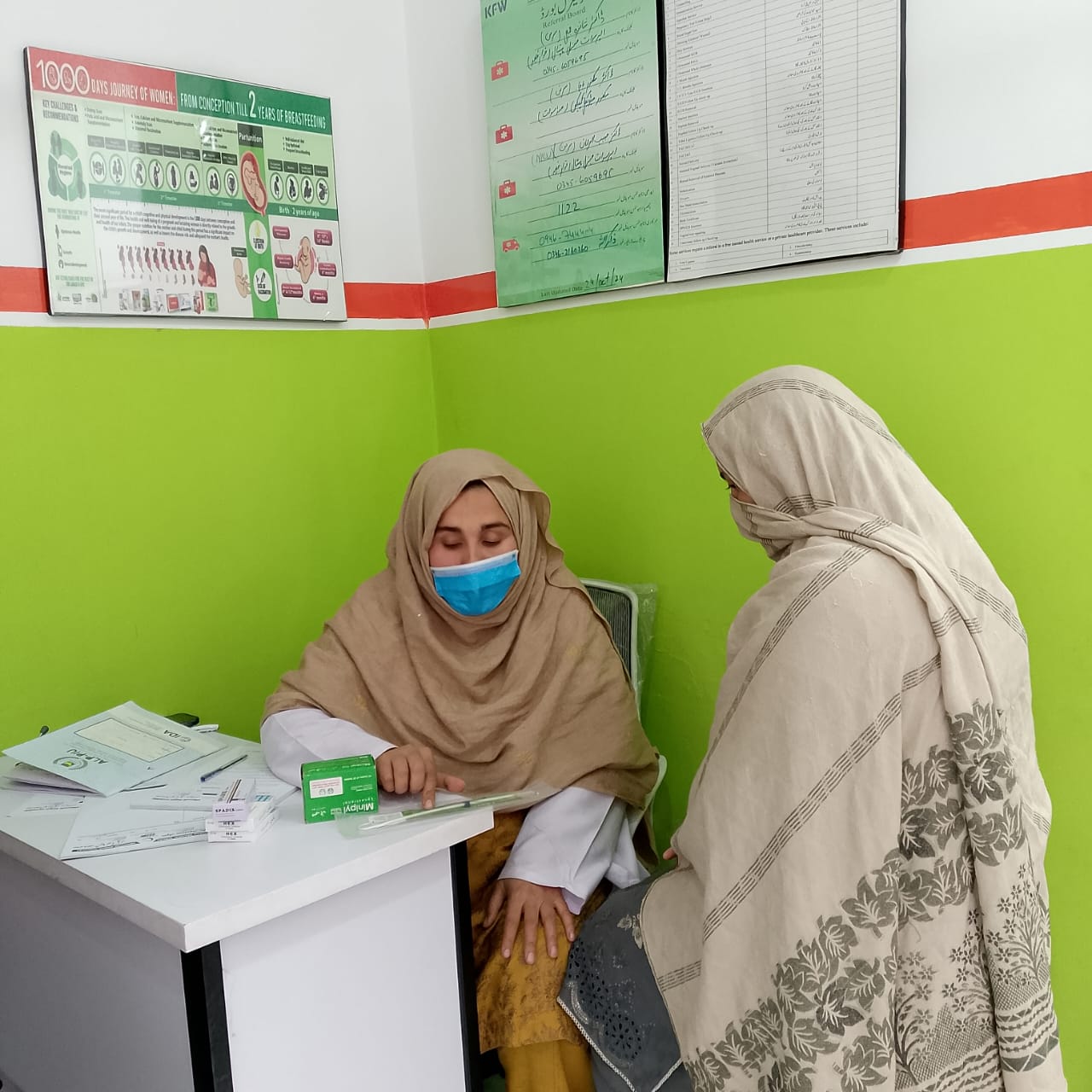
On January 5th, 2025, Shahana managed her first normal vaginal delivery, a hypertensive woman named Jamila, whose condition could have taken a tragic turn. But thanks to Shahana's skill and composure, both mother and child survived and thrived.
That single delivery was more than just a medical success, it was a symbol of hope for the 13,000 people who now rely on this clinic. Today, the people of Chamtalay no longer have to travel miles in distress. They have a healer among them, one of their own.
Shahana Bibi's Quote
"It's like living my dreams. I couldn't feel happier and more accomplished than I do now. I am deeply grateful to Greenstar for believing in my potential and giving me this opportunity to serve my community."
Shahana Bibi's journey stands as a powerful testament to the impact of empowerment, compassion, and opportunity. Through Greenstar's visionary support, her once-distant dream has become a living reality, the one that continues to transform lives.
EVENTS, PHOTOS & VIDEOS
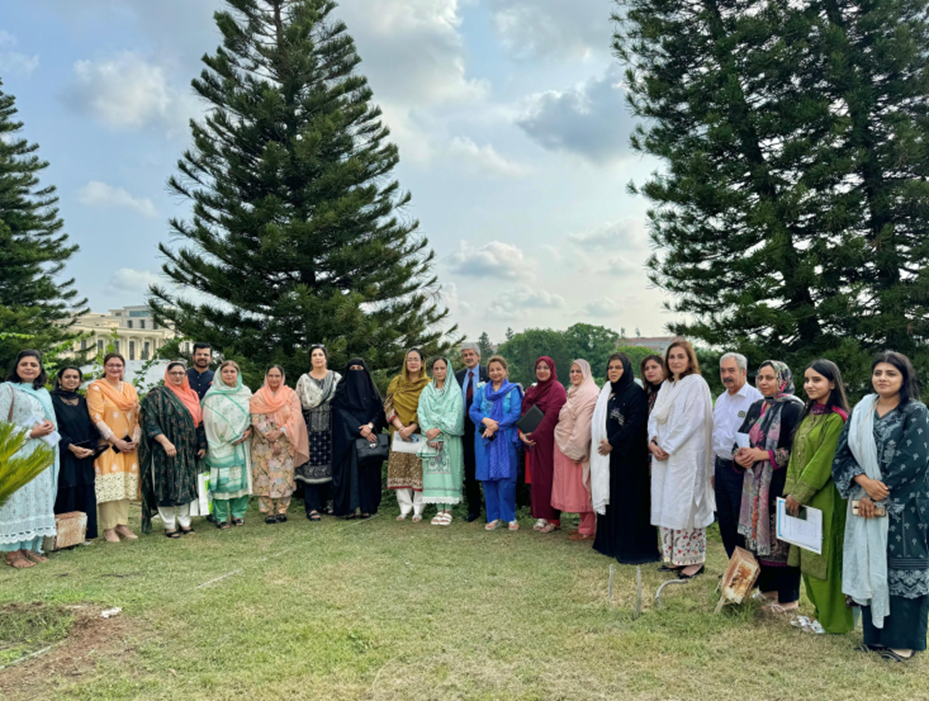
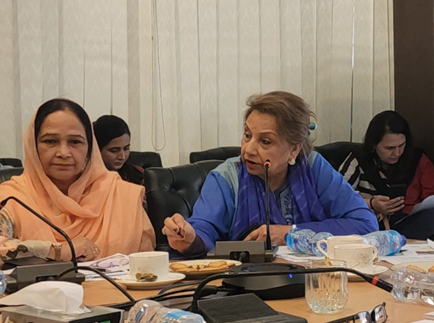
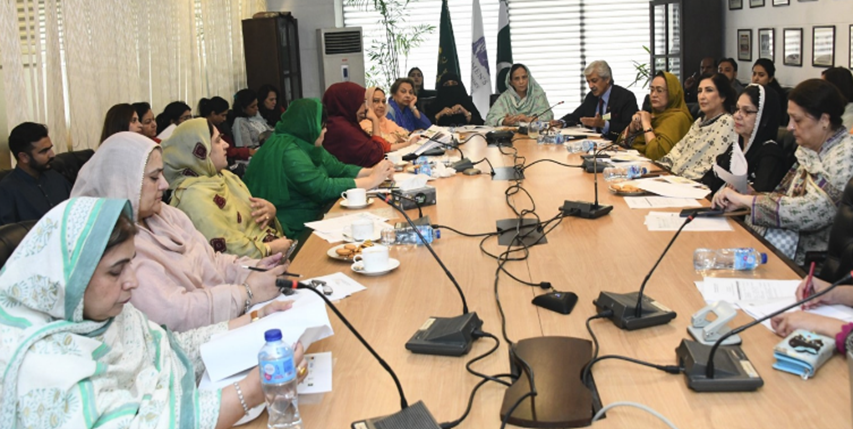
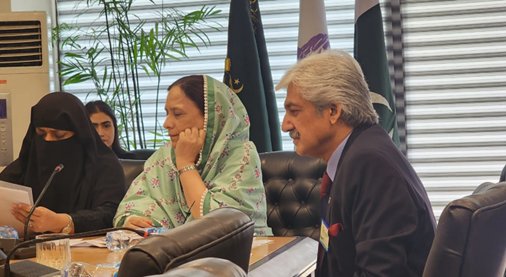
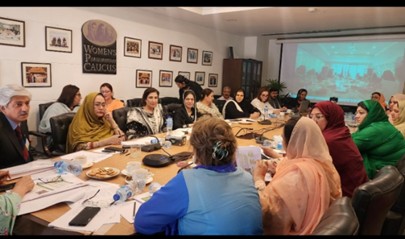
Advocacy Meeting: Strengthening Women’s Empowerment and Health through the Women’s Parliamentary Caucus
Date: 8 August 2024
Location: Islamabad
Purpose: Greenstar Social Marketing, with support from KfW, convened women parliamentarians to discuss women’s empowerment, maternal and child health, and family planning. The meeting focused on policy reforms, raising awareness, and fostering inclusive engagement to advance women’s rights and health outcomes across Pakistan.
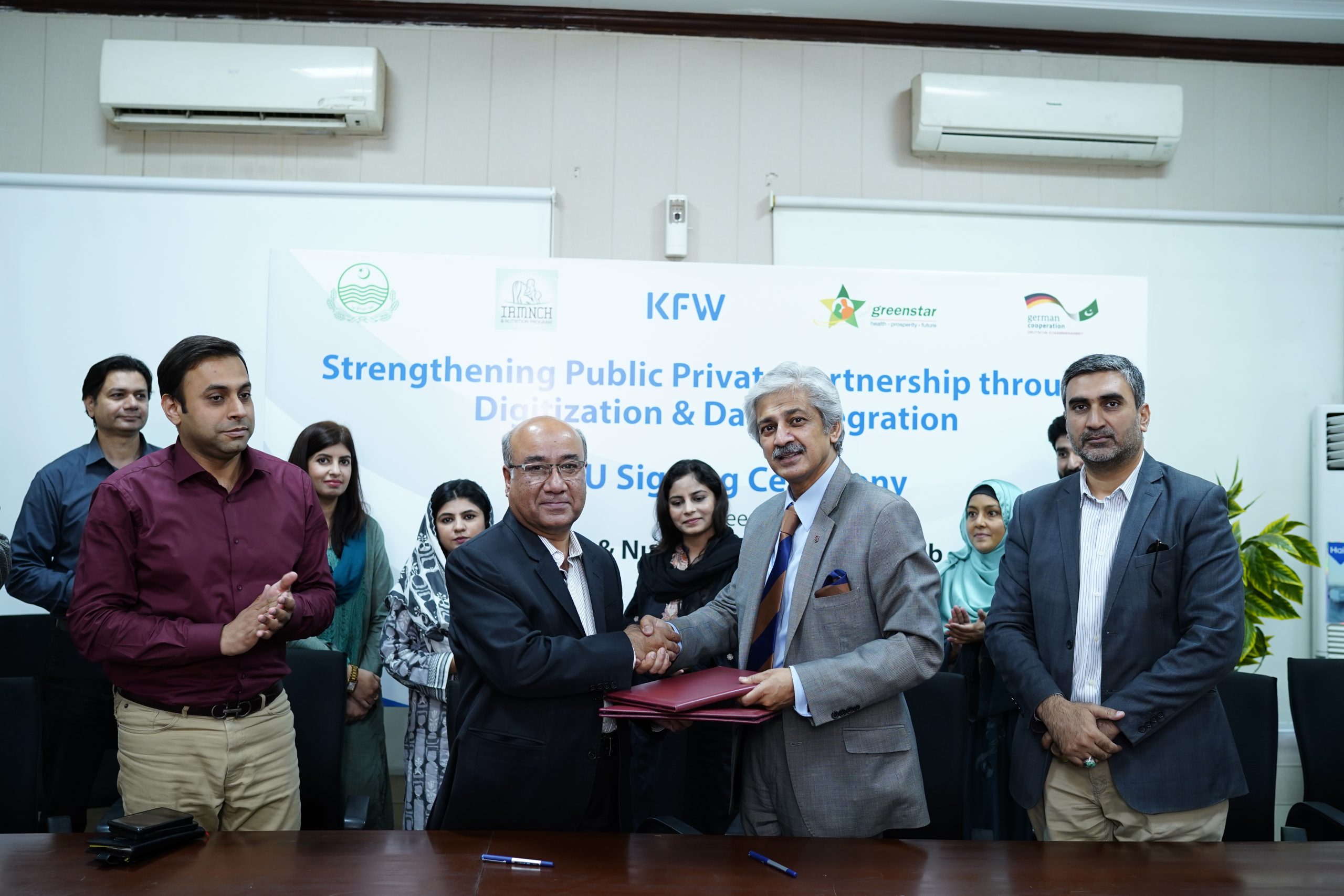
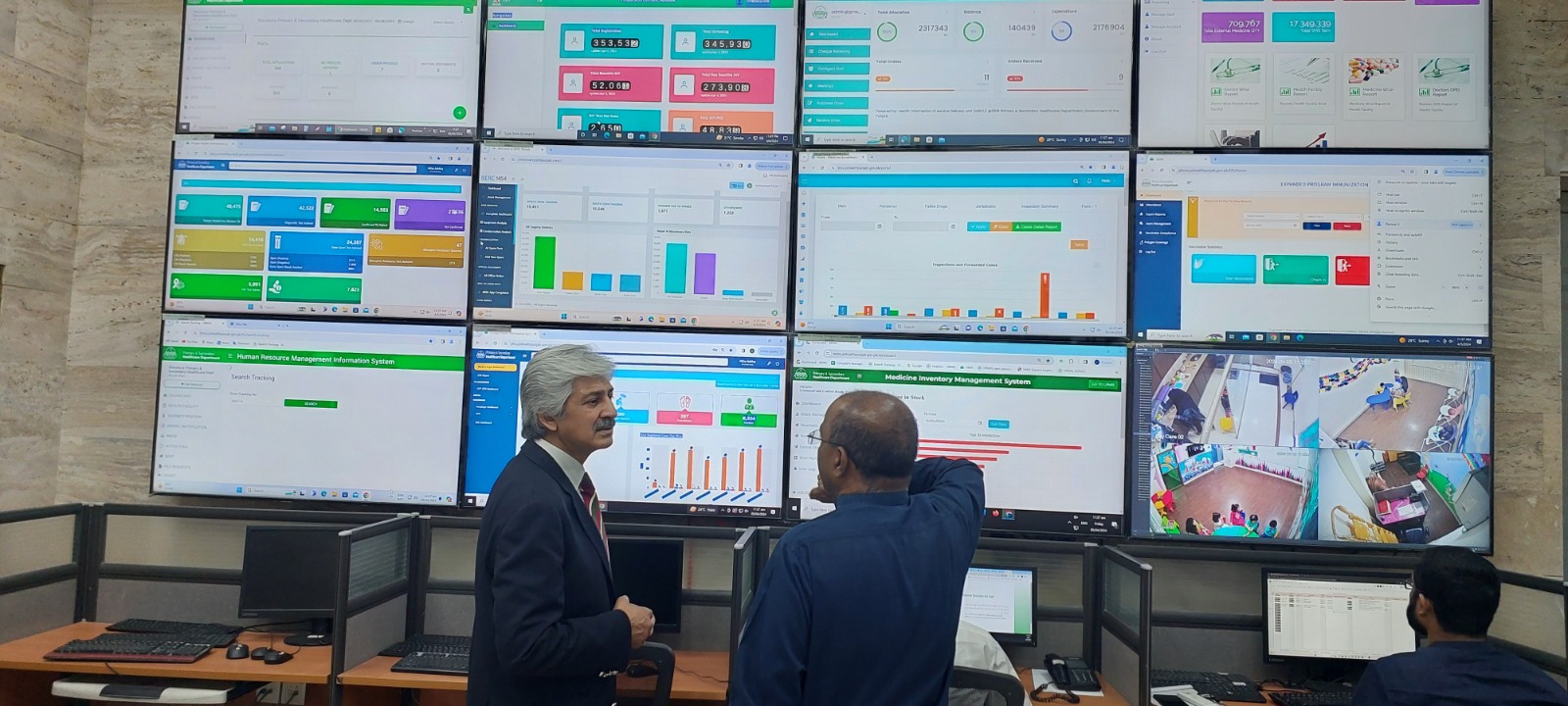
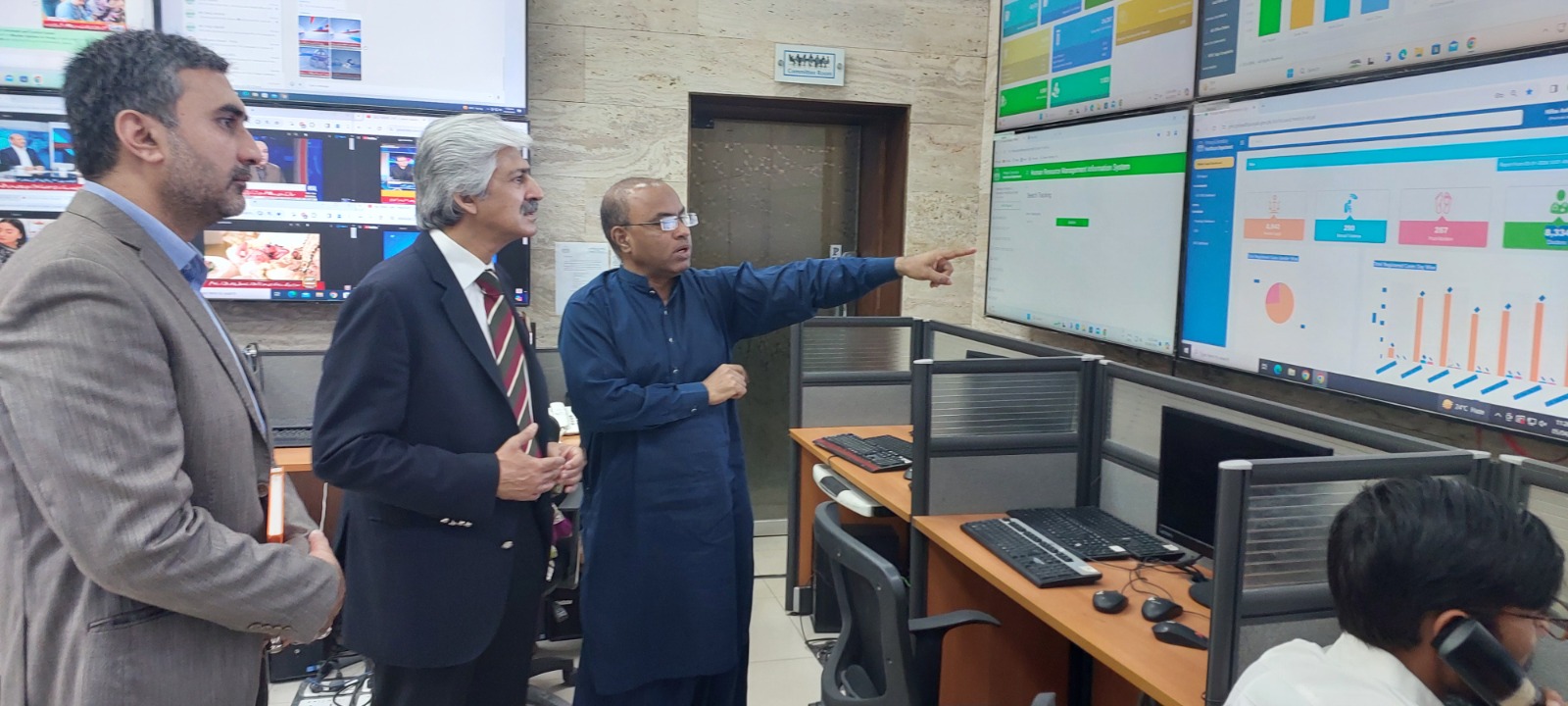
Landmark MoU Signing – Greenstar Becomes First Private Sector Organization to Integrate Sabz Sitara Clinics Data into Punjab Government EMR System
Date: 4 April 2024
Location:Lahore
Purpose: Greenstar Social Marketing, the first private sector organization in Pakistan to achieve this, signed an MoU with the Punjab Government’s IRMNCH and HISDU to integrate SEW clinic data into the provincial EMR system. This historic collaboration enables real-time digital reporting of maternal, child, and family health services, bridging public and private health data for improved decision-making and health outcomes.
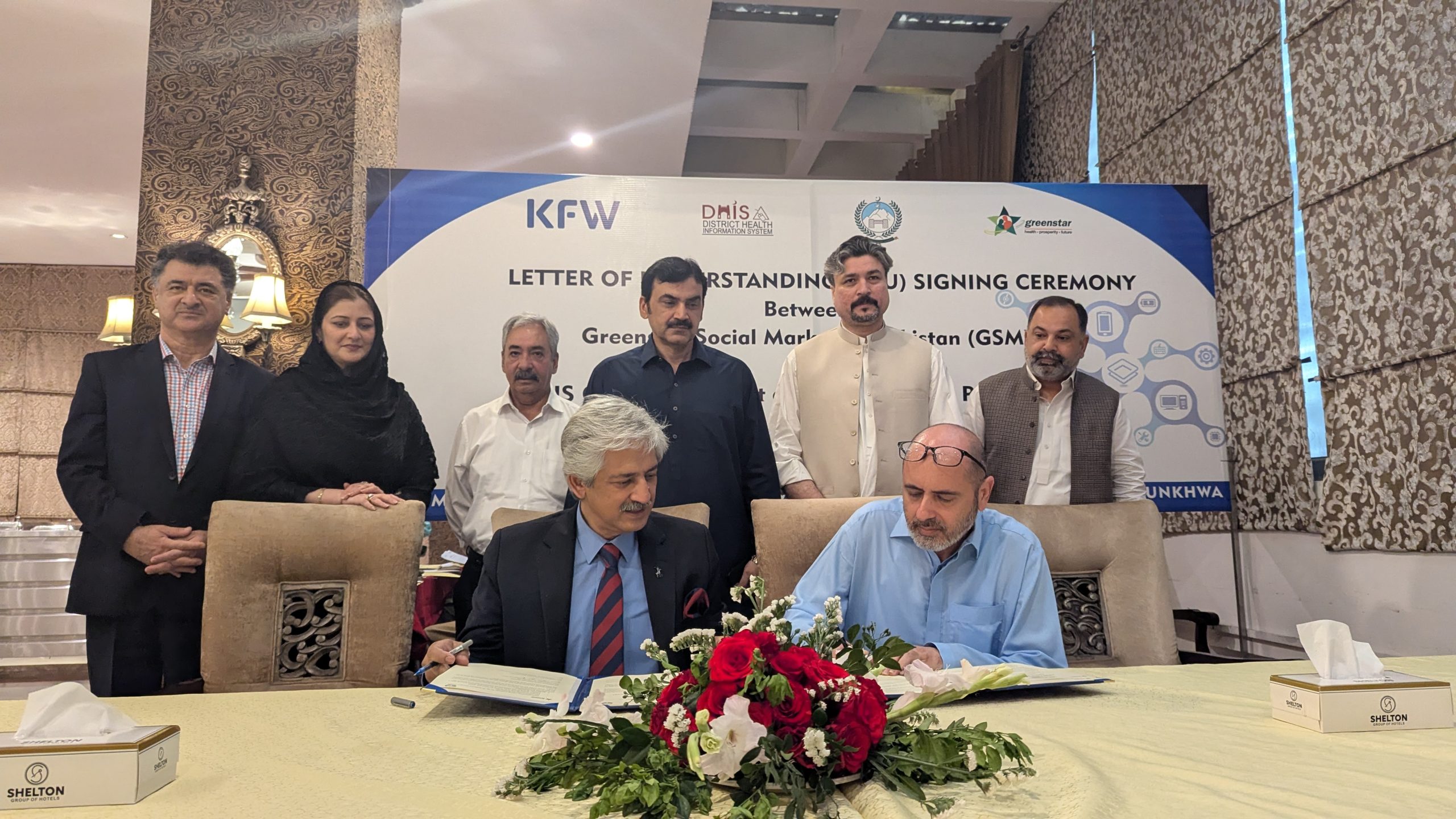
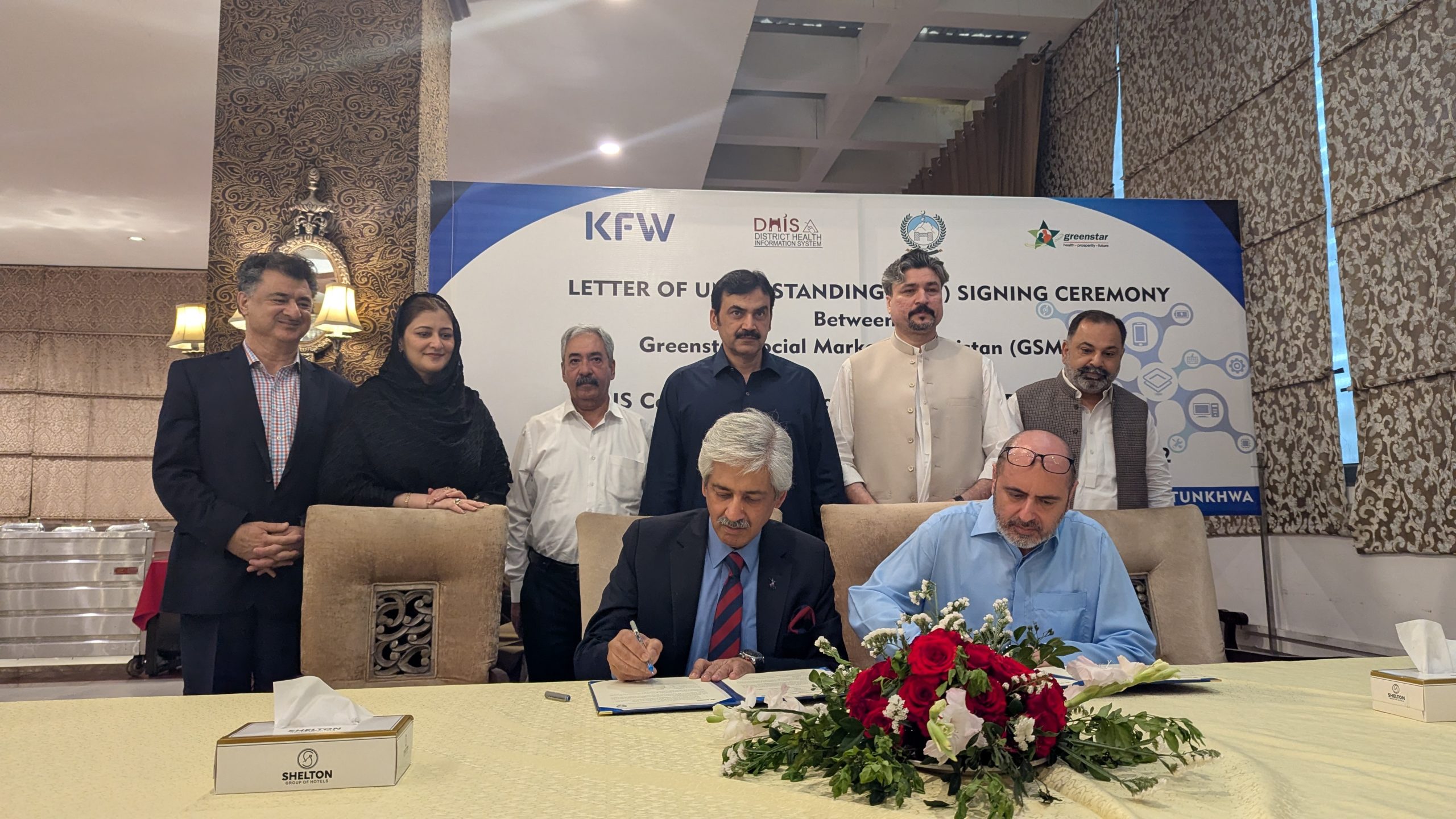
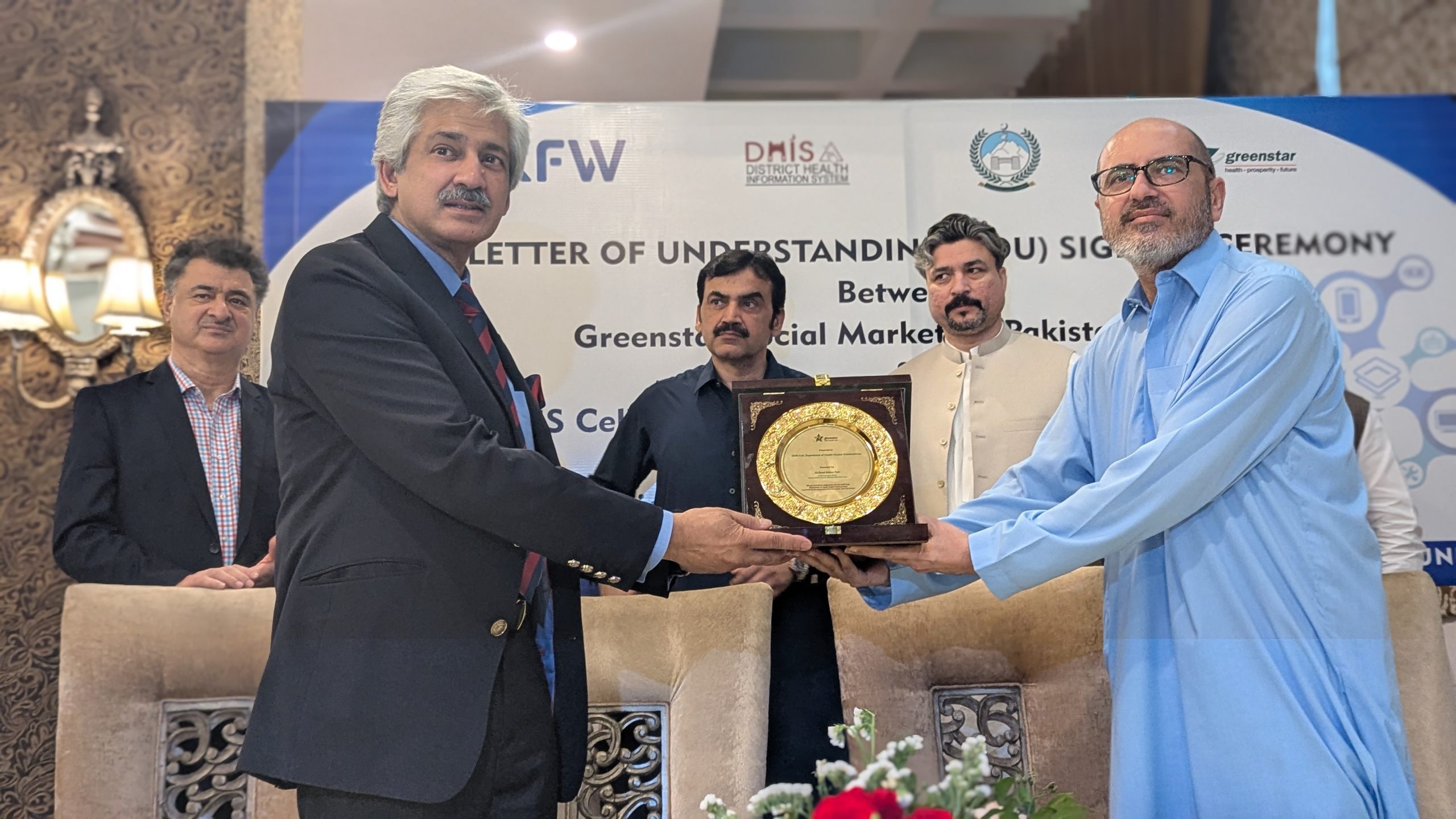
Project Milestone – Integration of Greenstar’s SEW Project Private Sector Health Data into KP Health Department DHIS 2 System
Date: 8 April 2025
Location:Peshawar
Purpose: As a key achievement of the SEW-KP project, Greenstar Social Marketing, supported by KfW, signed an MoU with DHIS Cell KP to integrate service data from 70 SEW providers into DHIS2. This landmark initiative enabled real-time digital reporting, hands-on training for providers, and marked the first inclusion of private sector health data into the provincial government system.
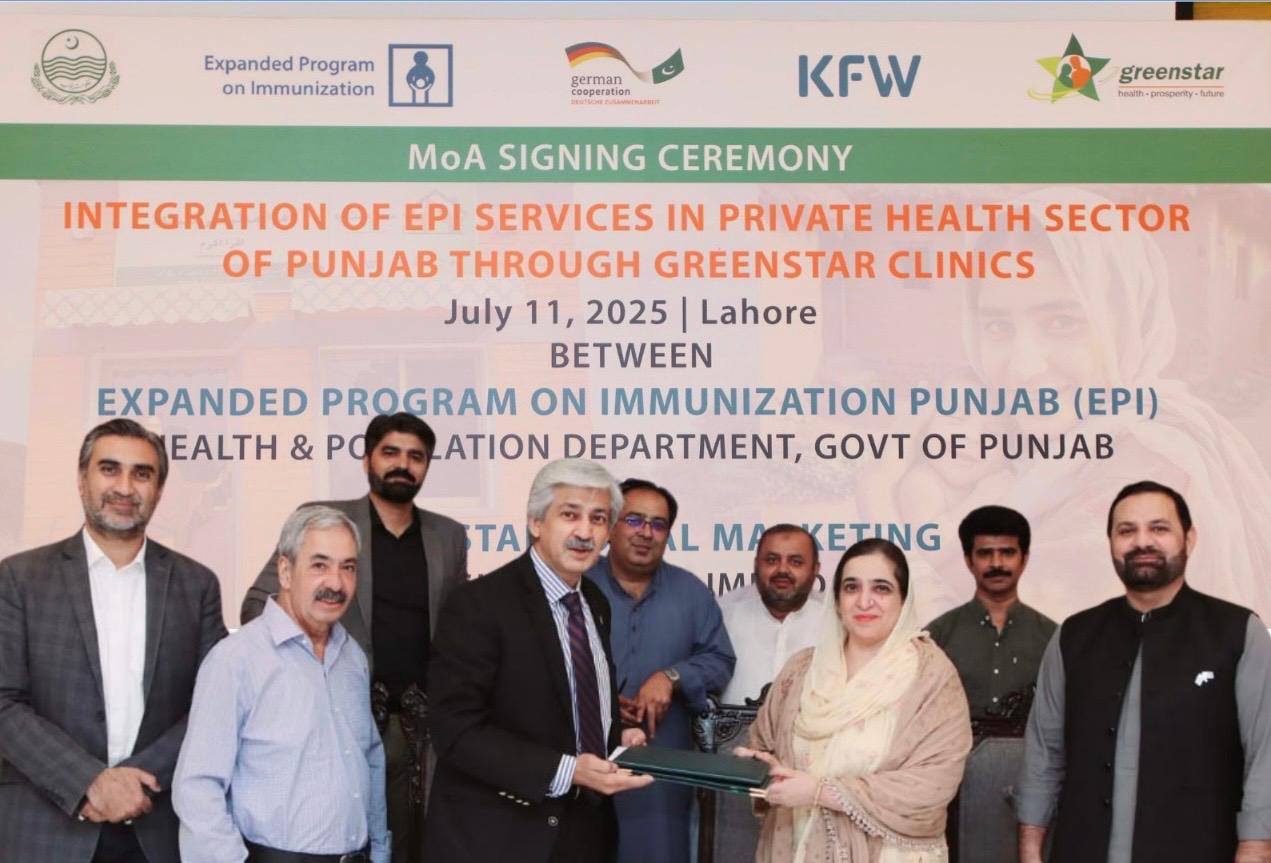
Greenstar Partnership with Expanded Immunization in Punjab
Date: 1 July 2025
Location:Lahore
Purpose: Greenstar Social Marketing has signed an MoU with the Expanded Program on Immunization (EPI) in Punjab. Through this partnership, Greenstar’s clinics, established under the Self-Employment of Women (SEW) project—will serve as vital hubs to expand immunization coverage, bringing essential vaccines closer to children and communities. This initiative reflects Greenstar’s commitment to strengthening community health through accessible and impactful service delivery.
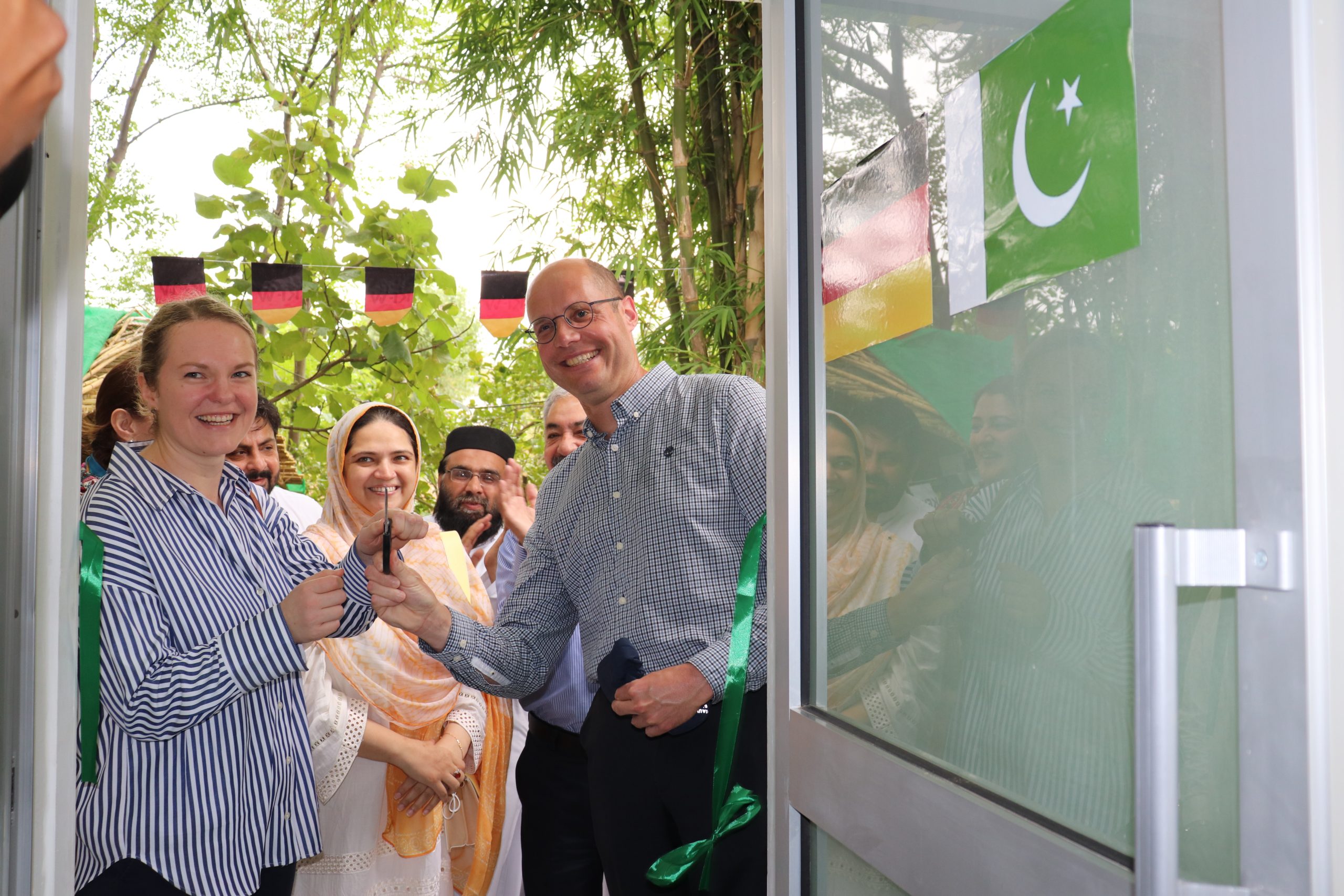
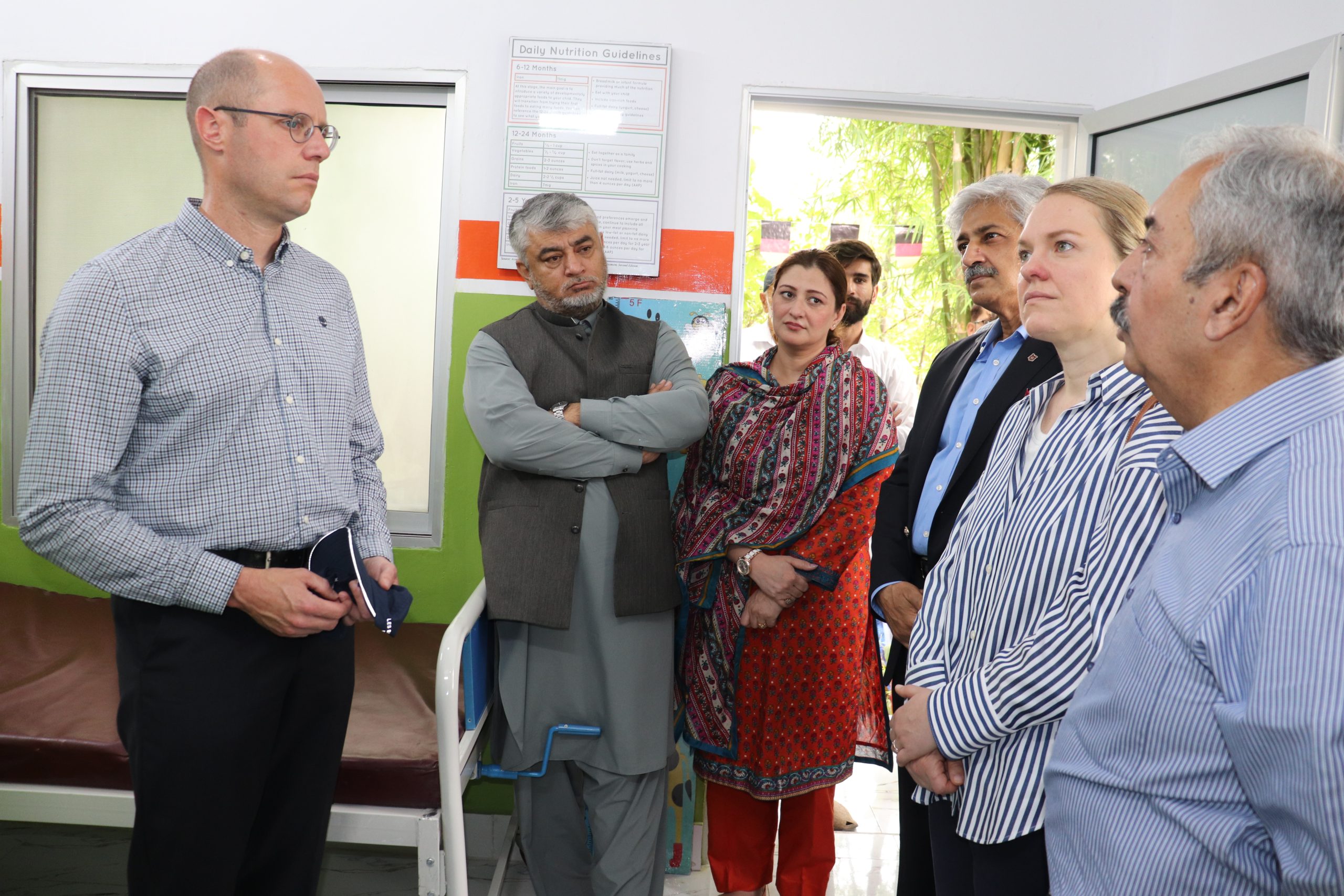
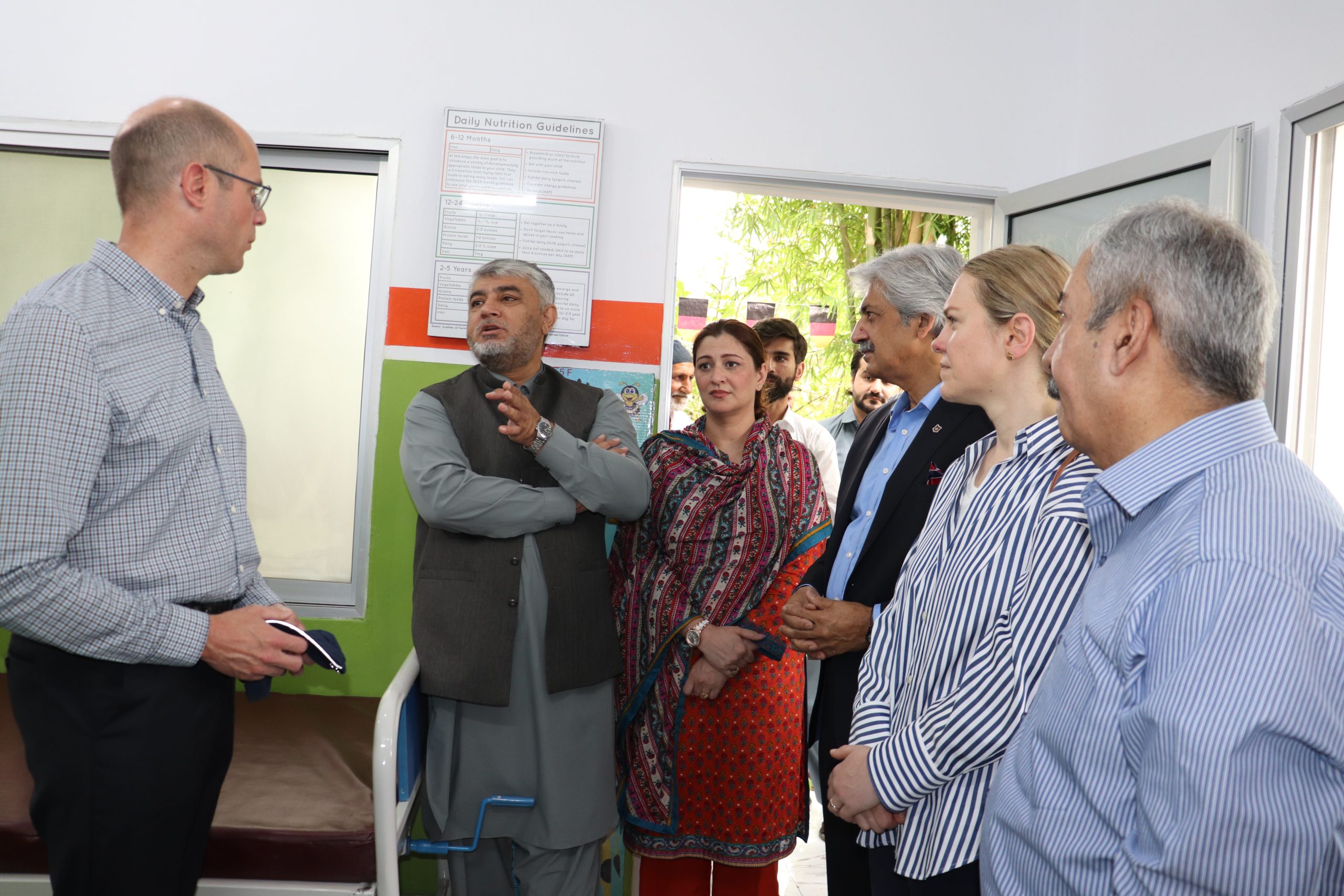
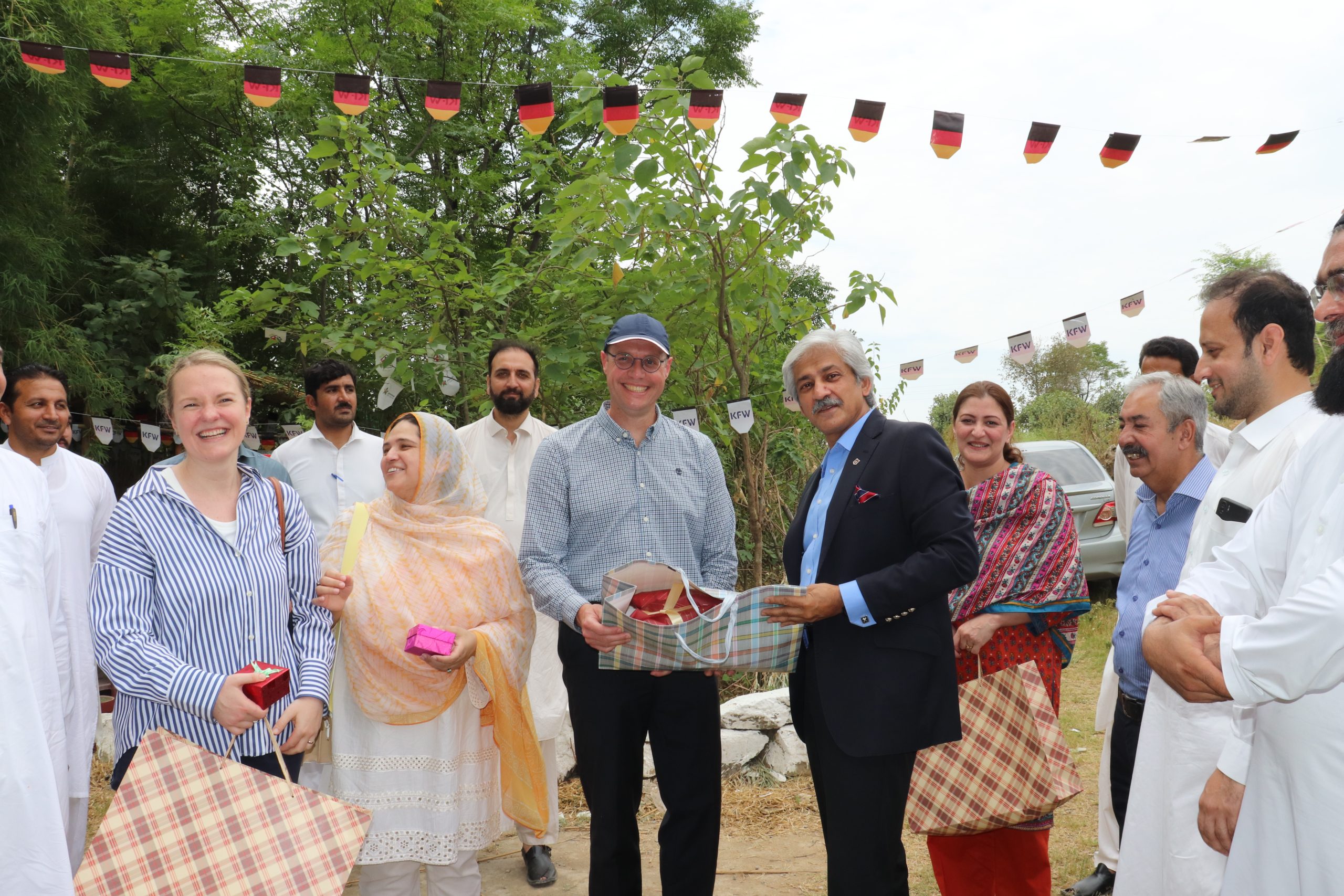
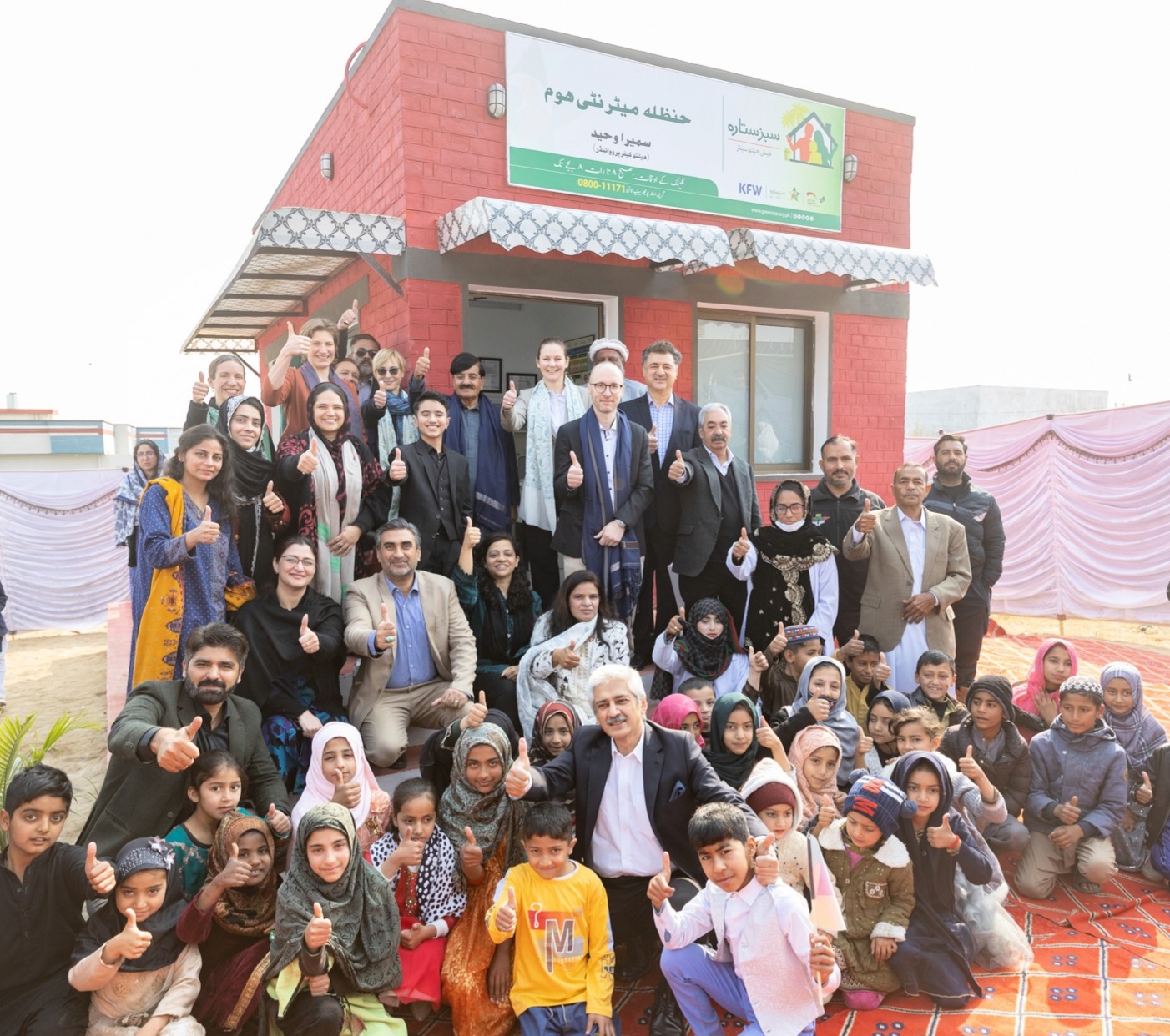
Greenstar & KfW Inaugurate First SEW Clinic in KPK
Date: 29 June 2025
Location:Haripur, KPK
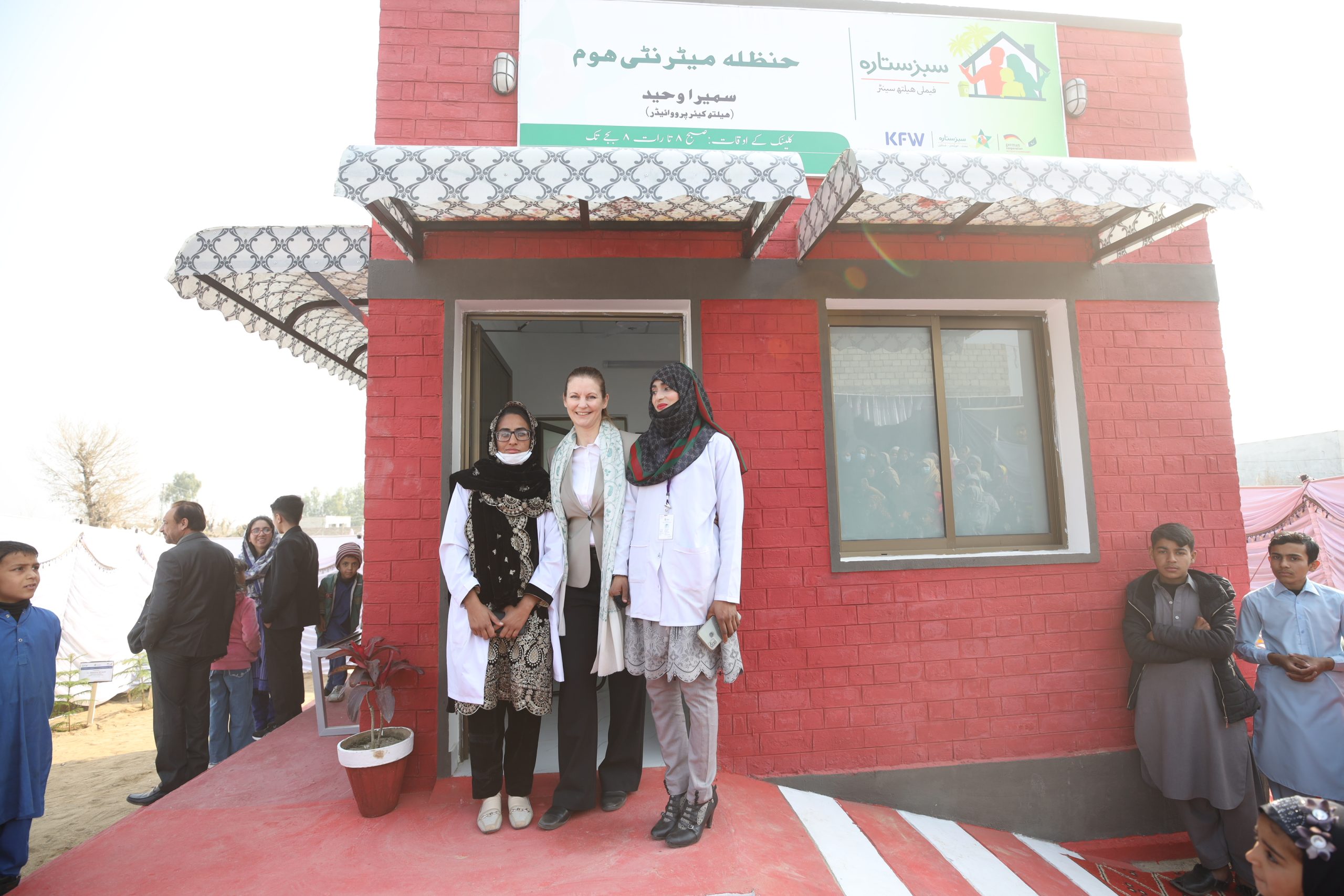
Purpose: Greenstar Social Marketing, in partnership with KfW, inaugurated its first Self-Employment of Women (SEW) clinic in Ladha, Haripur, KPK, marking the start of a 200-clinic initiative across Pakistan. Serving 600 households, the clinic provides primary healthcare and empowers providers through social entrepreneurship training. The inauguration was attended by KfW leaders Mr. Patric Rudolf, Ms. Anna Brezenki, Dr. Masuma Zaidi, local health authorities, and community members, showcasing strong collaboration to improve healthcare access and outcomes.
Clinic Inauguration in Attock by German Federal Ministry – BMZ
Date: 5th February 2025
Location:Attock, Punjab
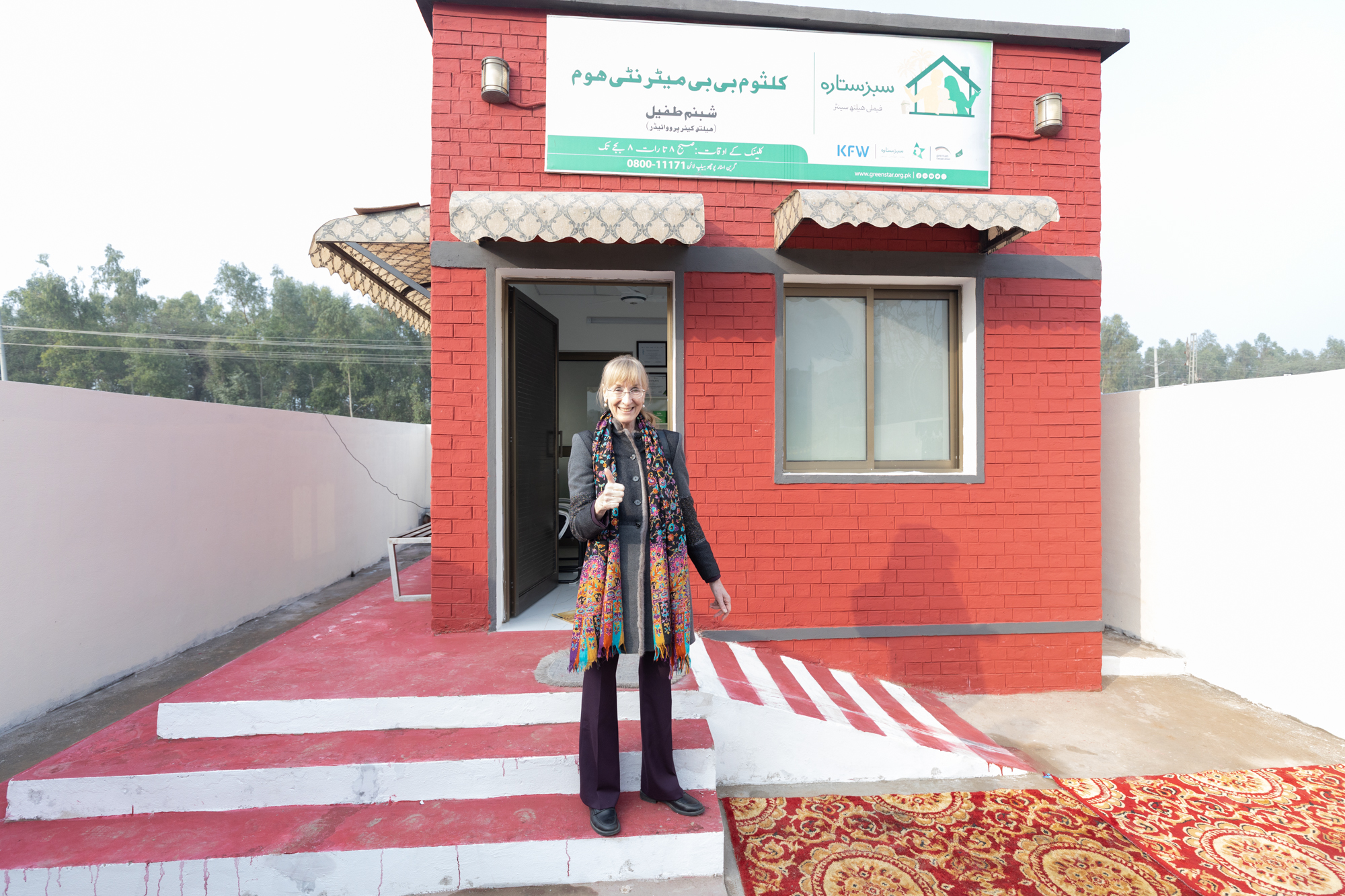
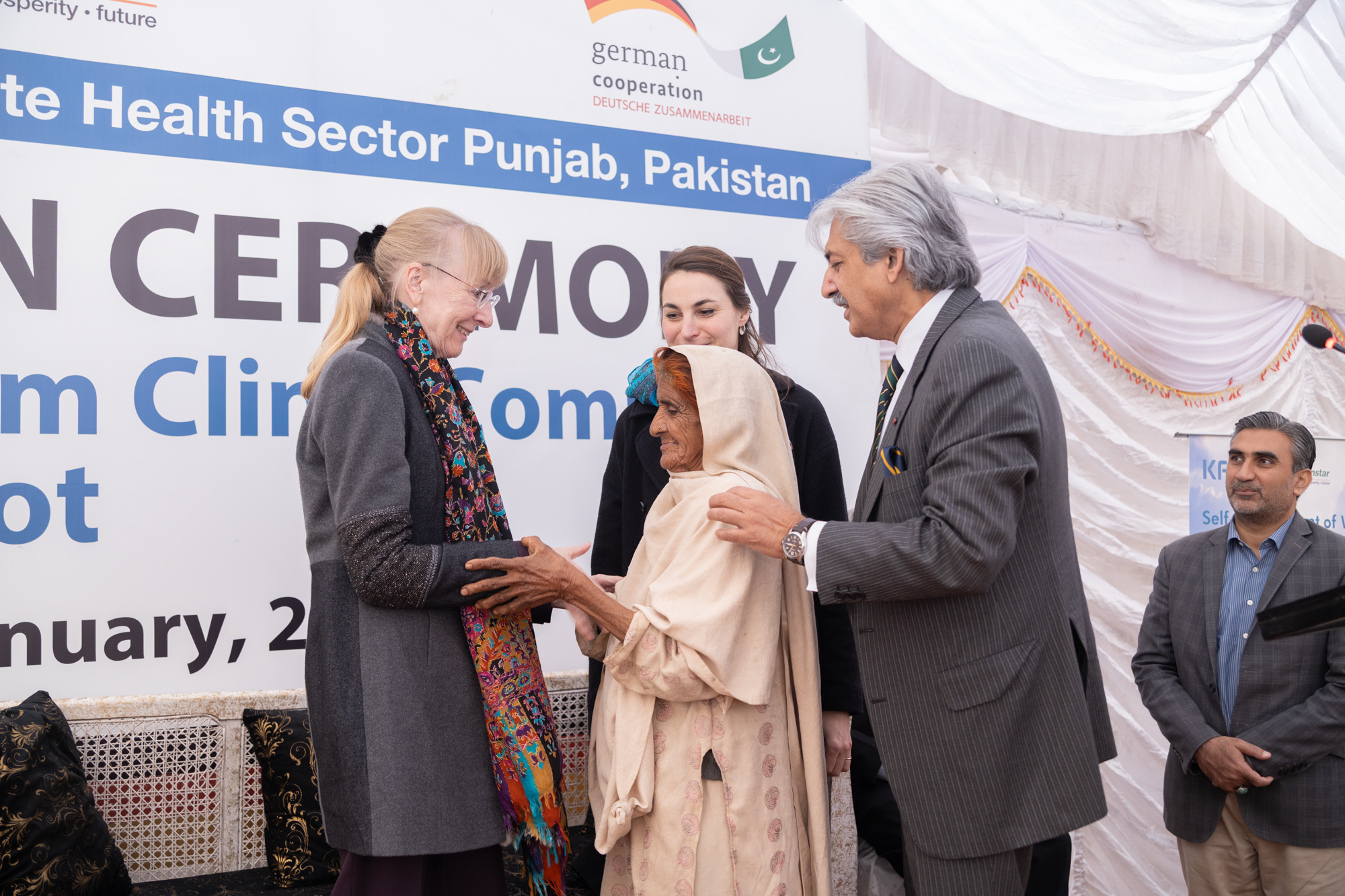
Purpose: Greenstar, in partnership with KfW and supported by the German Federal Ministry for Economic Cooperation and Development (BMZ), inaugurated a women’s health clinic in Village Matrota, Attock, as part of the 200-clinic SEW initiative. The event was attended by BMZ and KfW officials, including Ms. Christiane Amari (Head of Division for Afghanistan and Pakistan – BMZ), Ms. Antonia Peters (Senior Policy Officer – BMZ), Dr. Anna-Christine Janke (Country Manager – KfW), Ms. Sabine Heinz (KfW Frankfurt Office), Mr. Sebastian Jacobi (Country Director – KfW), and Dr. Masuma Zaidi (Senior Sector Specialist – KfW), along with local leaders Mr. Sheikh Aftab Ahmed (Member of the National Assembly) and Dr. Sehar (DC IRMNCH Attock).
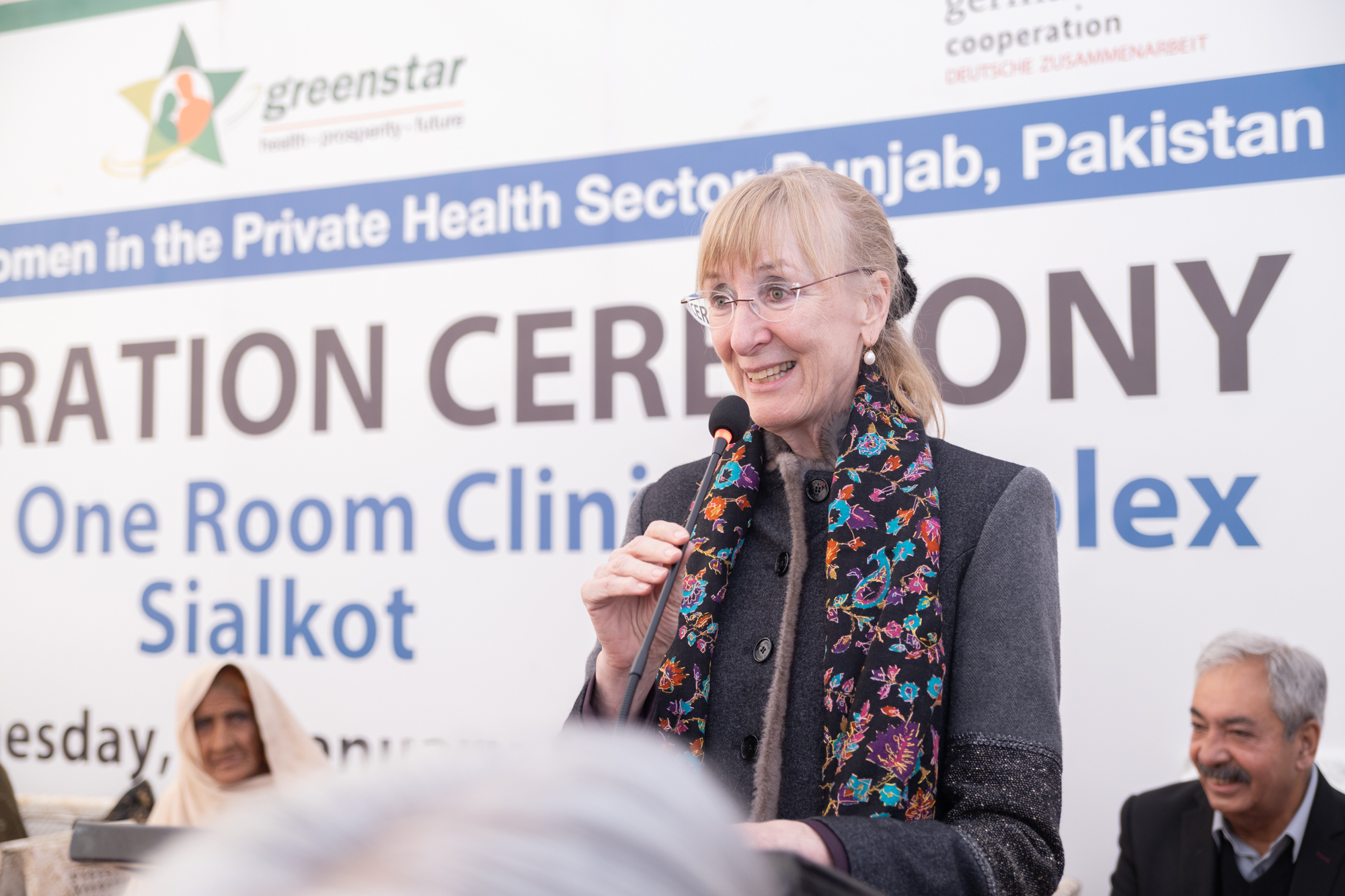
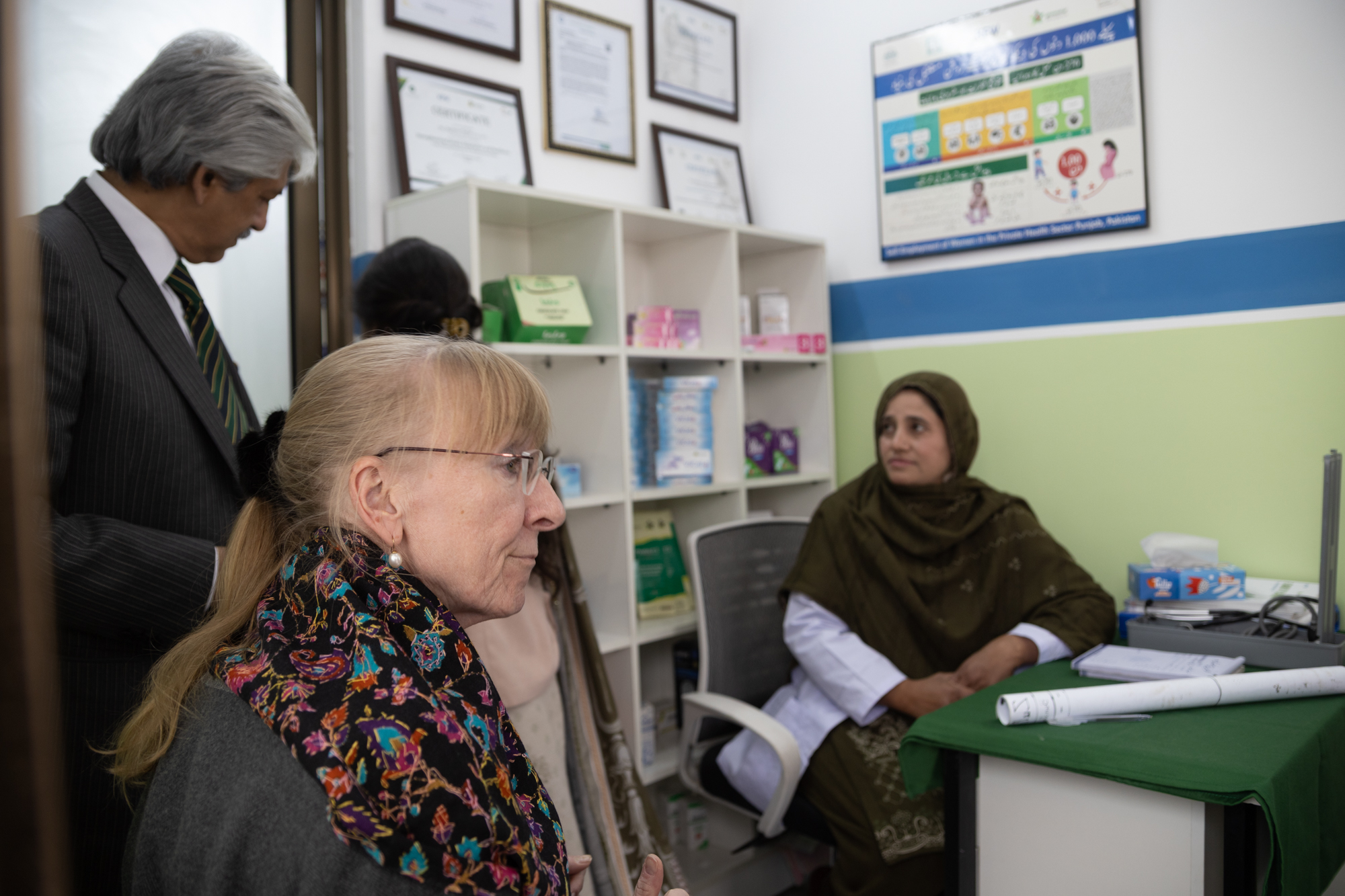
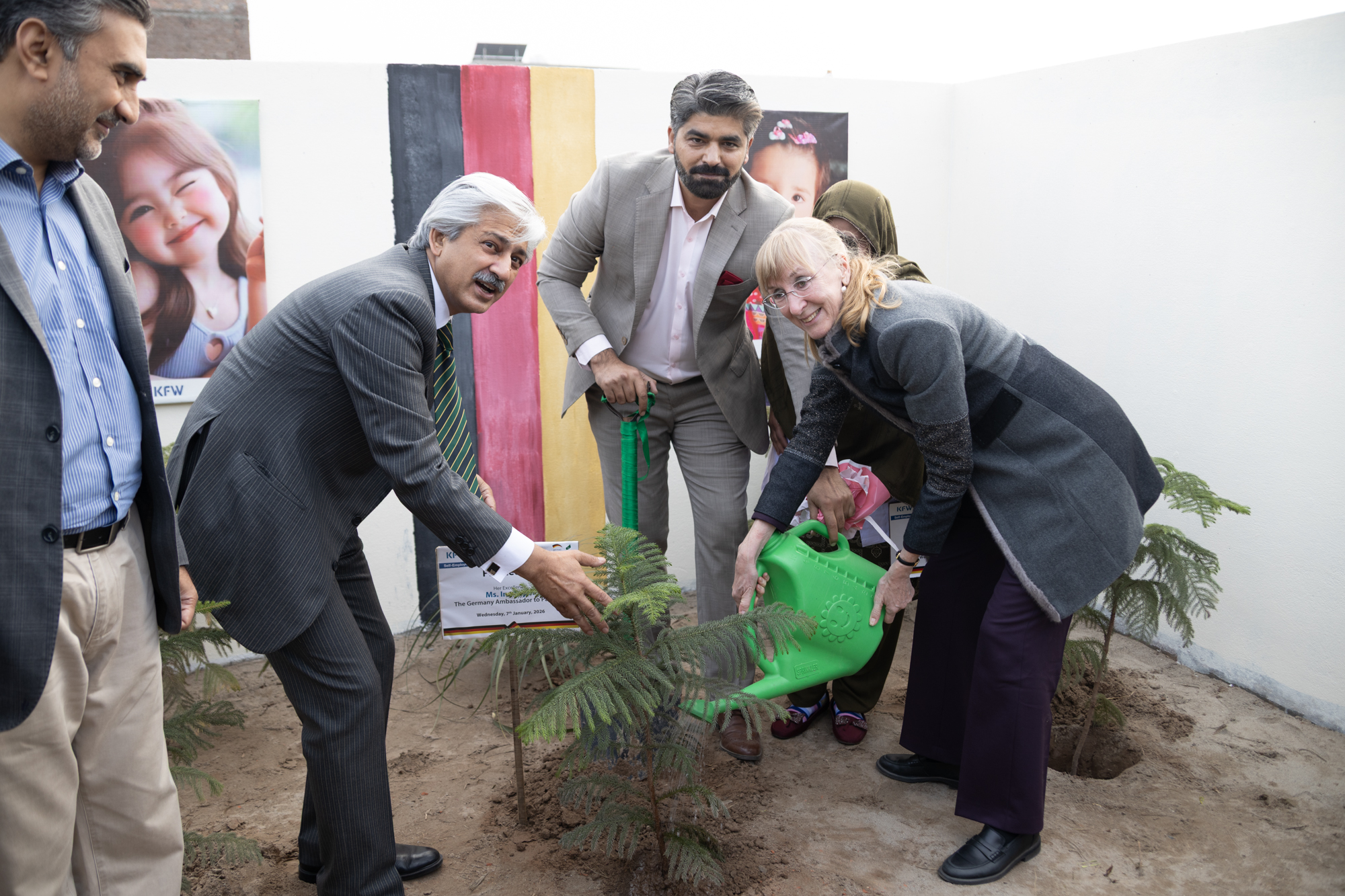
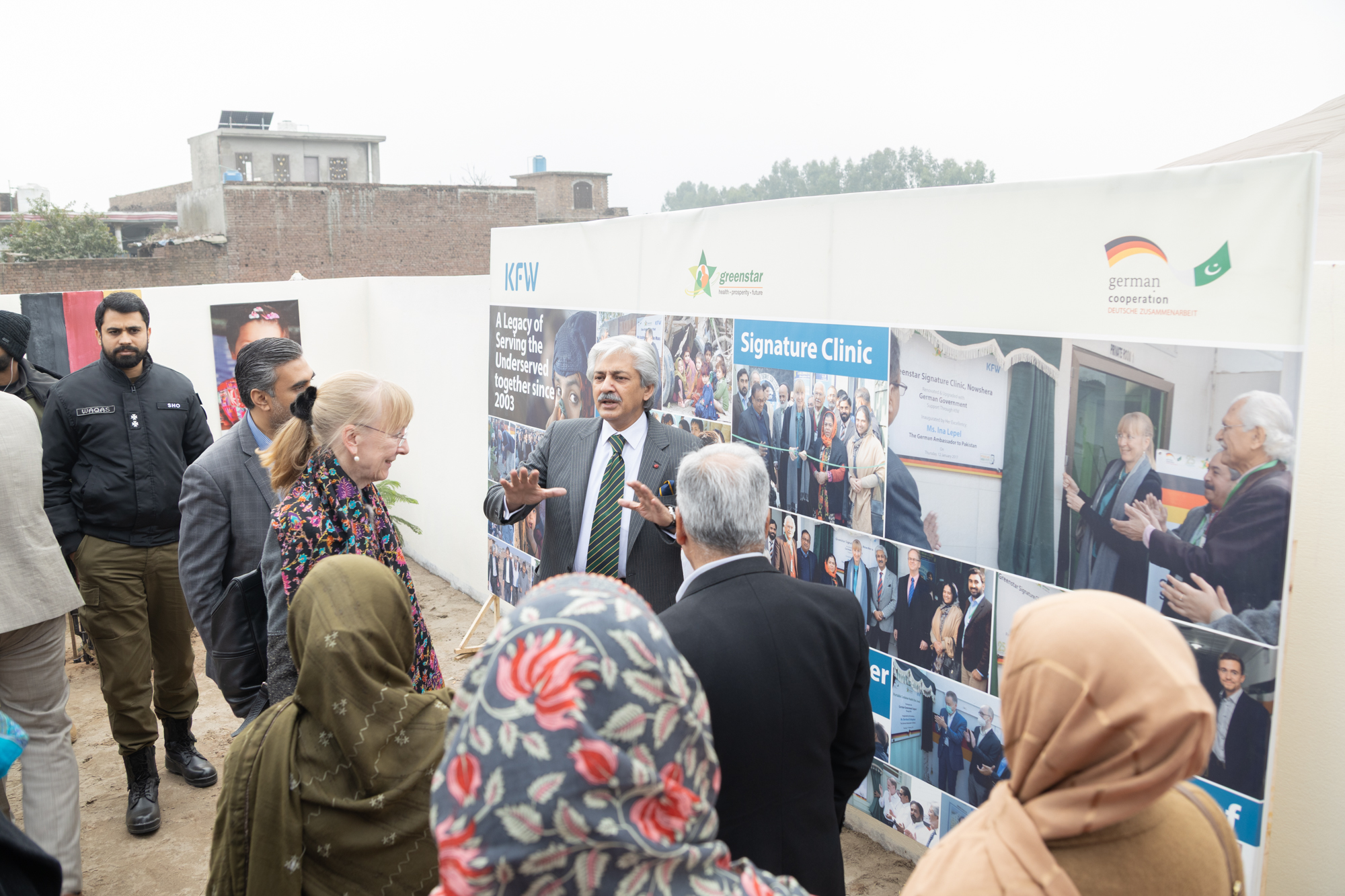
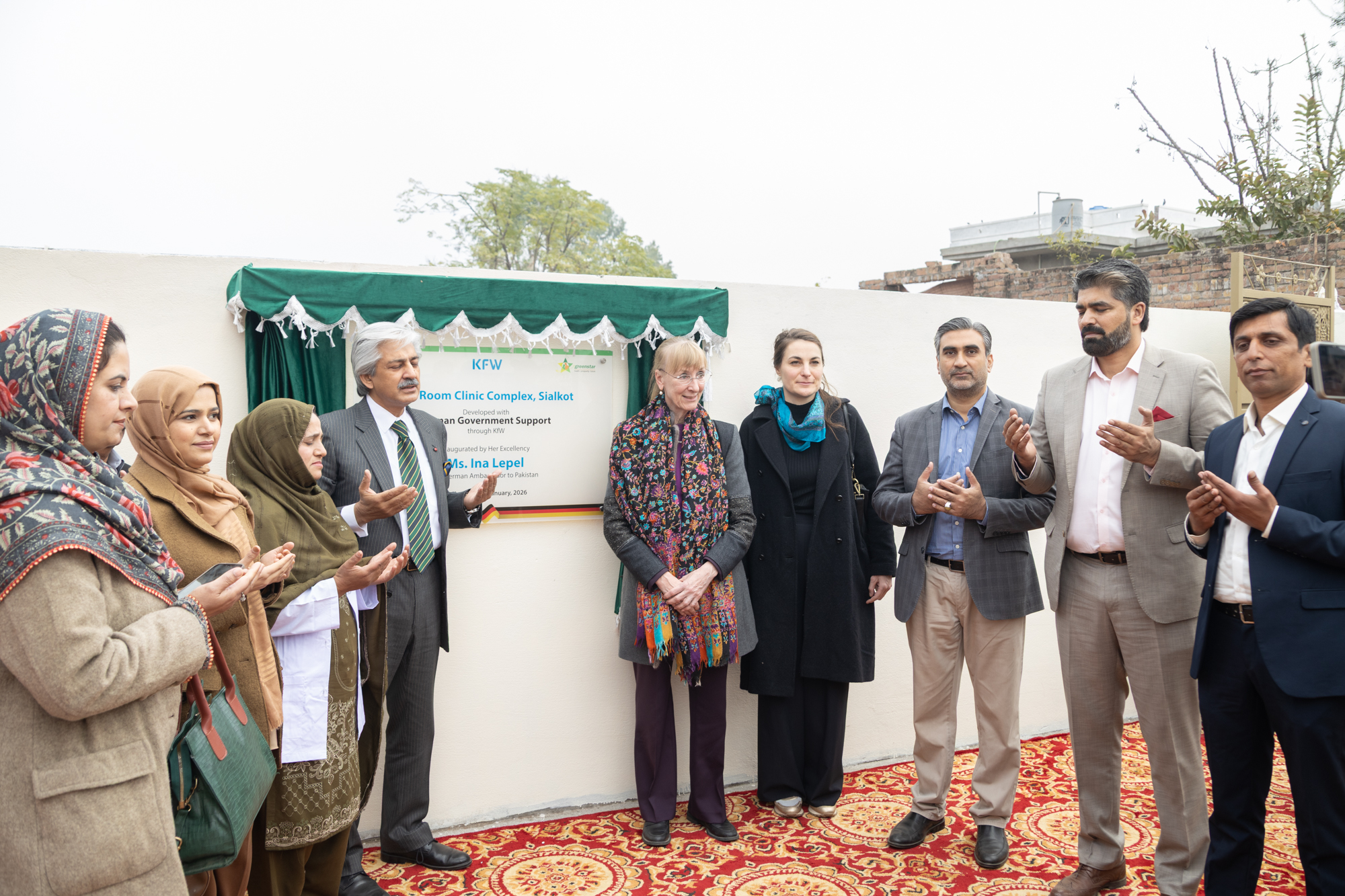
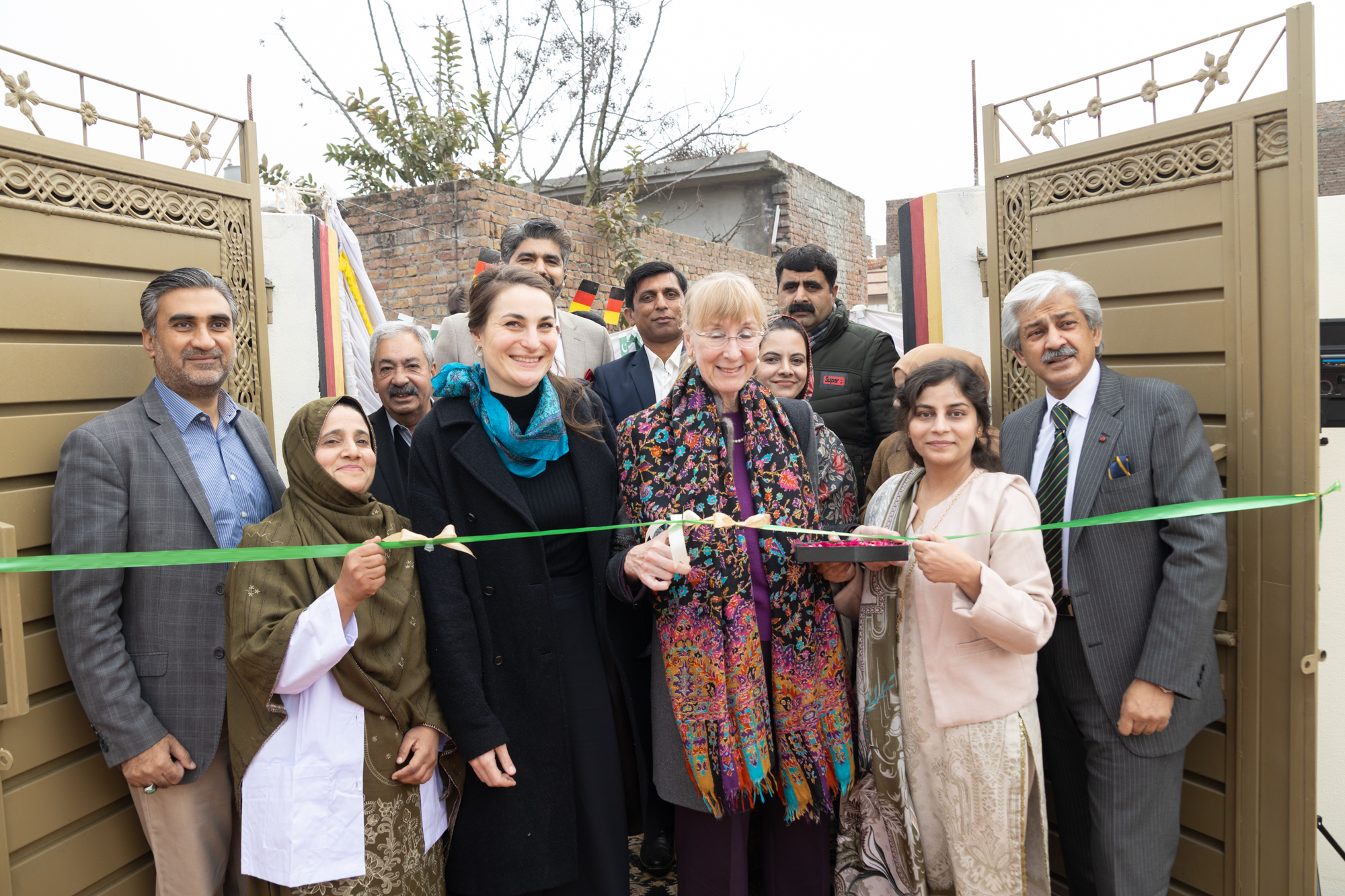
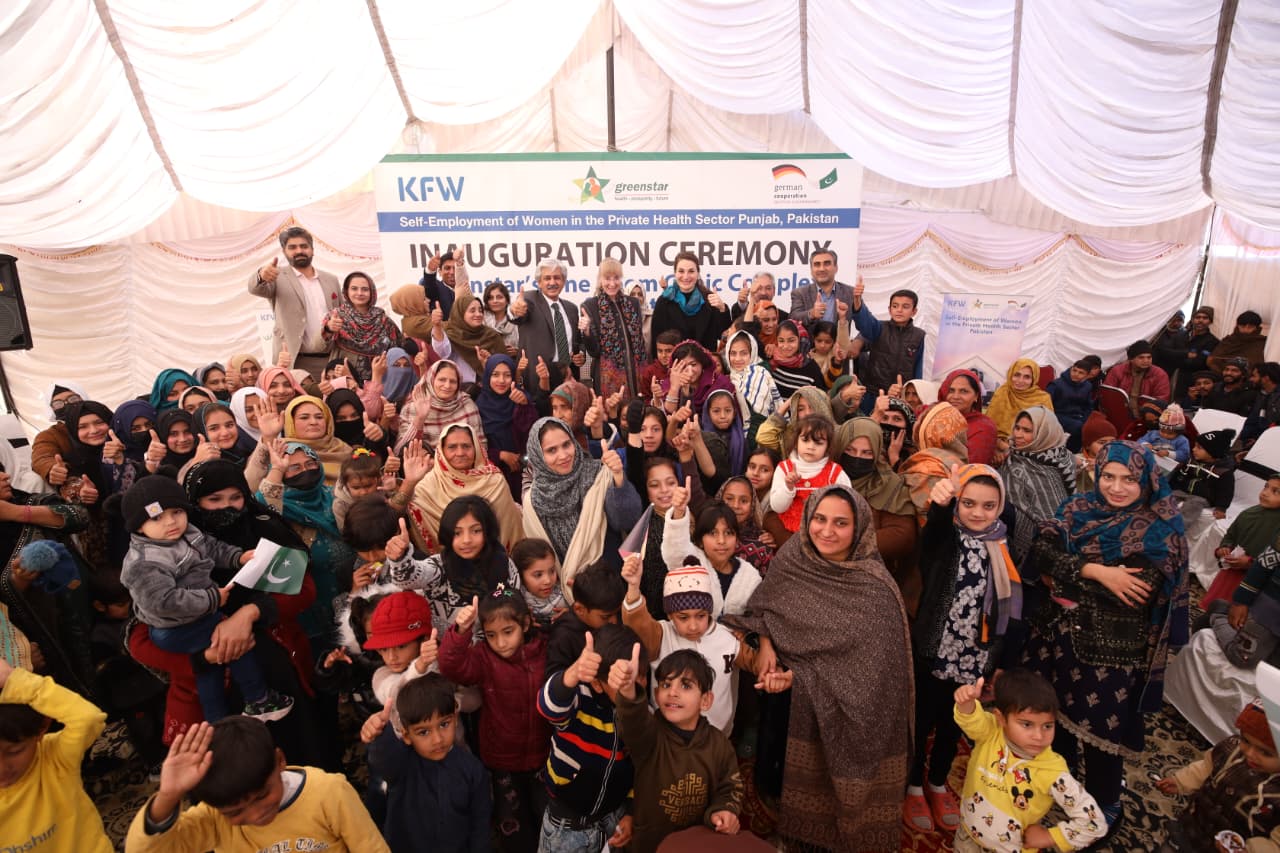
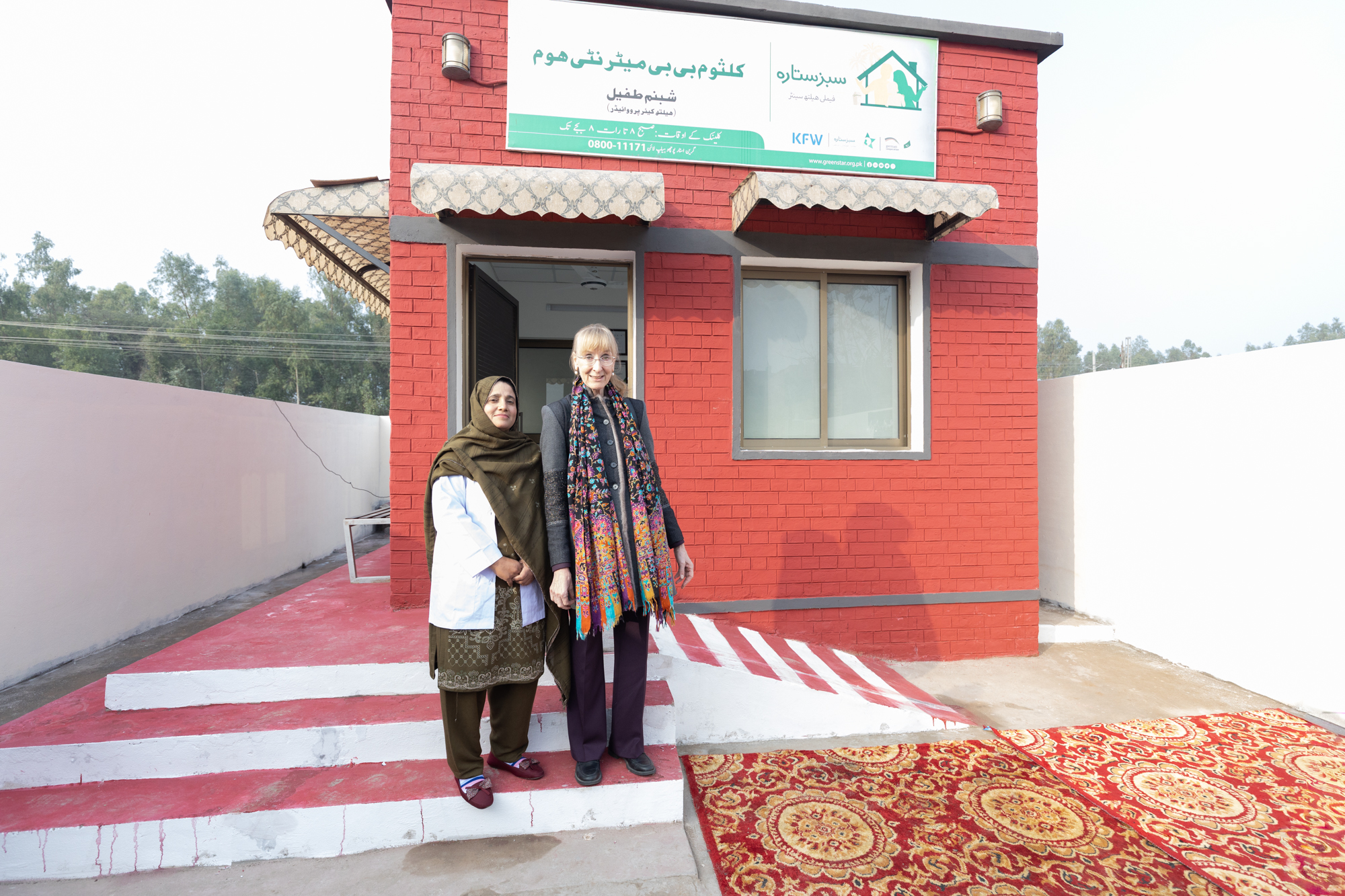
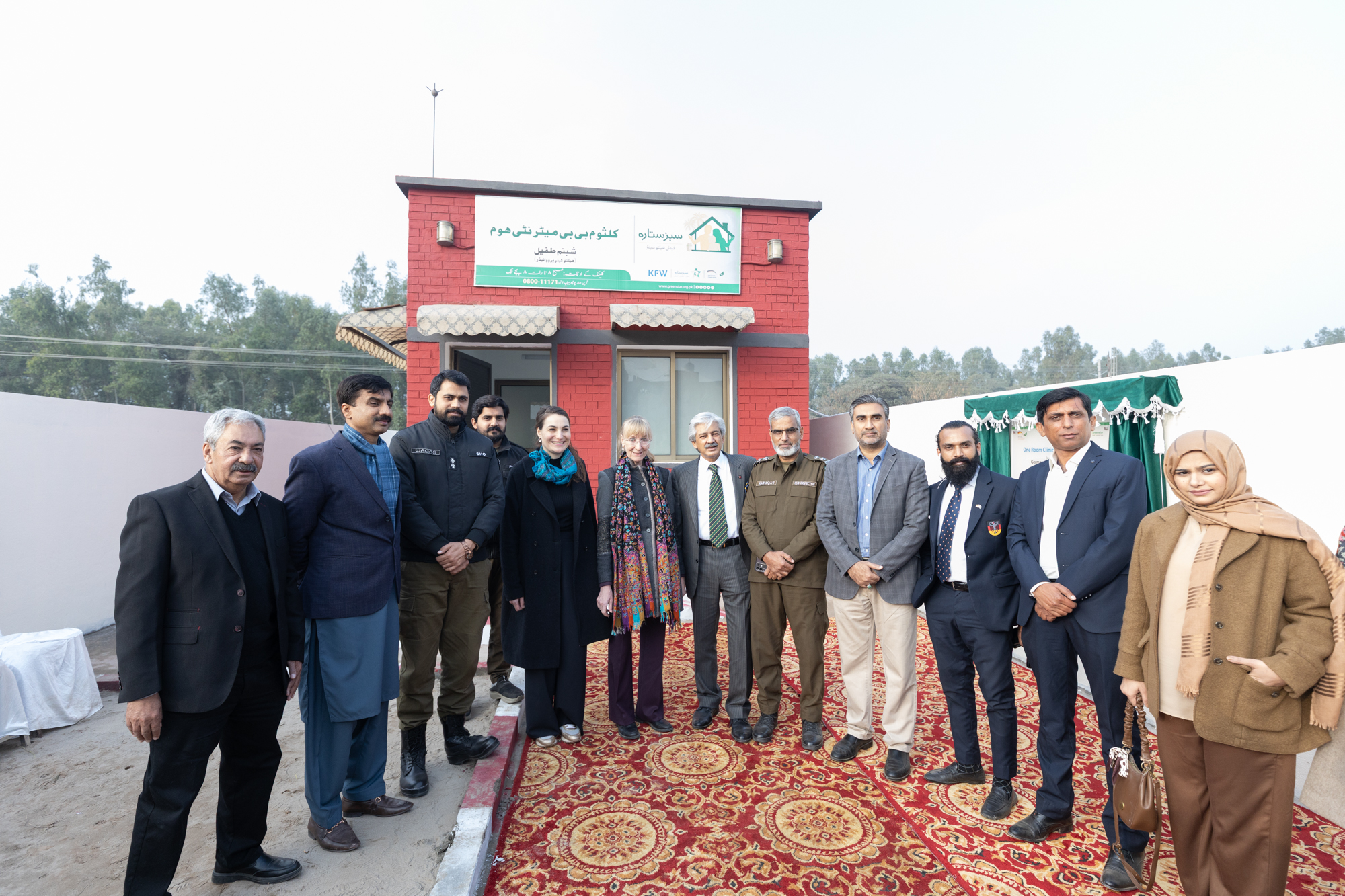
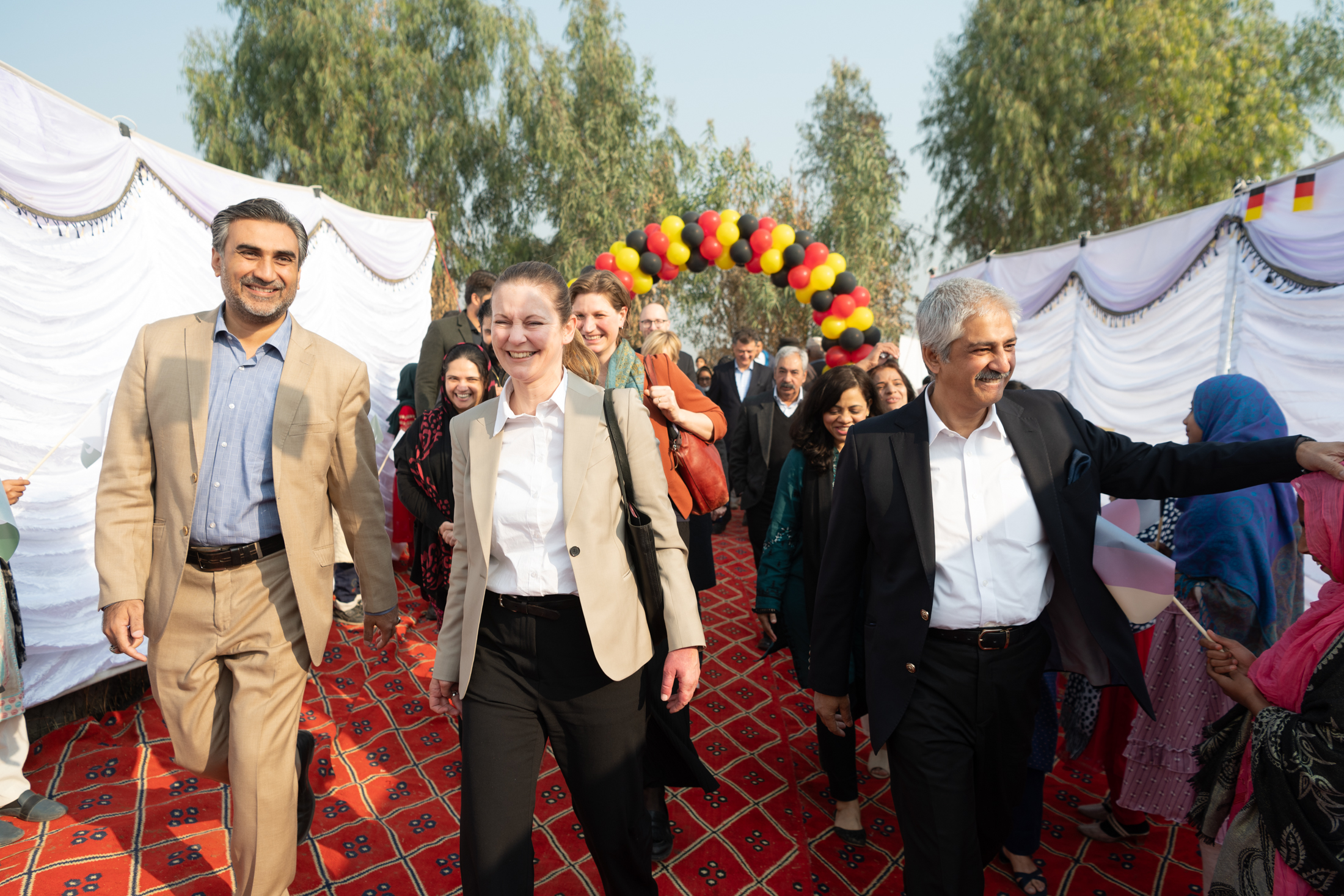
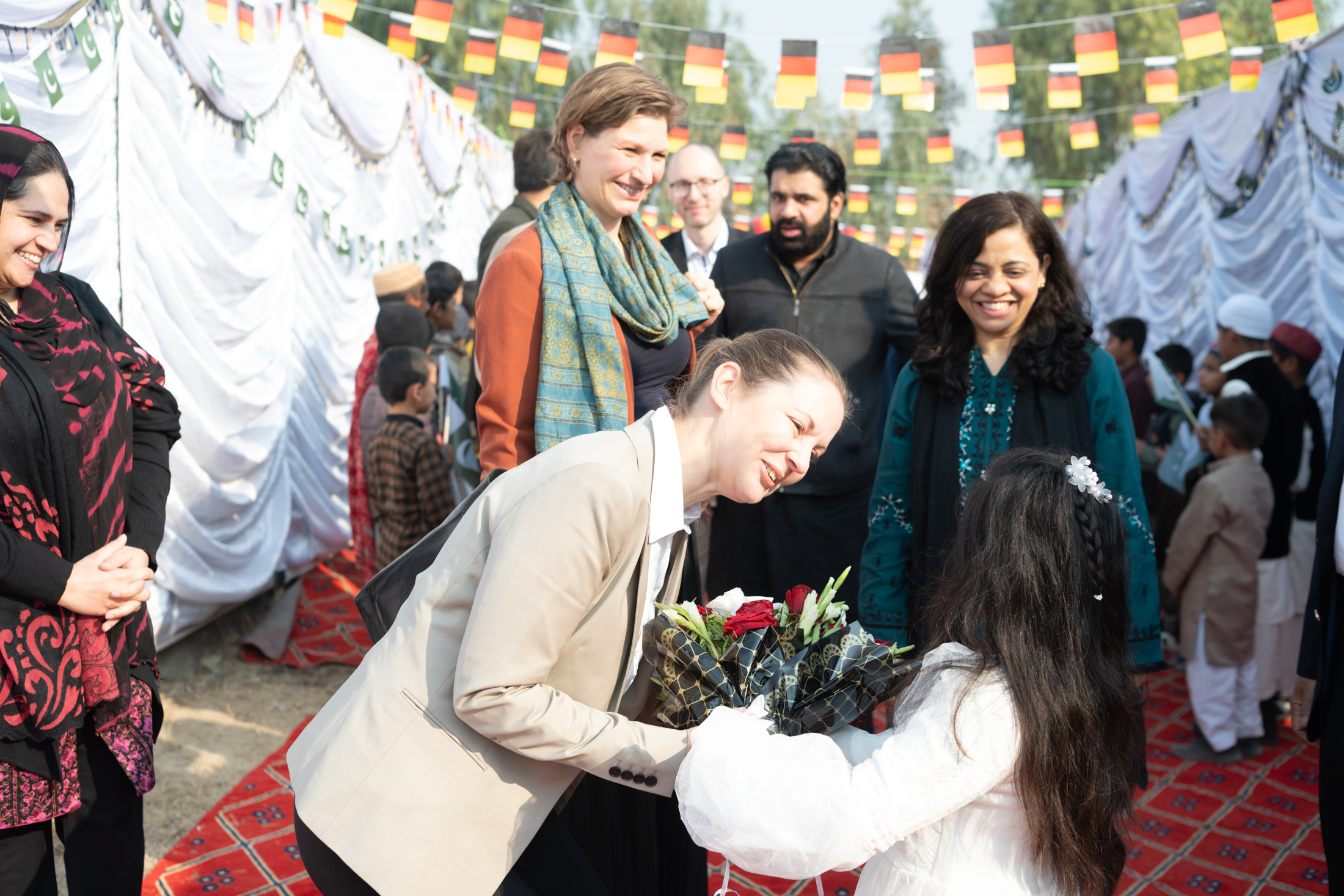
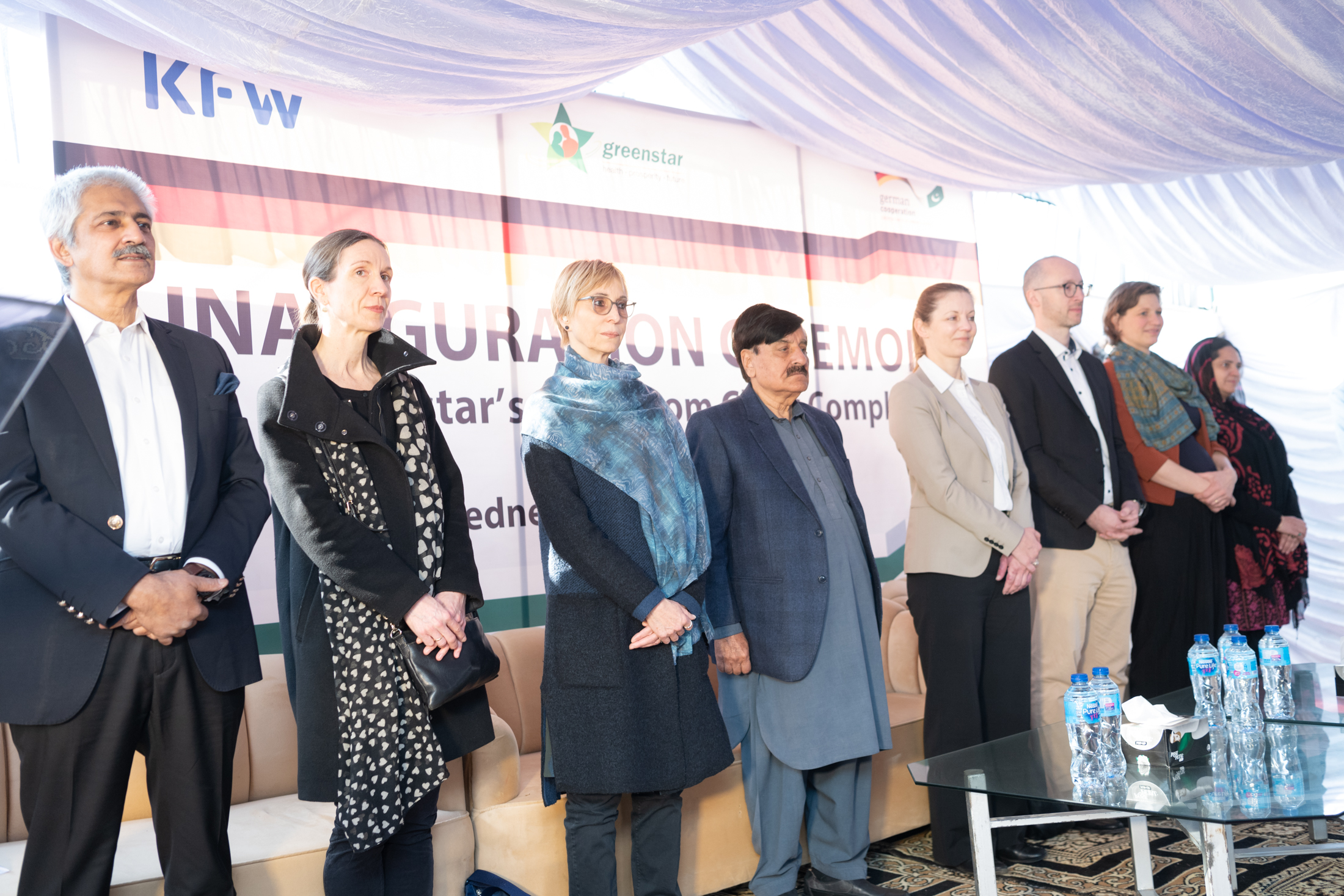
German Ambassador to Pakistan Inaugurates Greenstar SEW Clinic Complex in Sialkot
Date: 5th February 2025
Location:Attock, Punjab
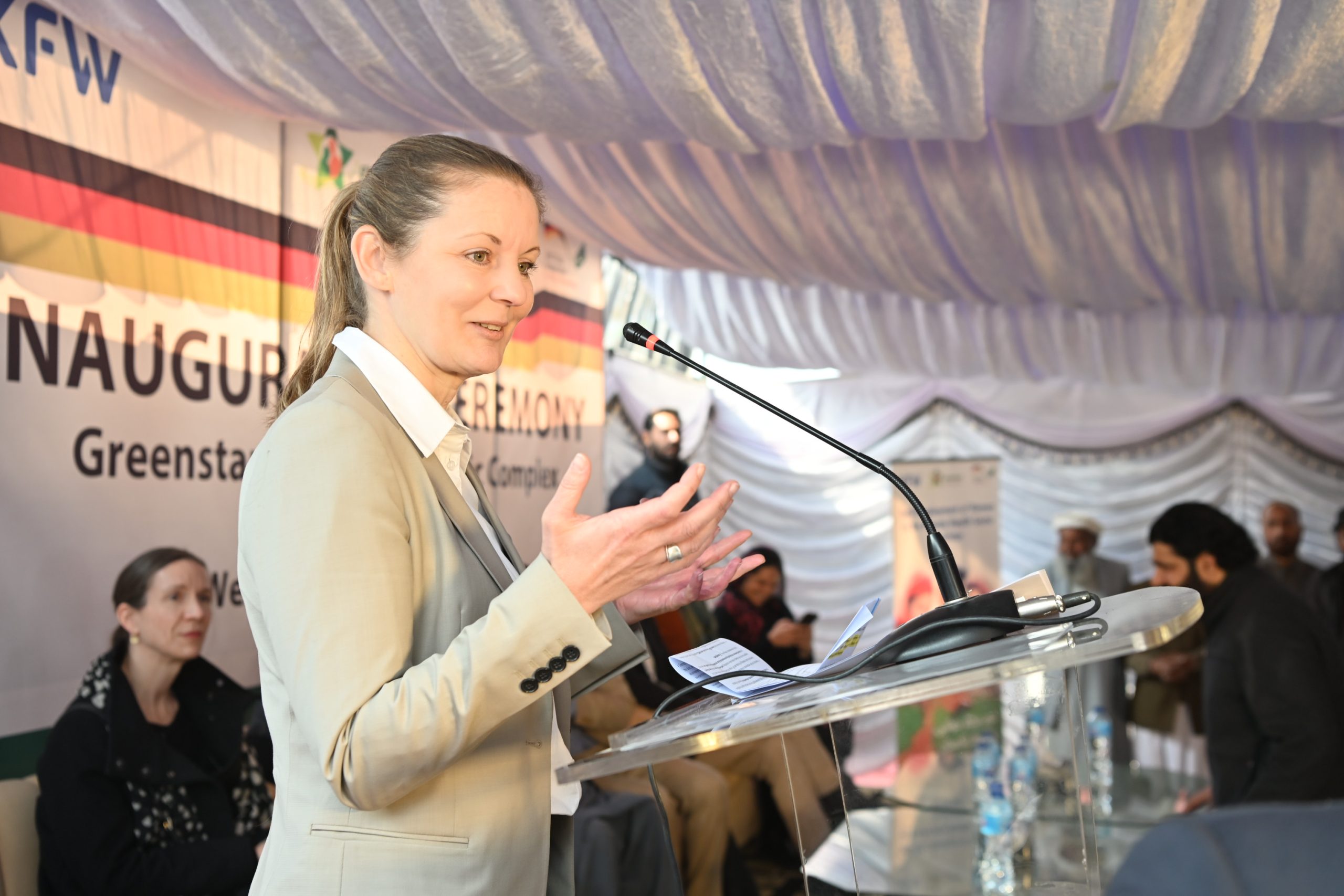
Purpose: On Wednesday, 7th January 2026, Greenstar Social Marketing inaugurated its KfW Clinic Complex in District Sialkot, Punjab, under the Self-Employment of Women (SEW) Project, with Ms. Ina Lepel, German Ambassador to Pakistan, as the Chief Guest. The event marked a major milestone in Greenstar’s efforts to empower skilled female healthcare providers and expand access to quality maternal and child health services in underserved communities. Ambassador Lepel praised Greenstar’s impactful work in improving health indicators, promoting women’s economic empowerment, and delivering sustainable healthcare solutions, reflecting the German Government’s confidence in Greenstar as a credible development partner in Pakistan.
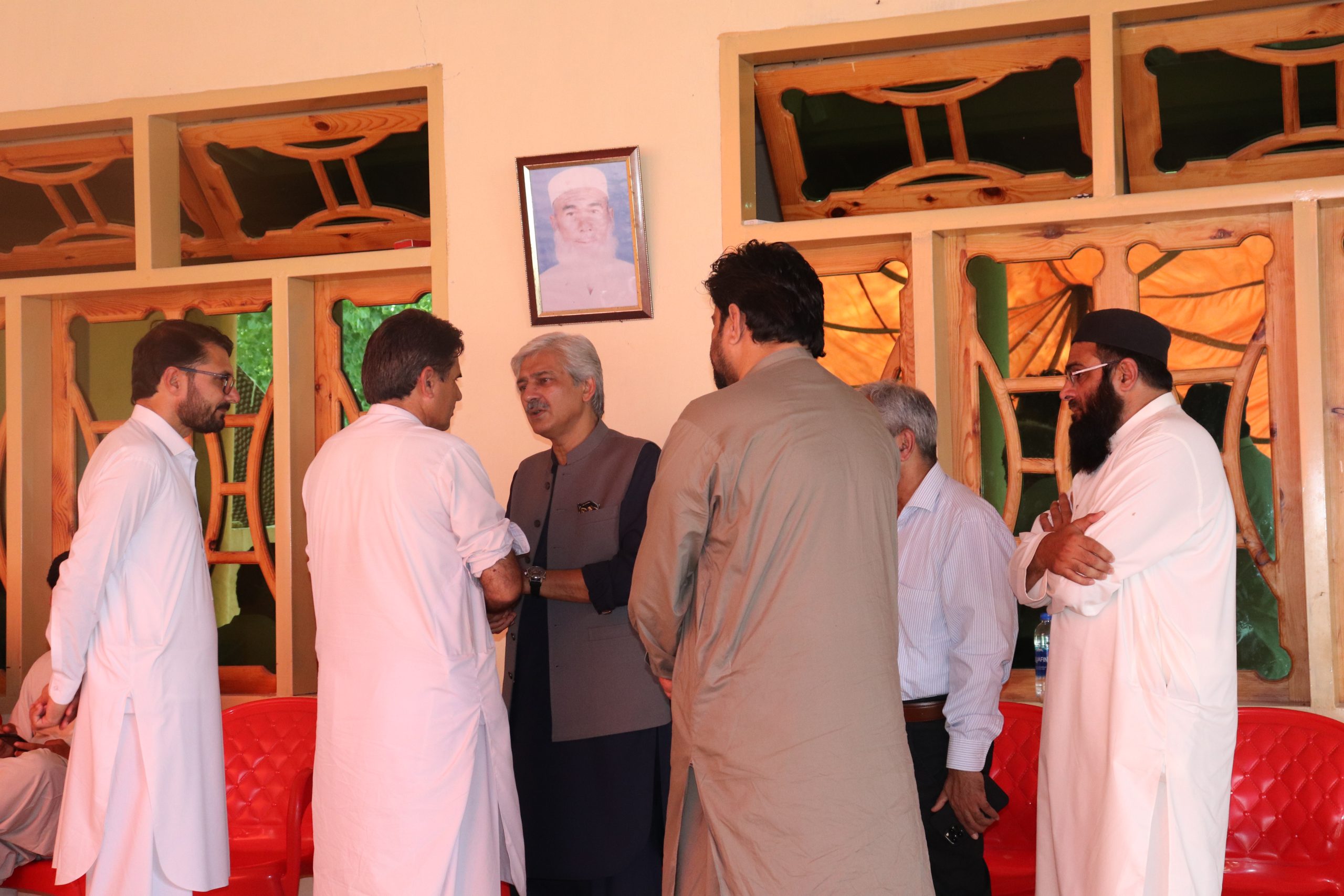
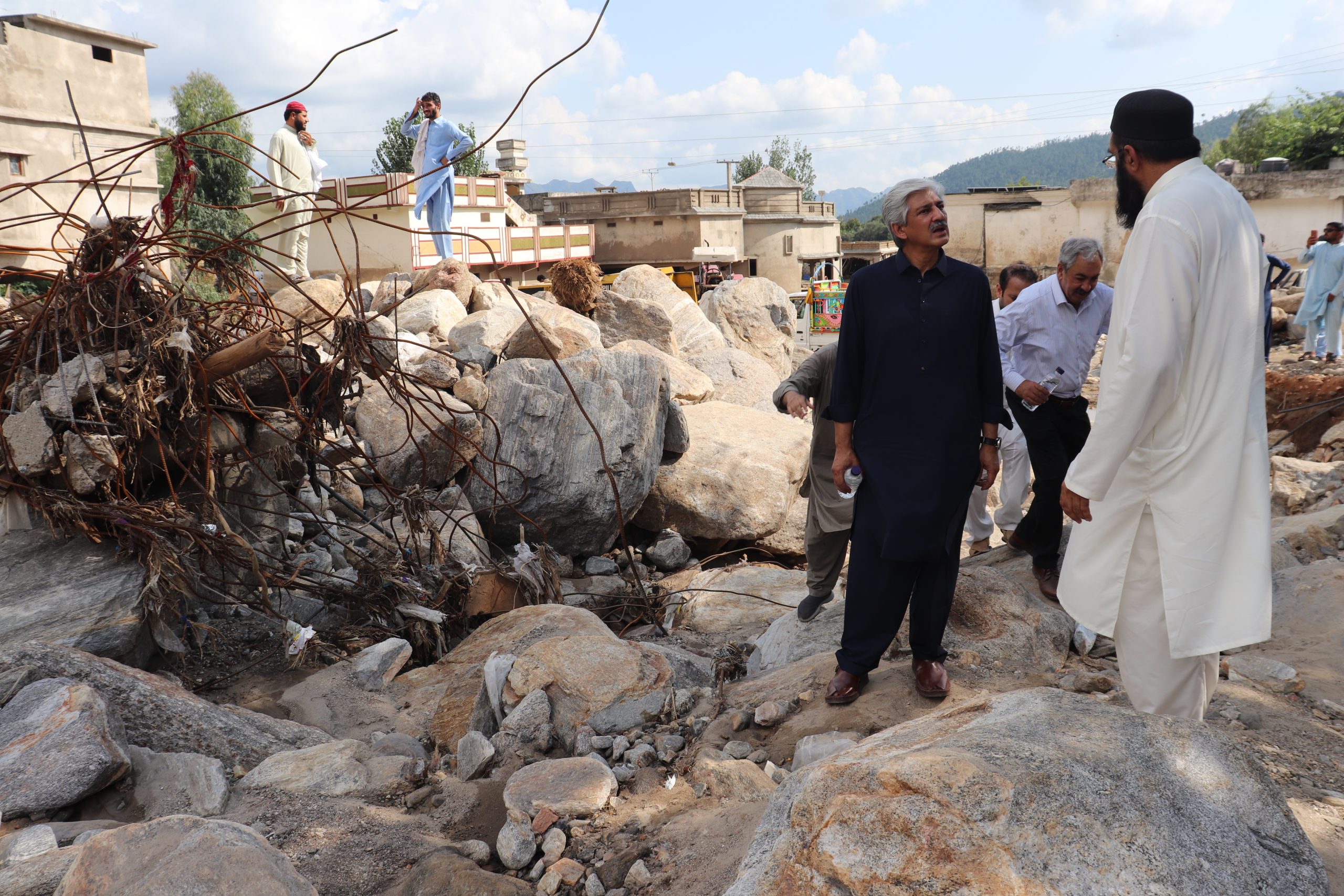
GSM SEW-KP Leads Flood Relief and Health Recovery Efforts
Date: September 2025
Location:Buner
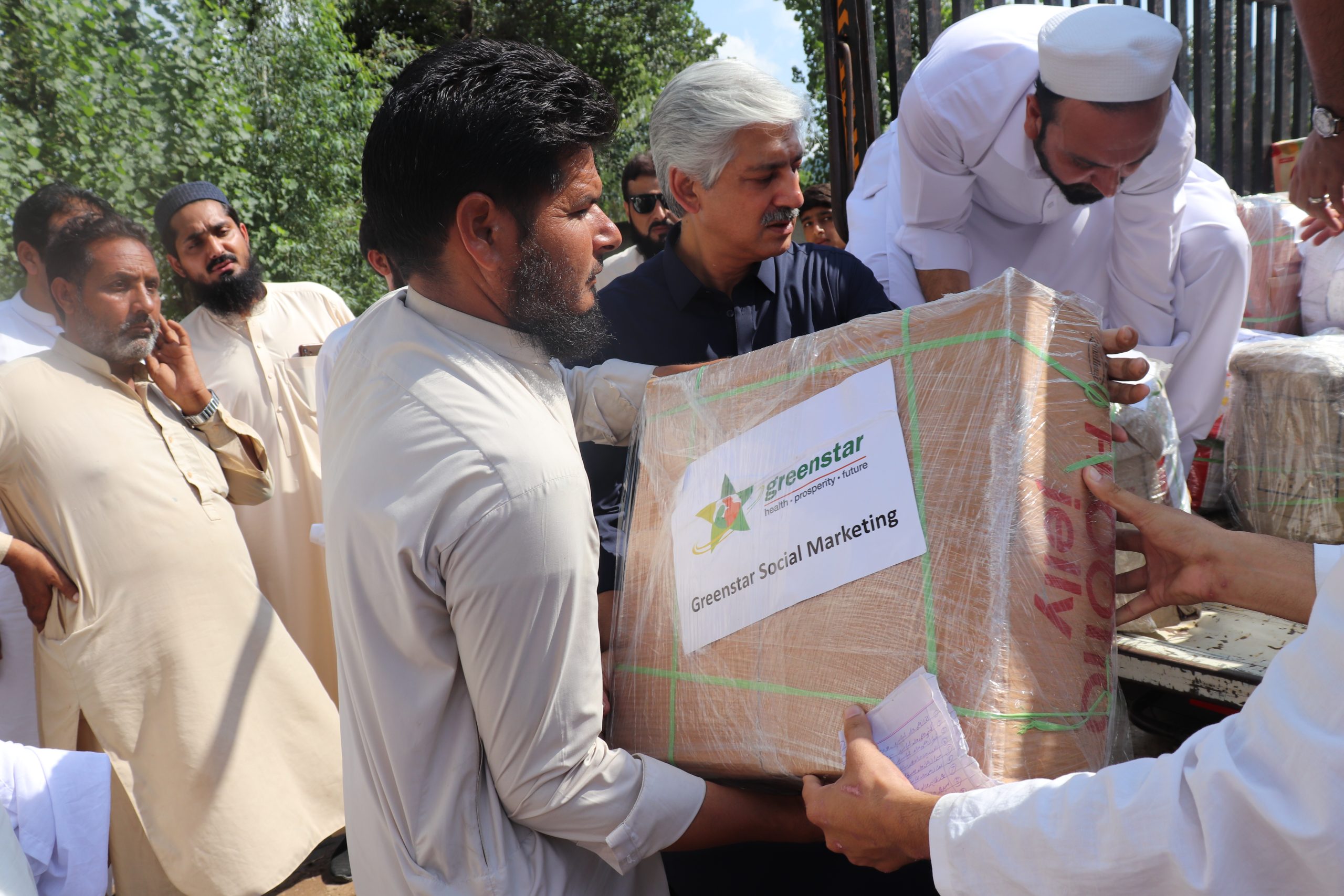
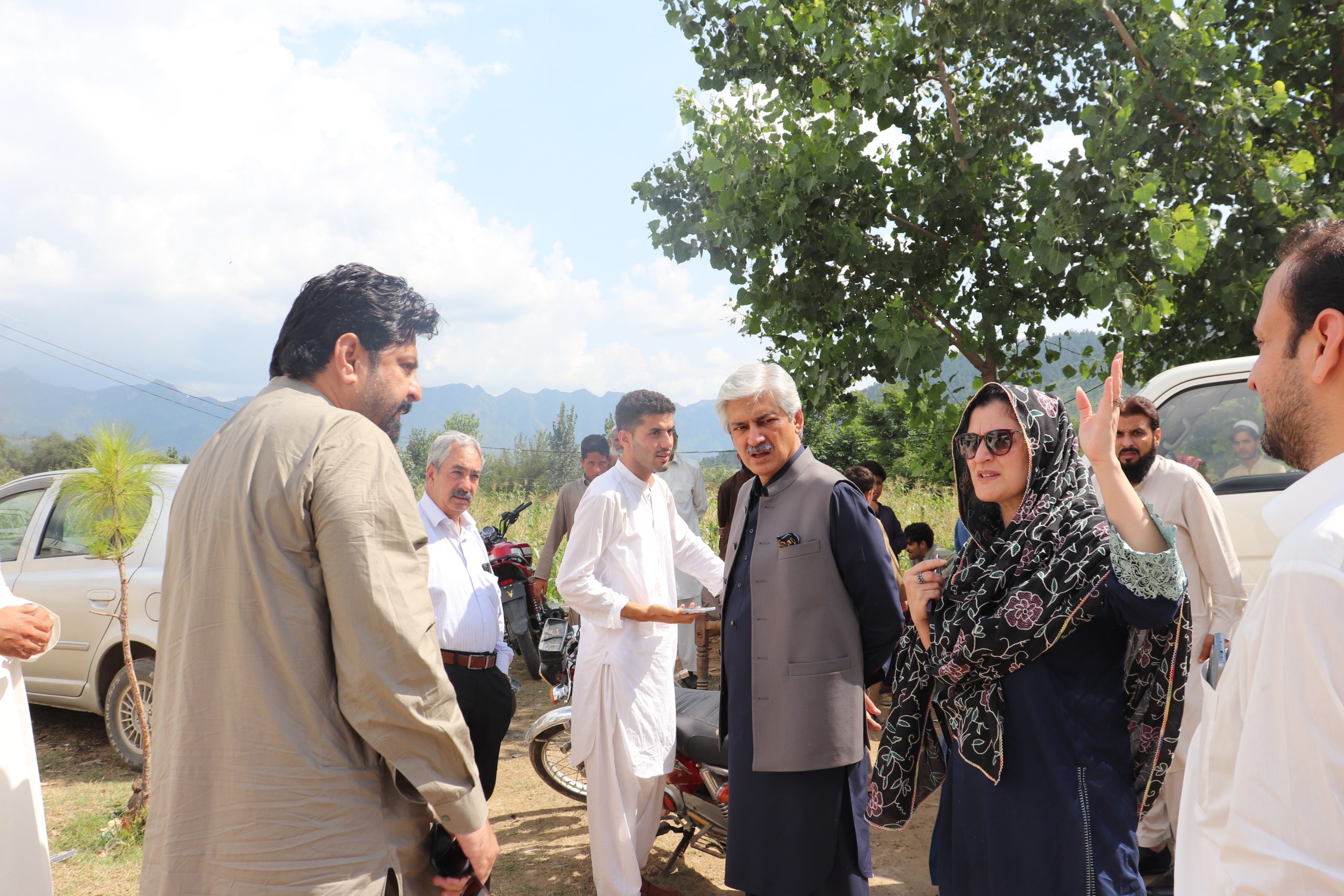
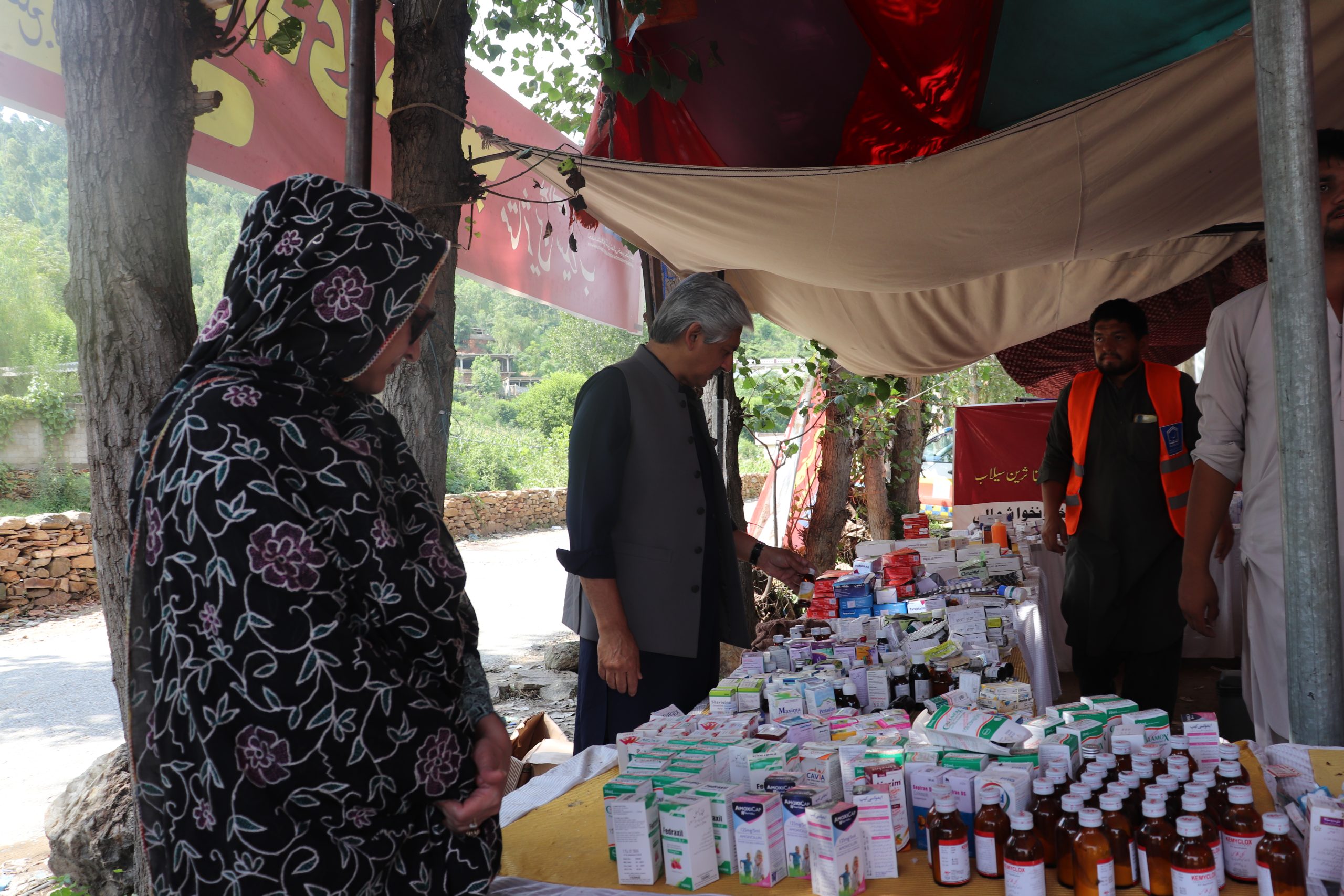
Purpose: The GSM SEW-KP team, led by Dr. Syed Azizur Rab, visited flood-affected areas in Buner to assess urgent needs in healthcare, housing, livelihoods, and psychosocial support. They distributed dry food packages to 70 households in Pir Baba and committed to solarizing THQ Daggar to ensure uninterrupted health services. The initiative was recognized by Health Secretary KP, Shahid Ullah Khan, who reaffirmed government support for ongoing collaboration.
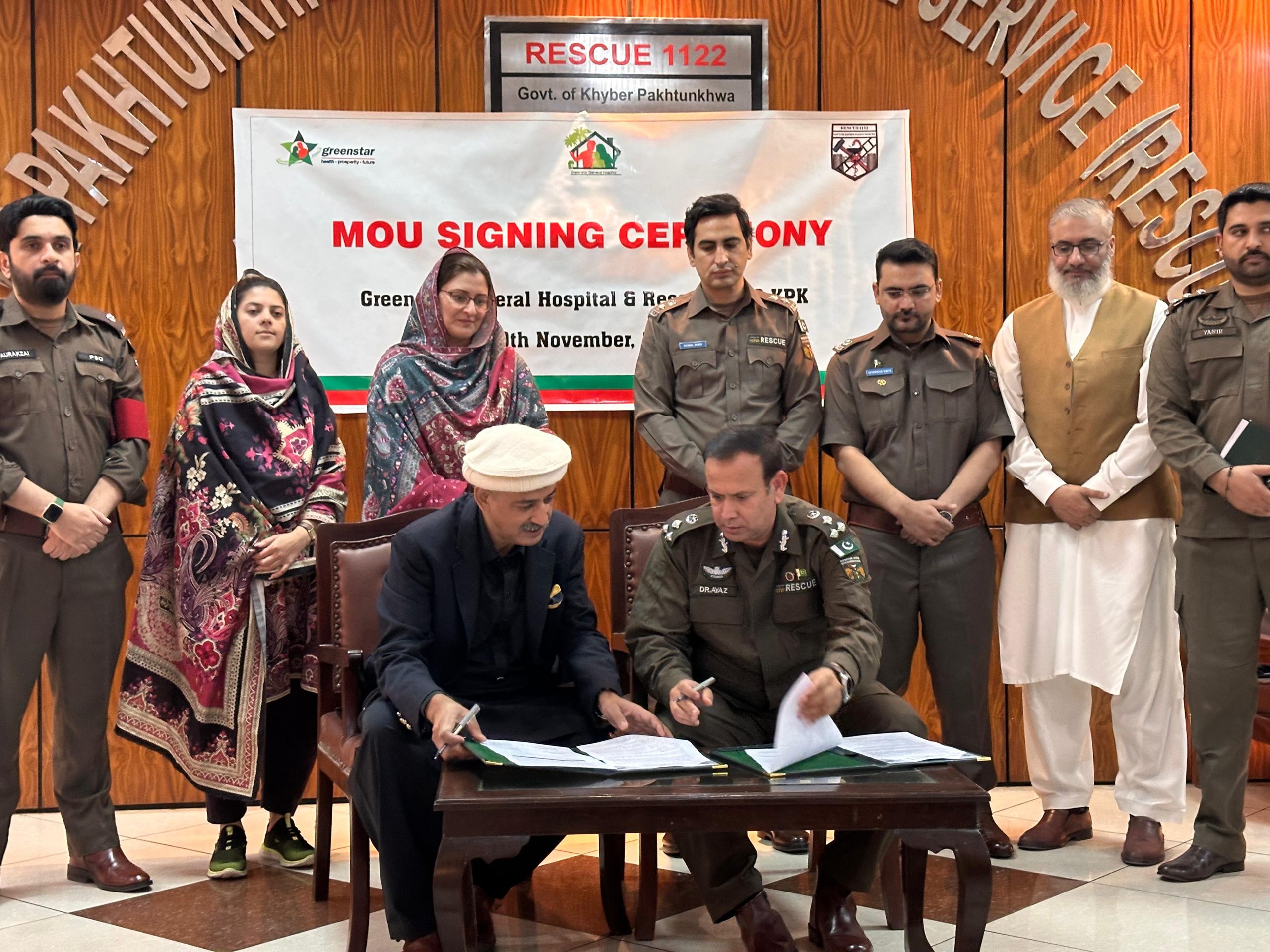
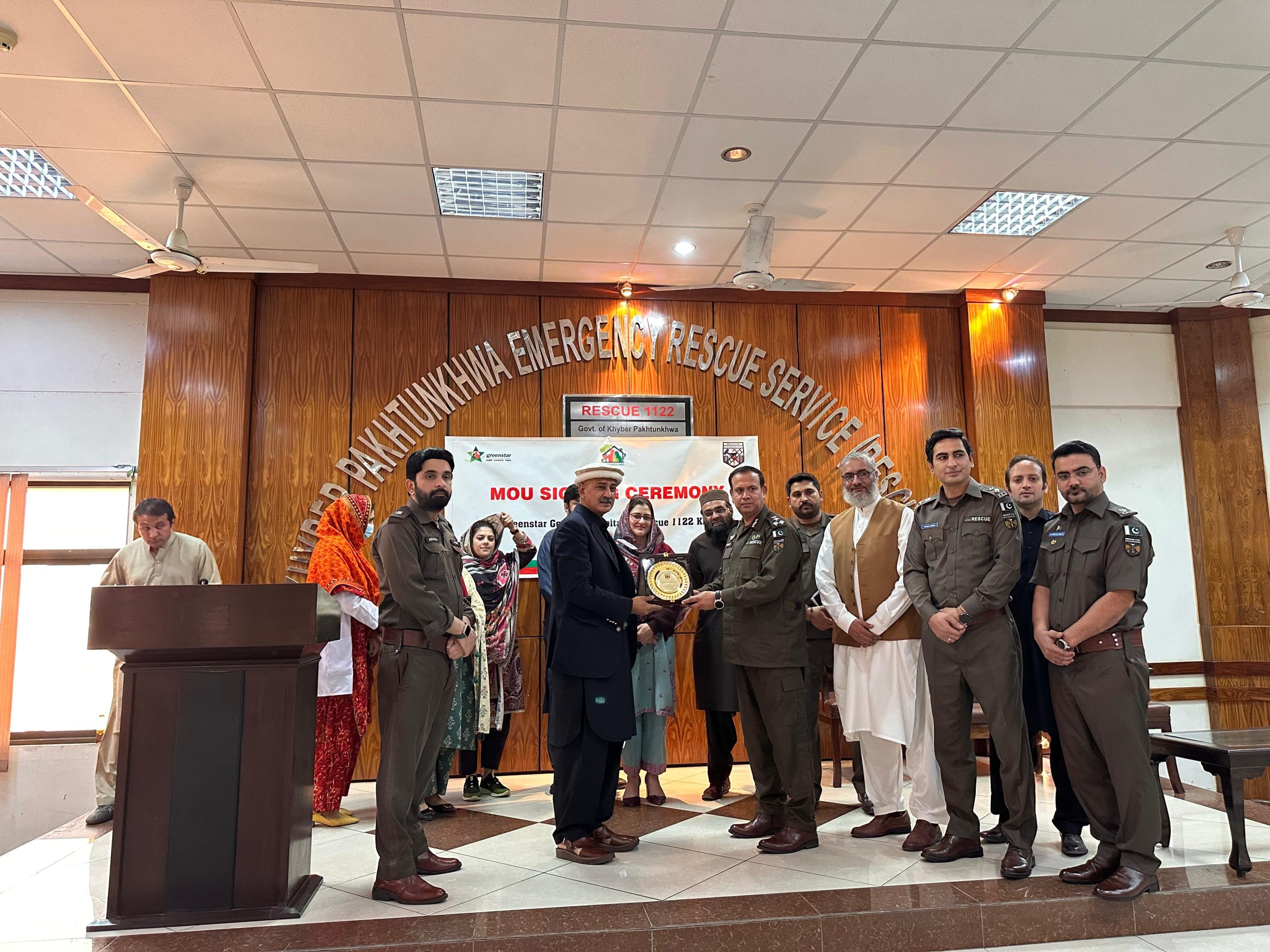
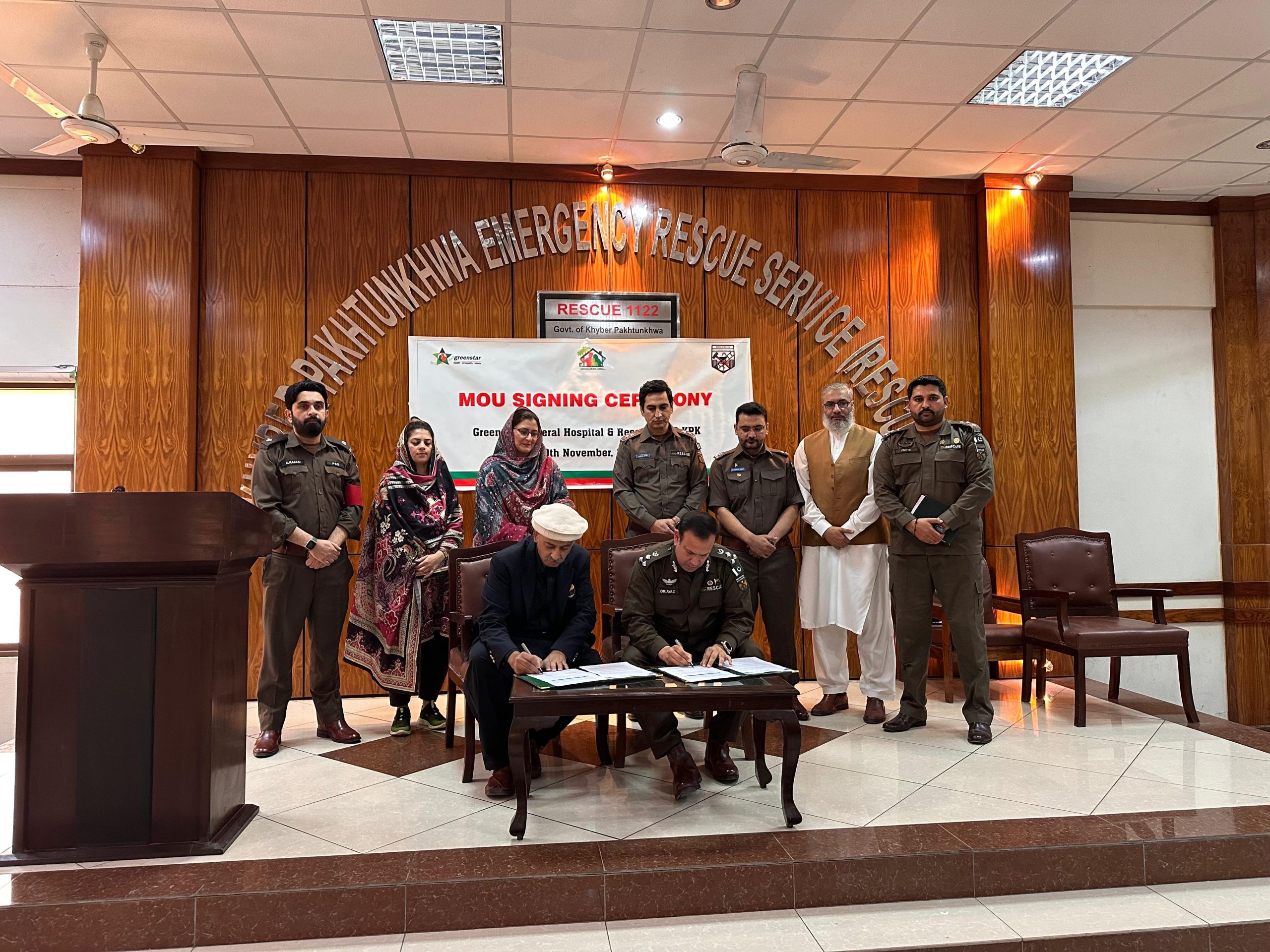
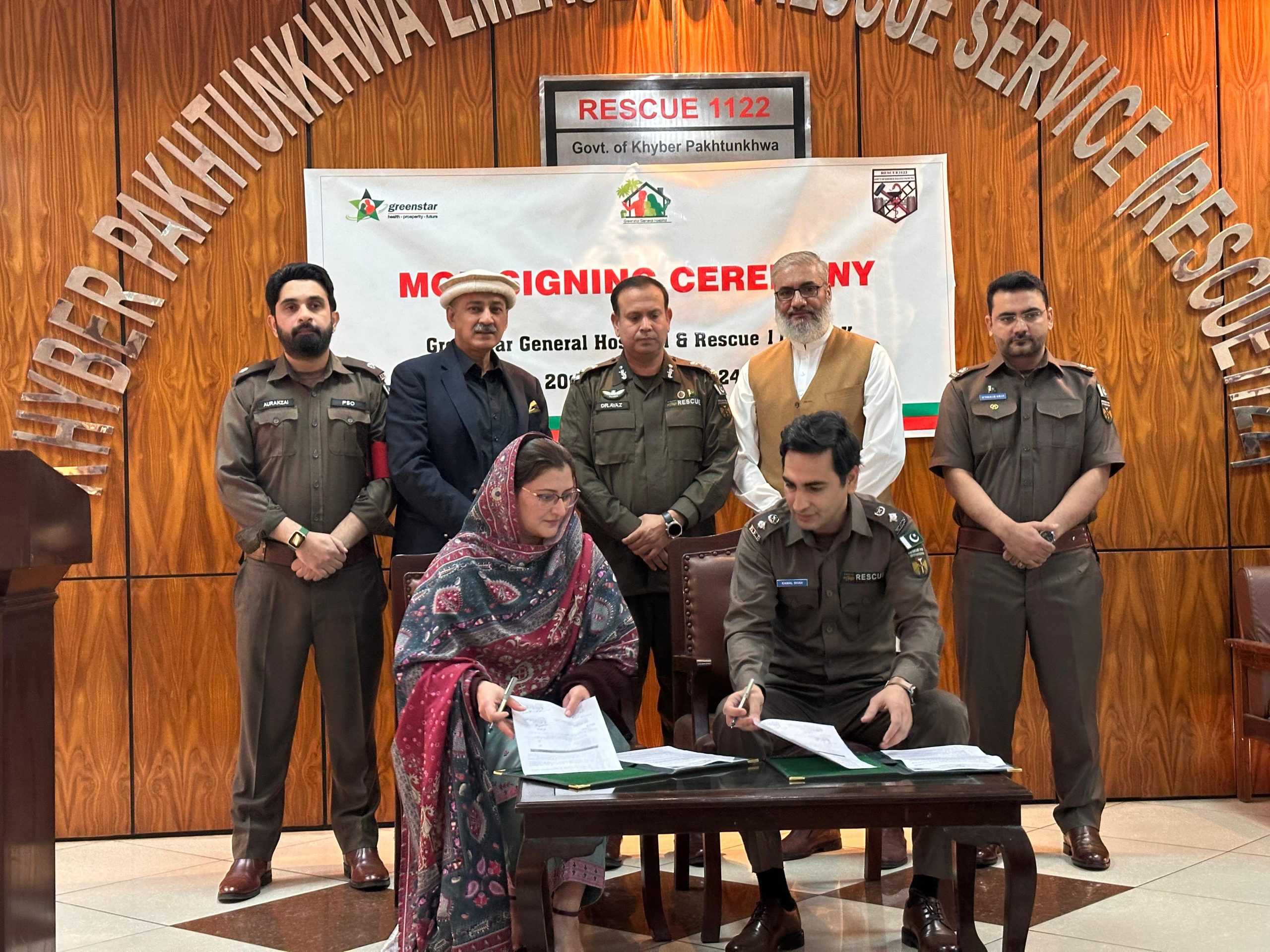
MoU Signing Between GSM and Emergency Response Rescue 1122 KP
Date: 16 May 2025
Location:Buner
Purpose: Greenstar Social Marketing (GSM) signed an MoU with Emergency Response Rescue 1122 Khyber Pakhtunkhwa to enhance emergency readiness among SEW providers. Seventy SEW providers were trained in first aid and basic life support, and direct linkages were established with the Rescue 1122 network to ensure rapid coordination and support during emergencies.
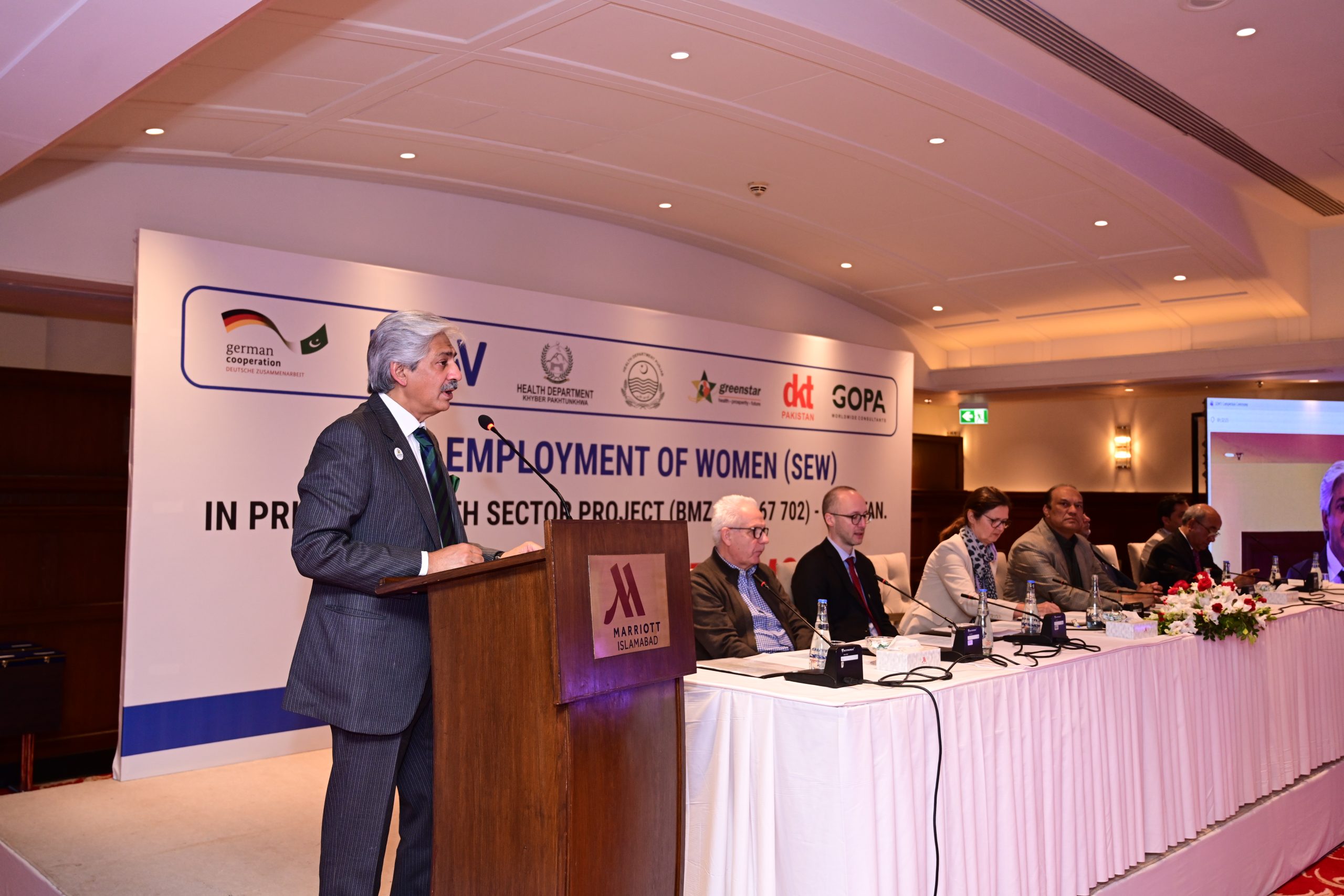
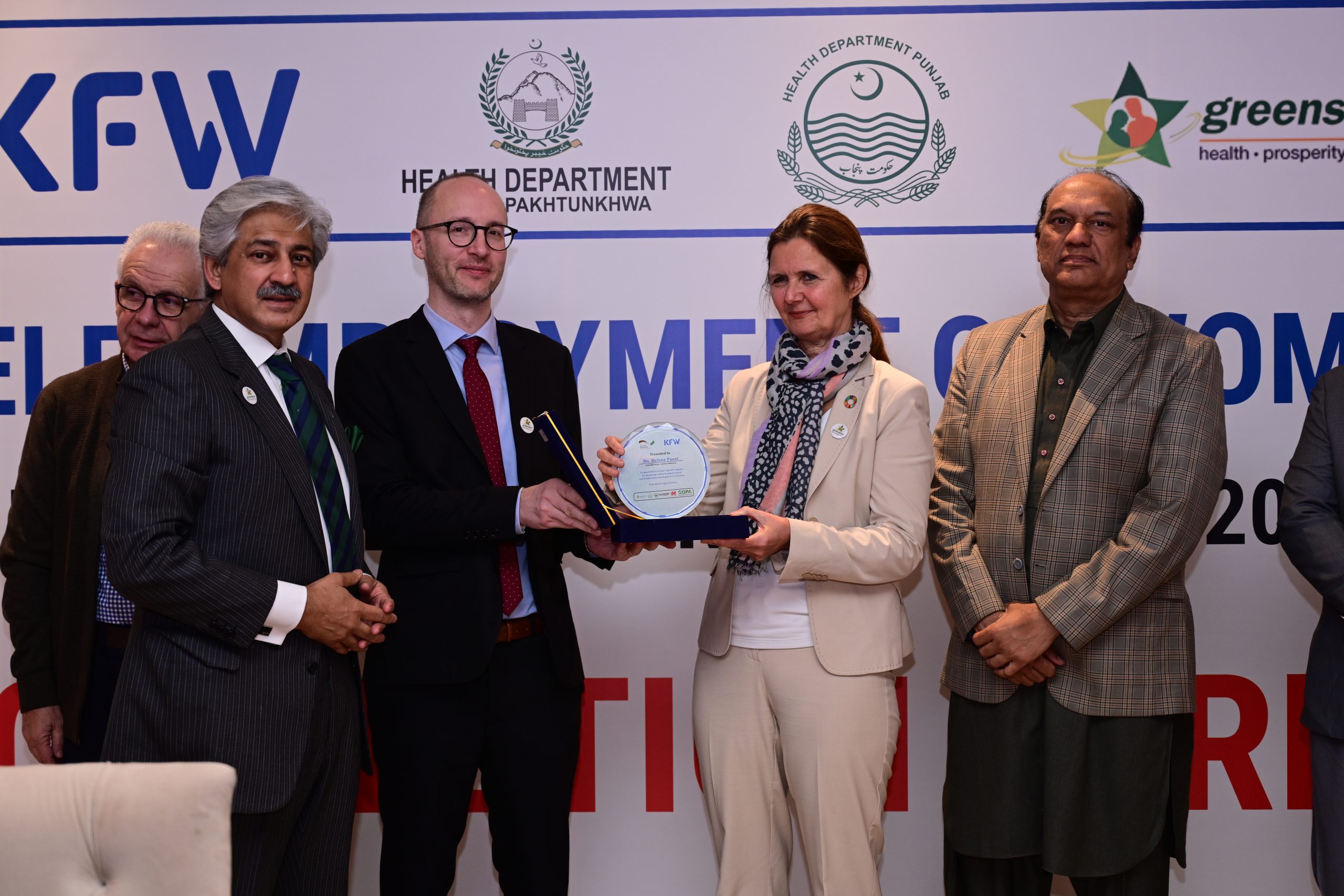
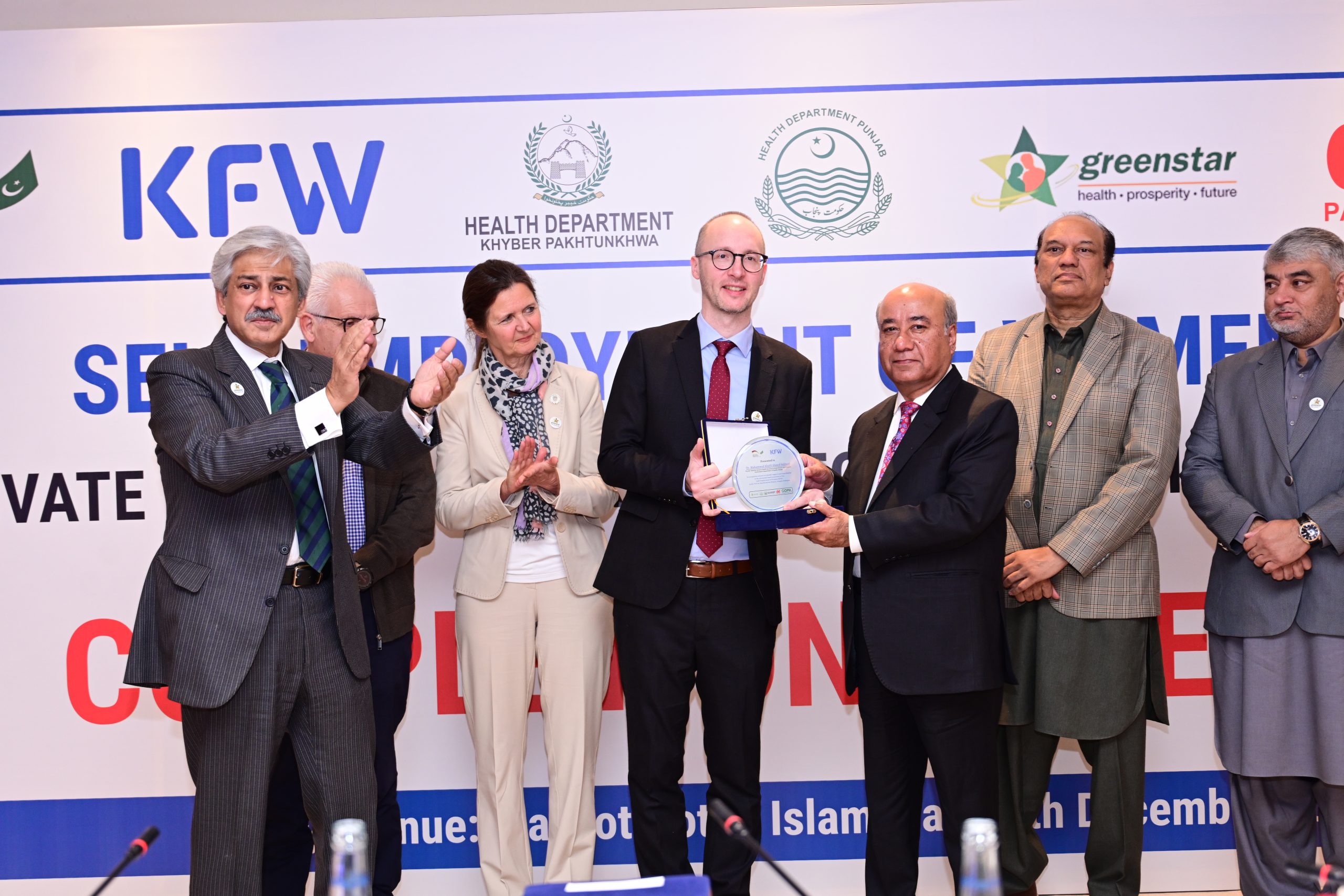
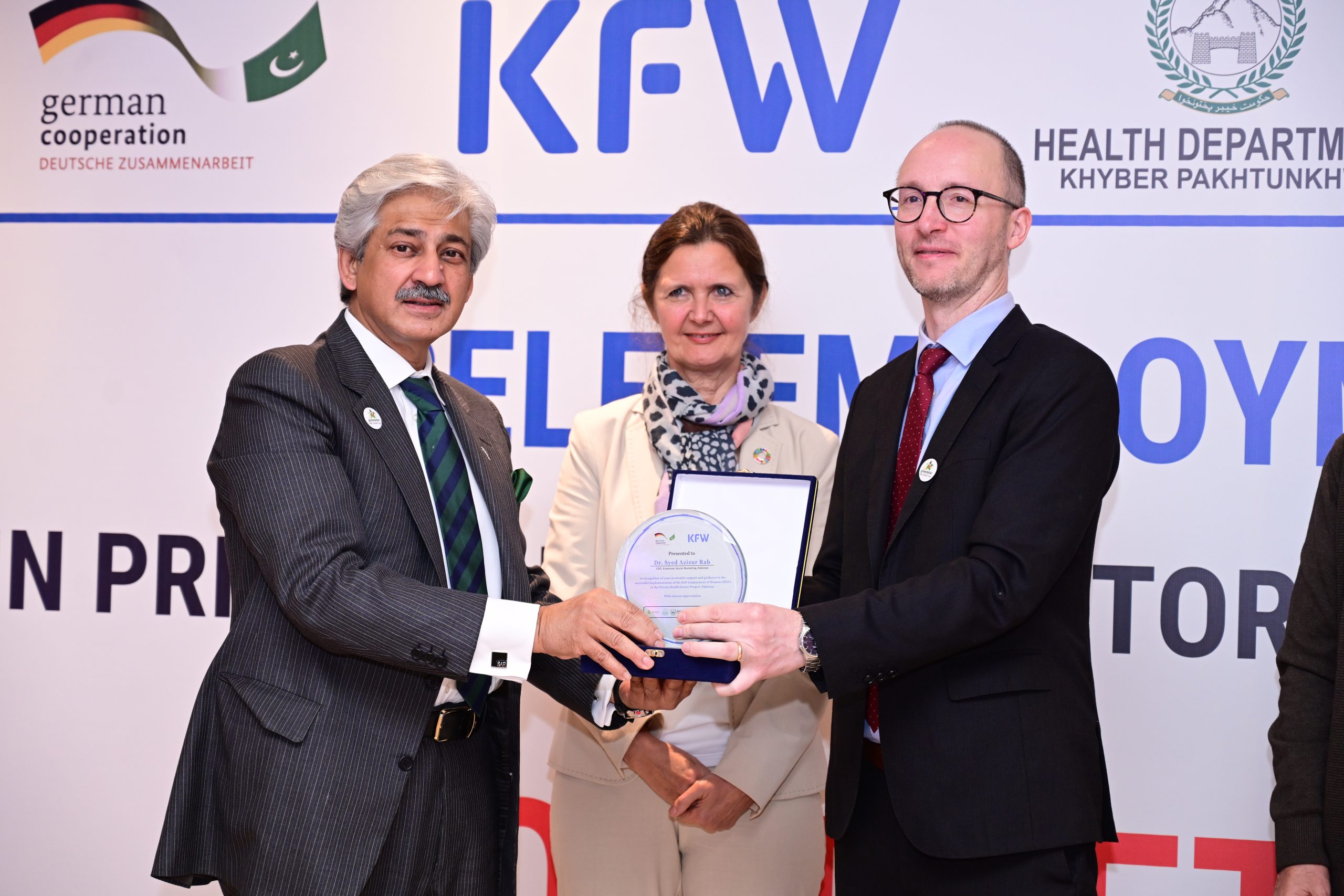
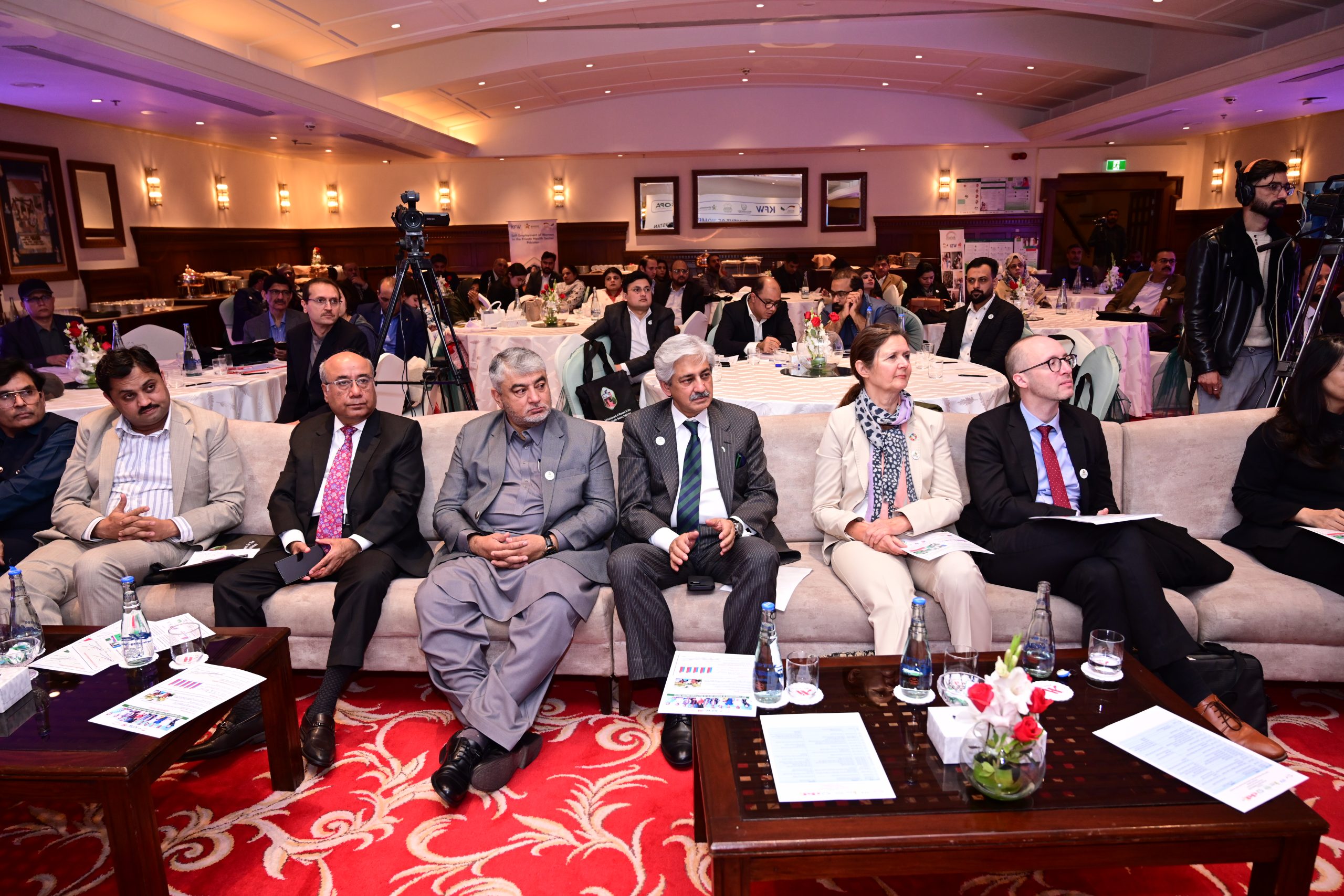
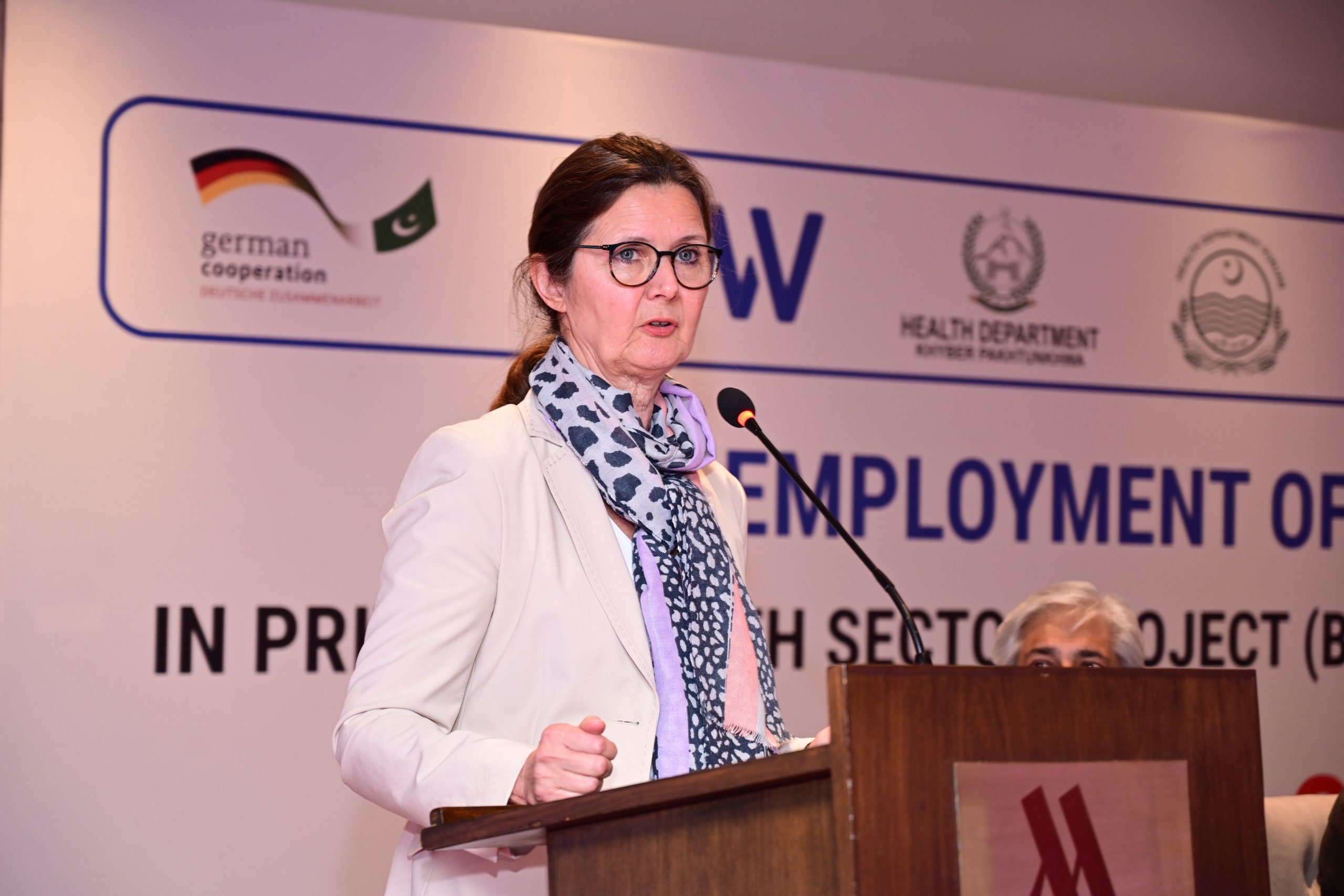
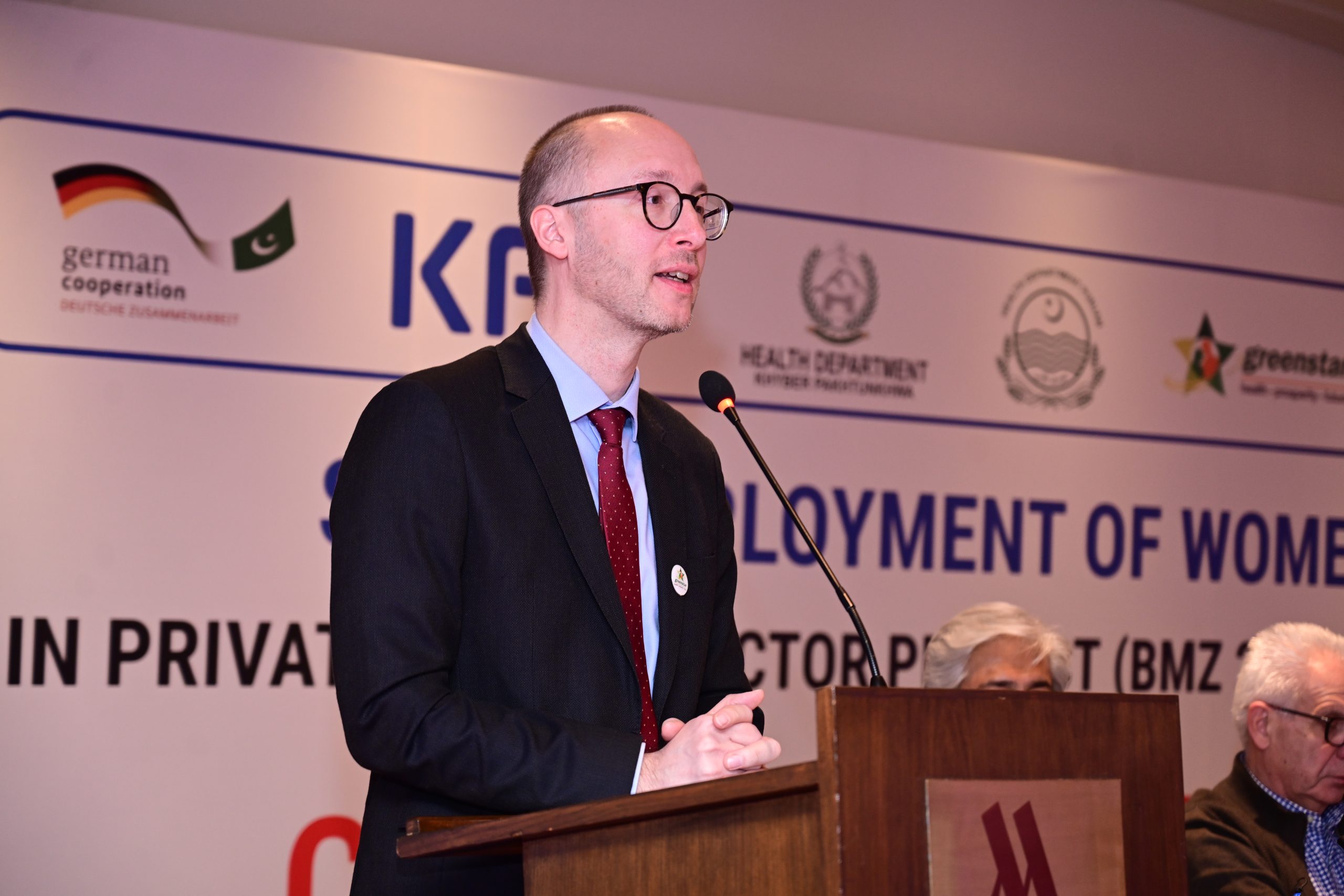
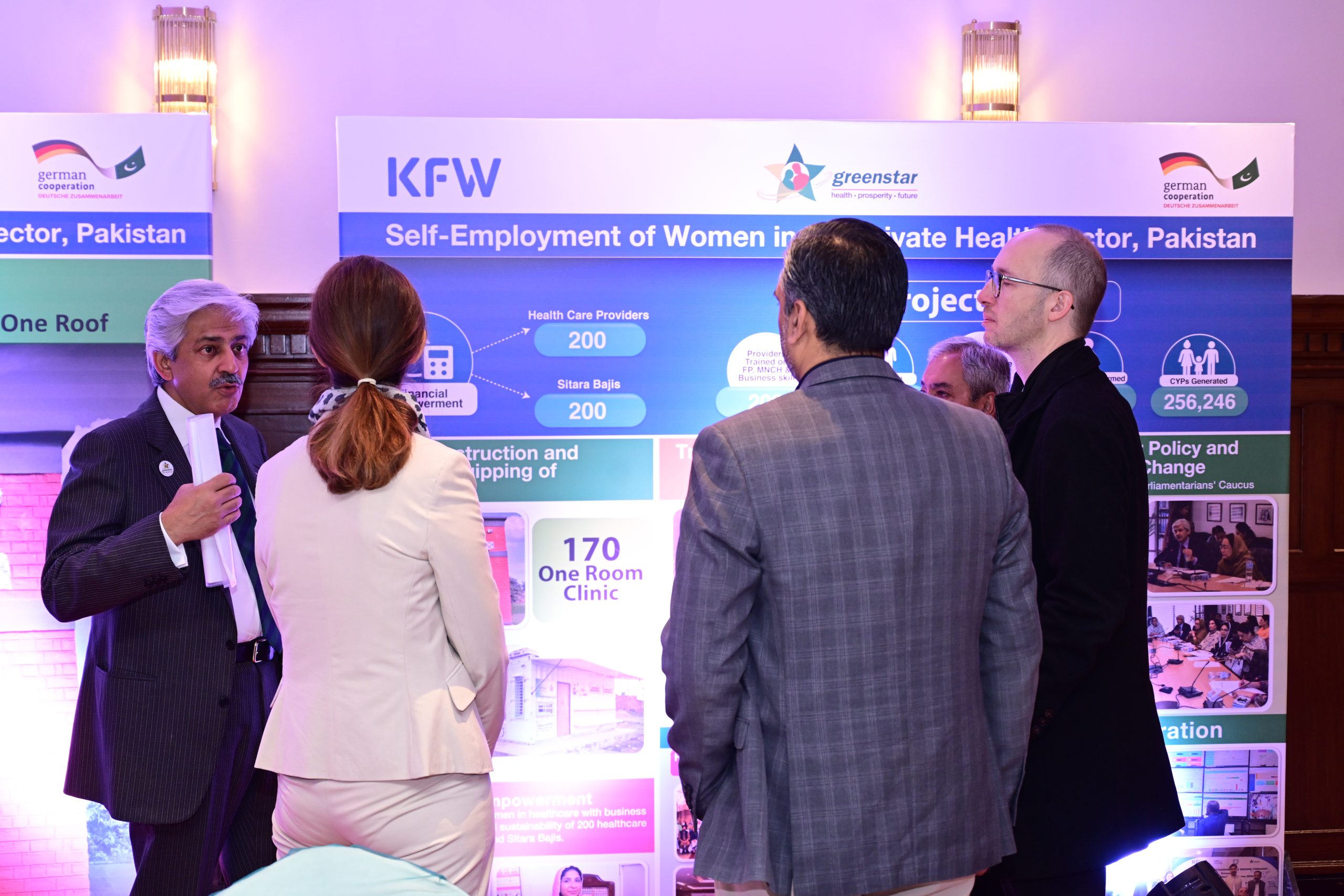
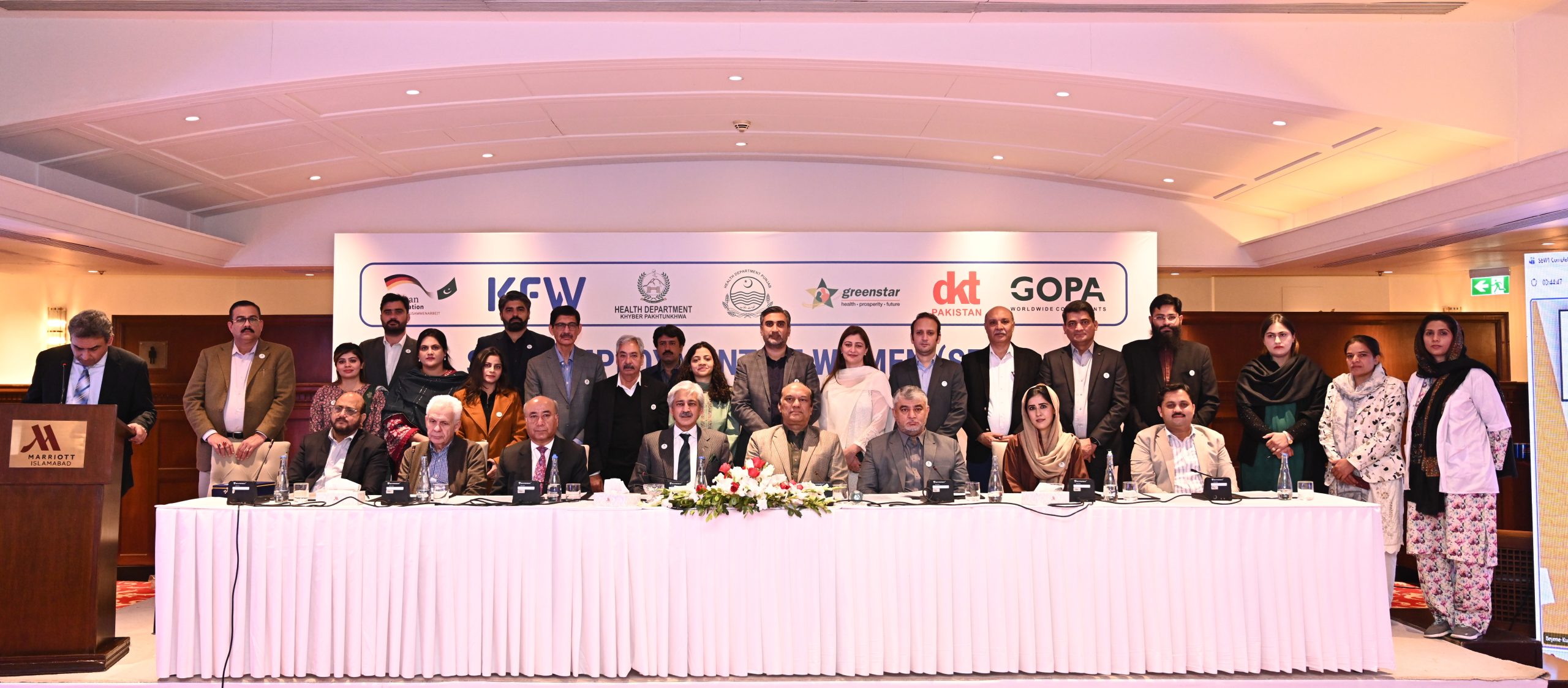
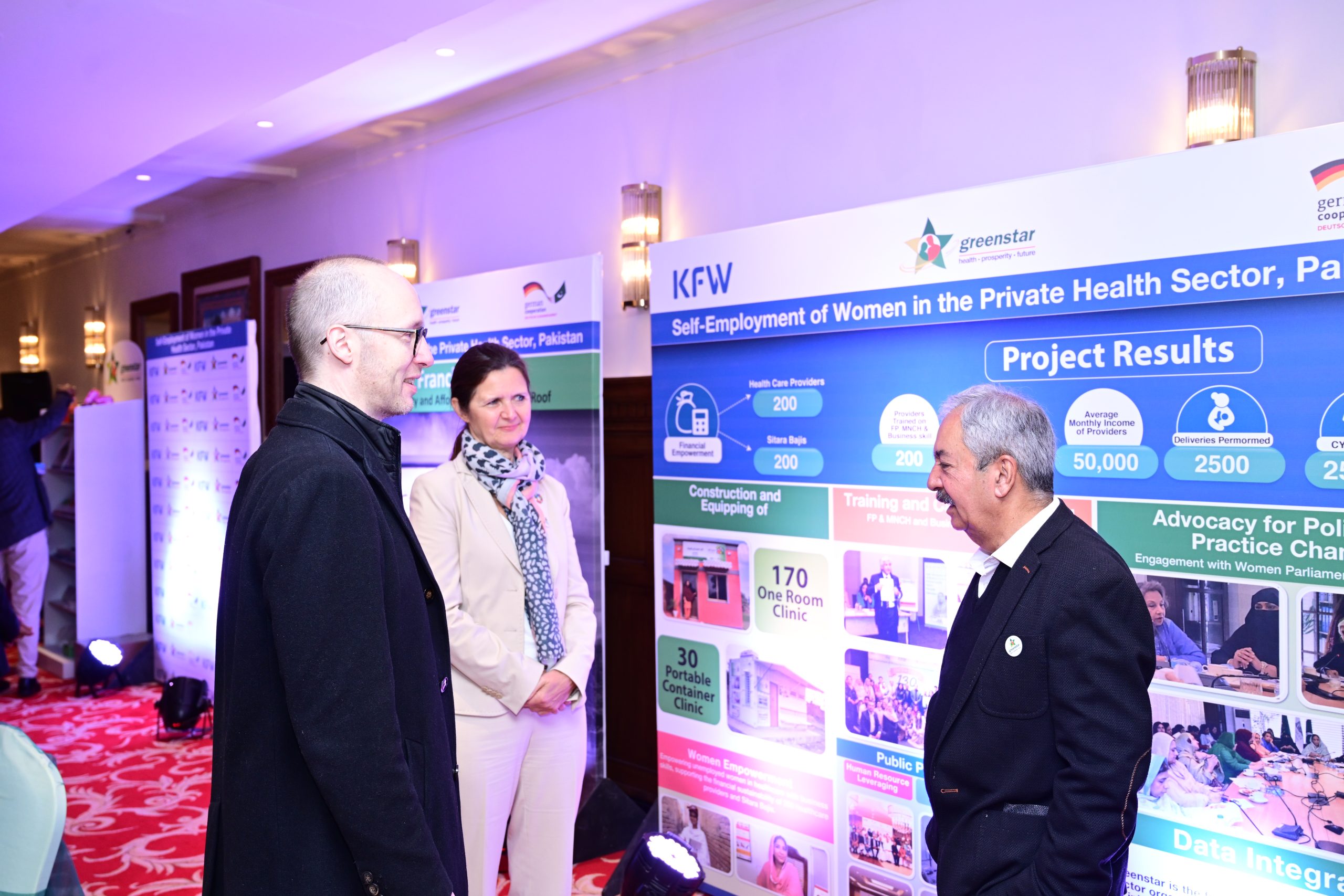
Completion Ceremony of the SEW Project Highlights Women’s Empowerment and Private Health Sector Strengthening
Date: 4th December 2025
Location:Islamabad
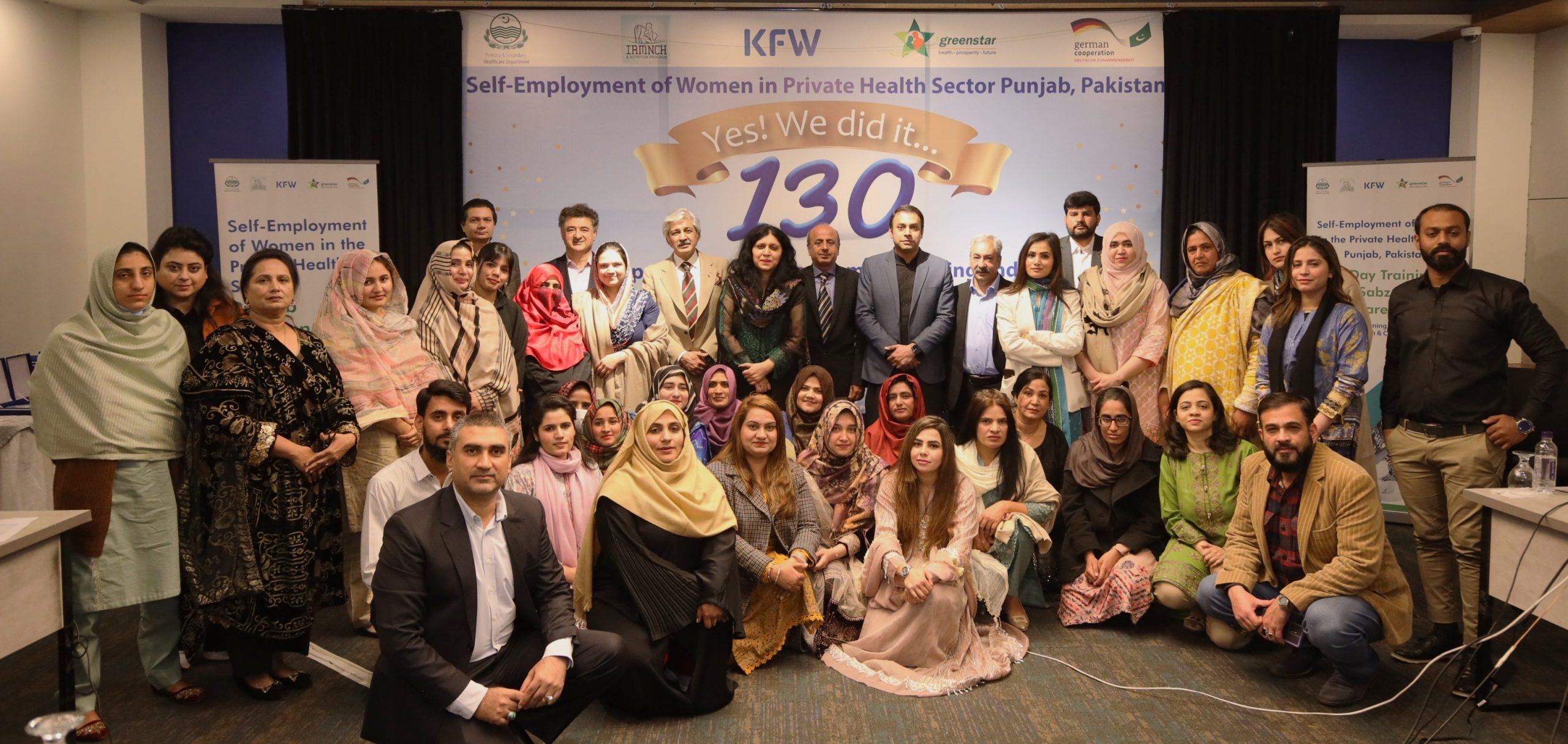
Purpose: On 4th December 2025, Greenstar Social Marketing celebrated the successful completion of the Self-Employment of Women in the Private Health Sector (SEW) Project at the Marriott Hotel, Islamabad. The ceremony was attended by Helena Paust (First Secretary, Embassy of Germany in Pakistan), Sebastian Jacobi (Country Director, KfW), Dr. Khalil Ahmed (former DG Health Services Punjab), Dr. Ikram Ullah (Project Director, Primary Healthcare Reforms Project, KP), Dr. Shehzad Ali Khan (Vice Chancellor, Health Services Academy), George Papachristou (Regional Director, DKT), Dr. Azizur Rab and the Greenstar team, as well as senior officials from the Health Departments of KP and Punjab. The event highlighted the project’s achievements in empowering women healthcare providers and strengthening private-sector health services. Healthcare providers shared inspiring stories of empowerment, while the German Government and KfW commended the results, emphasizing the potential for future scale-up and recognizing the initiative as a benchmark for effective public–private partnerships in Pakistan’s health sector.
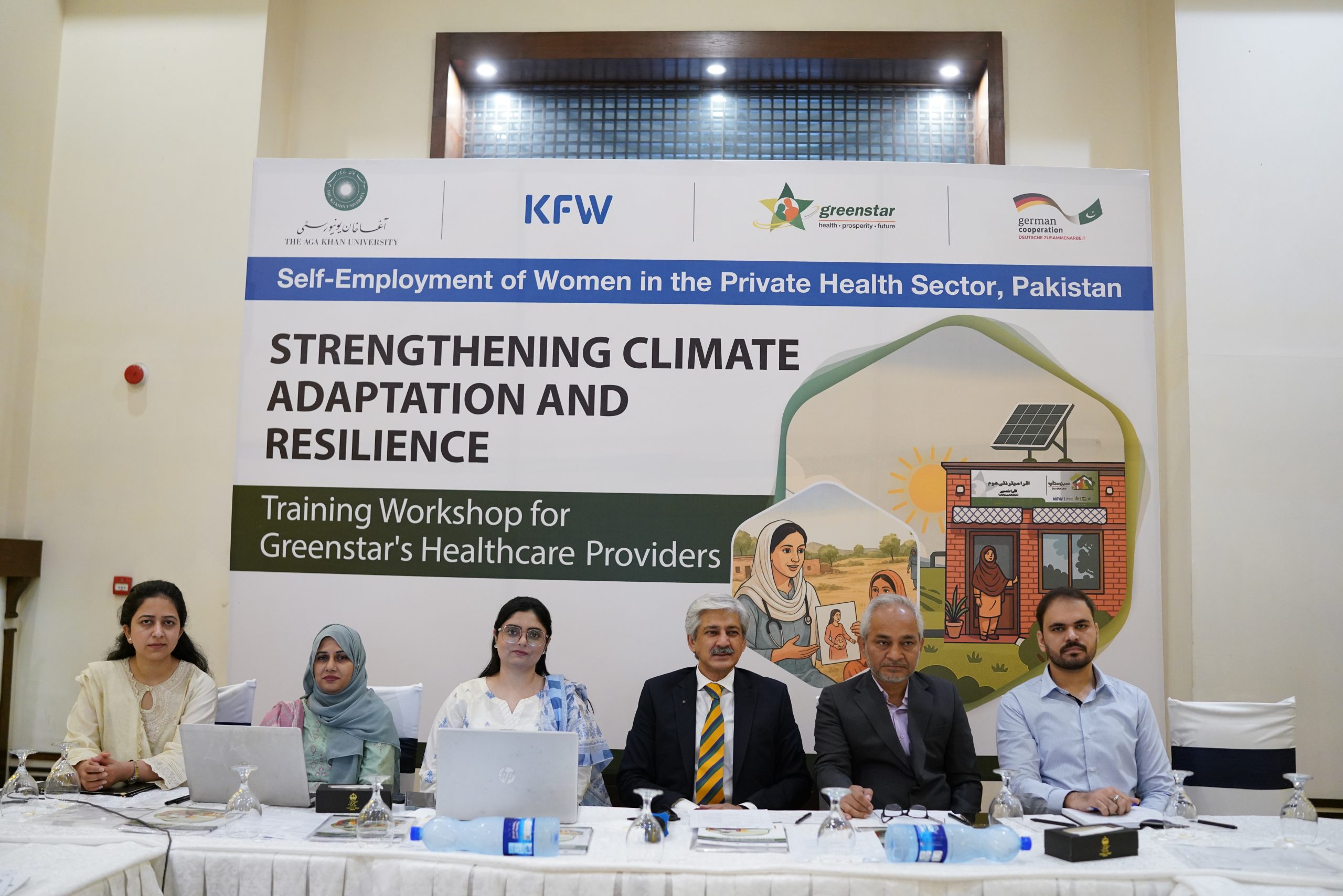
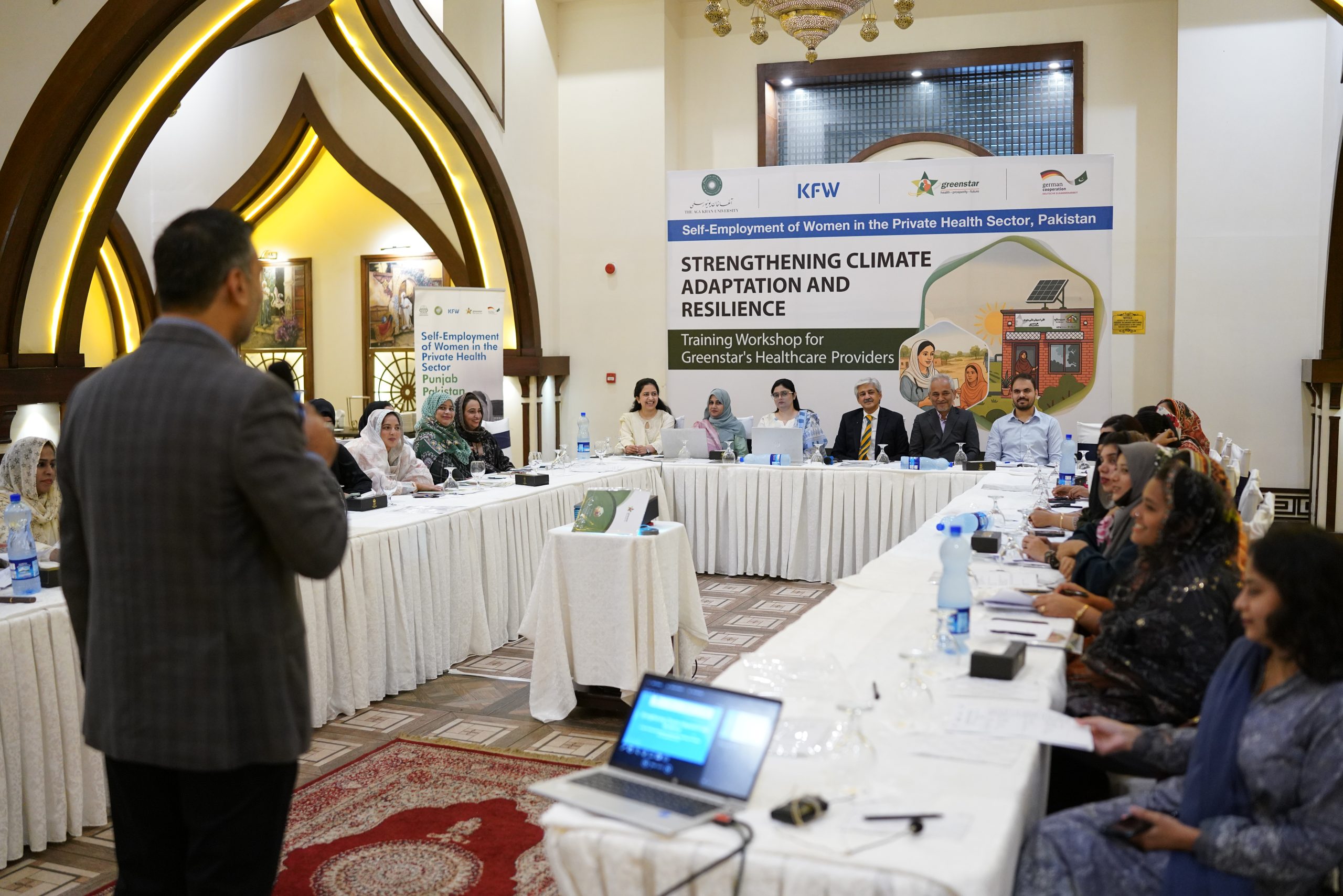
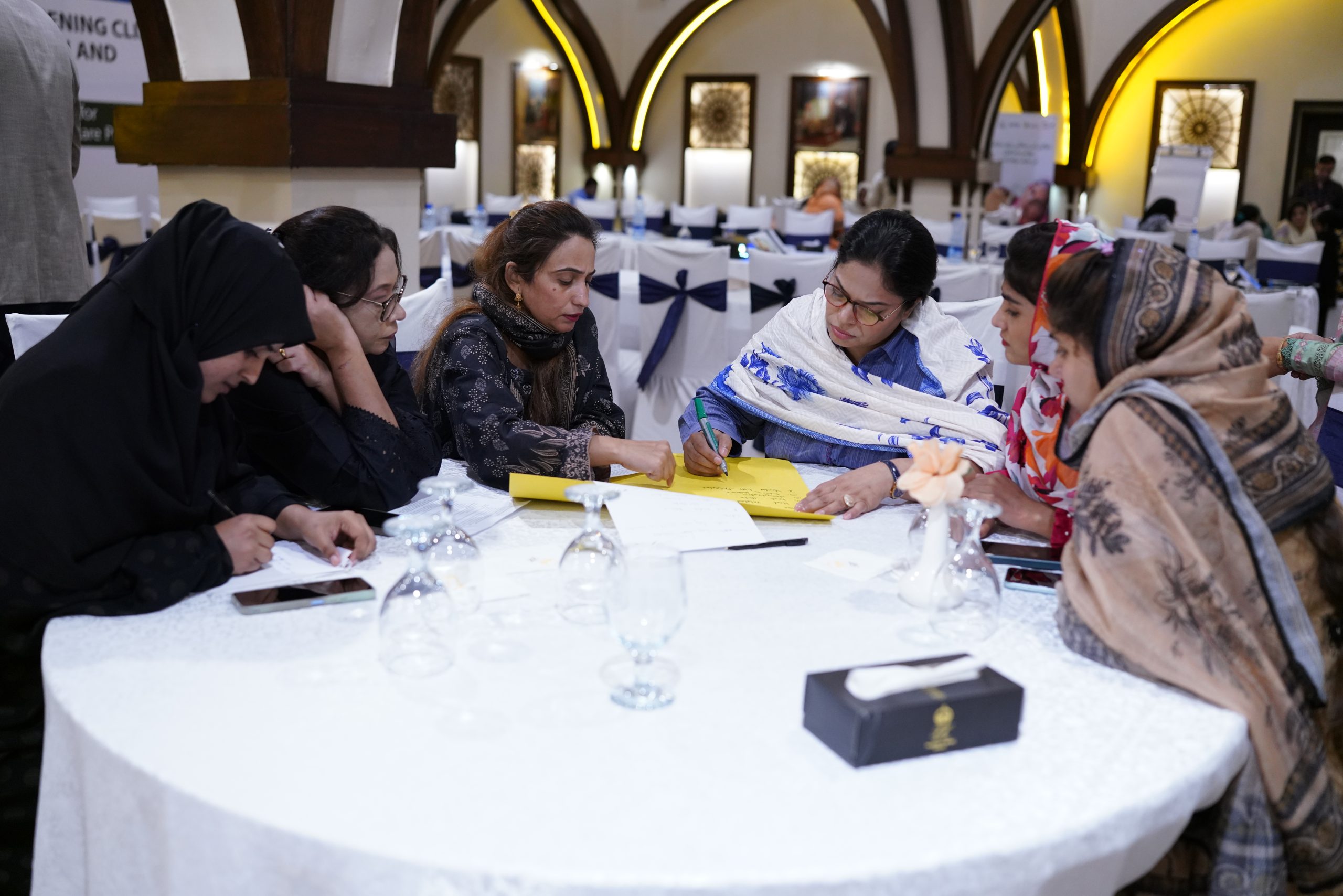
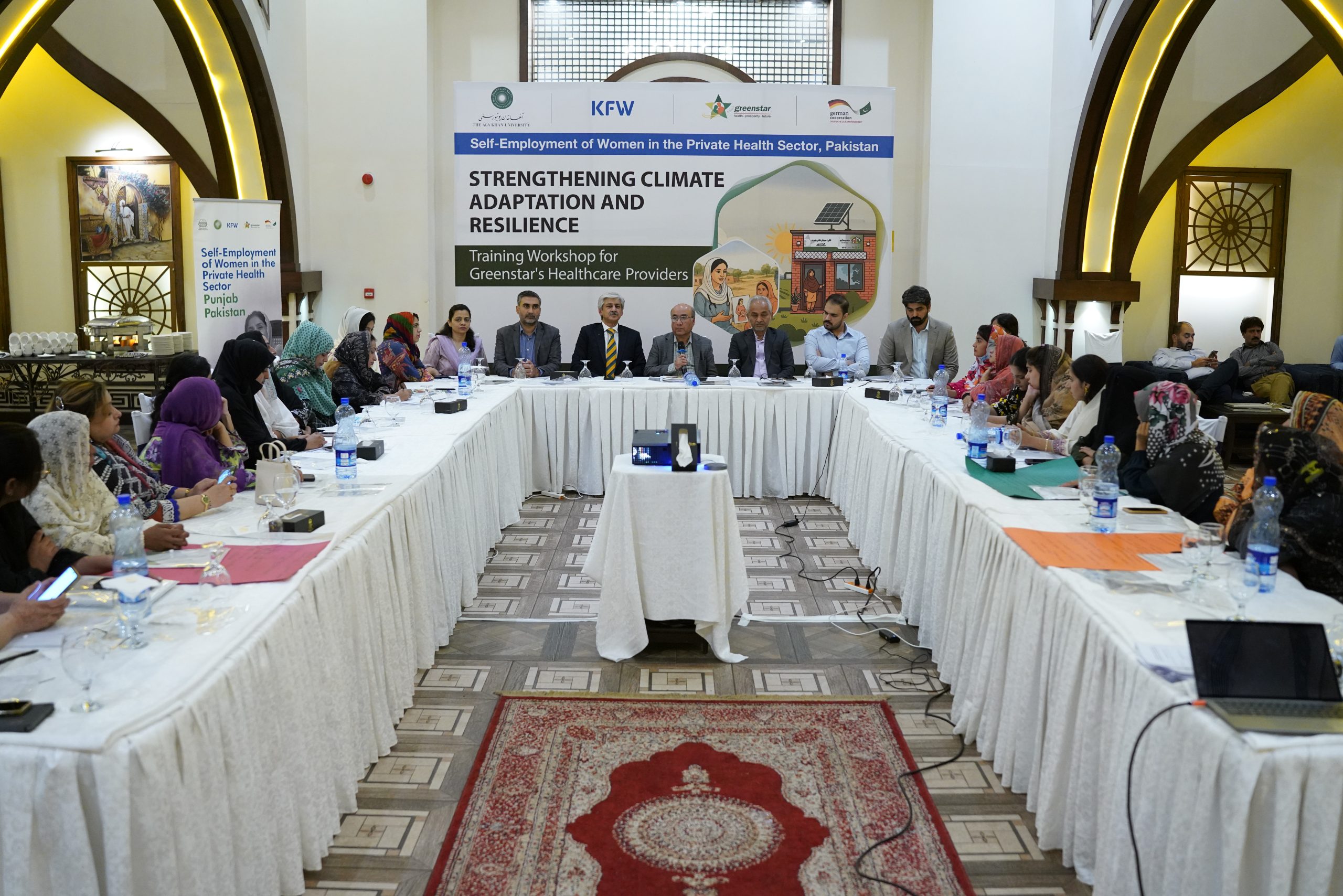
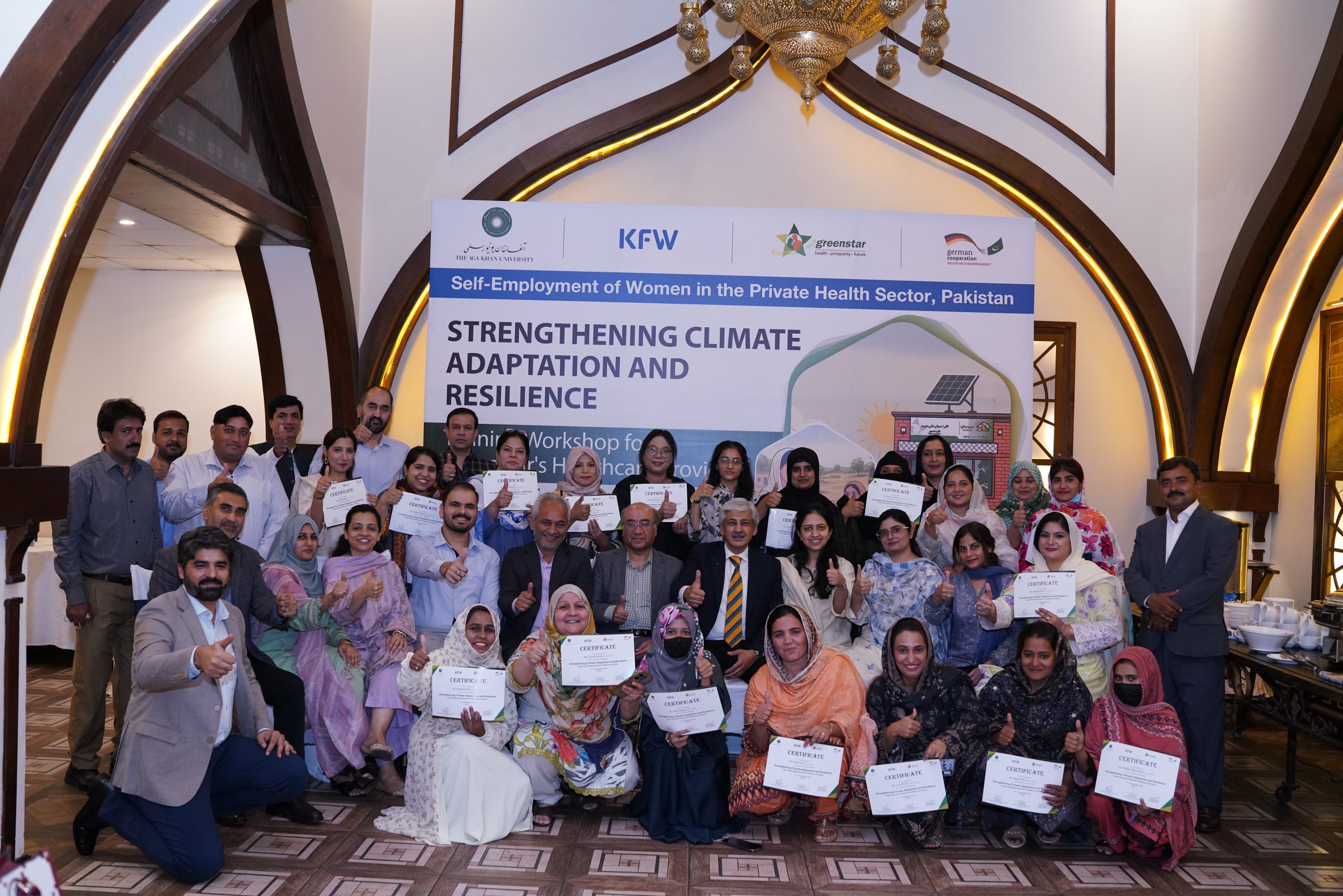
Capacity Building of Sabz Sitara Healthcare Providers on Climate-Resilient Healthcare
Date: 4th December 2025
Location: 14 districts of Punjab
Purpose: As a pioneering initiative to build a climate-resilient healthcare ecosystem, Sabz Sitara healthcare providers were trained on the impact of climate change on health. Conducted in partnership with Aga Khan University Hospital, for first time a dedicated training manual was developed to define the role of healthcare providers in addressing climate-related health risks. The session equipped providers with knowledge and tools to integrate climate considerations into routine healthcare delivery, strengthening the preparedness and responsiveness of primary healthcare services in the face of climate challenges.
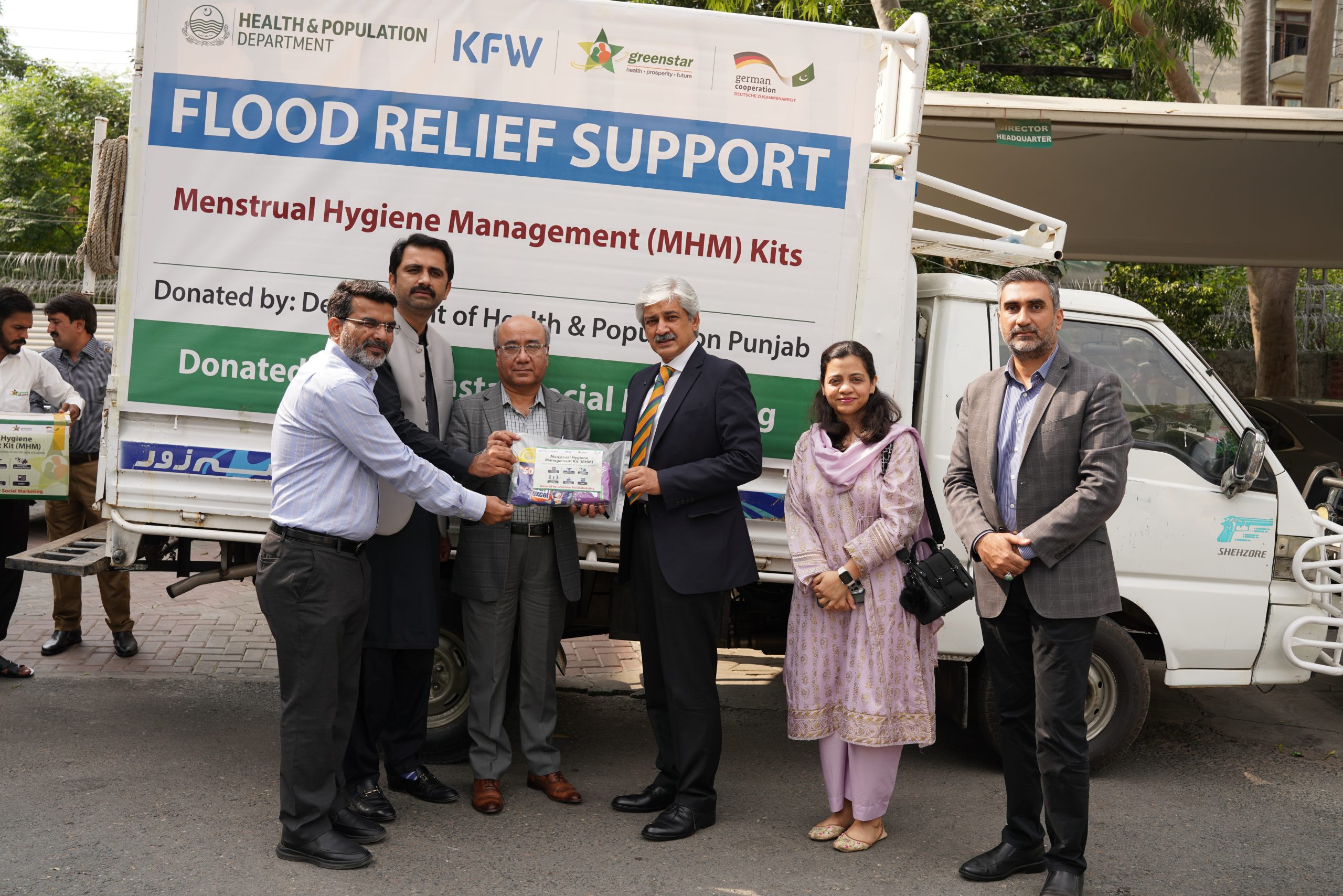
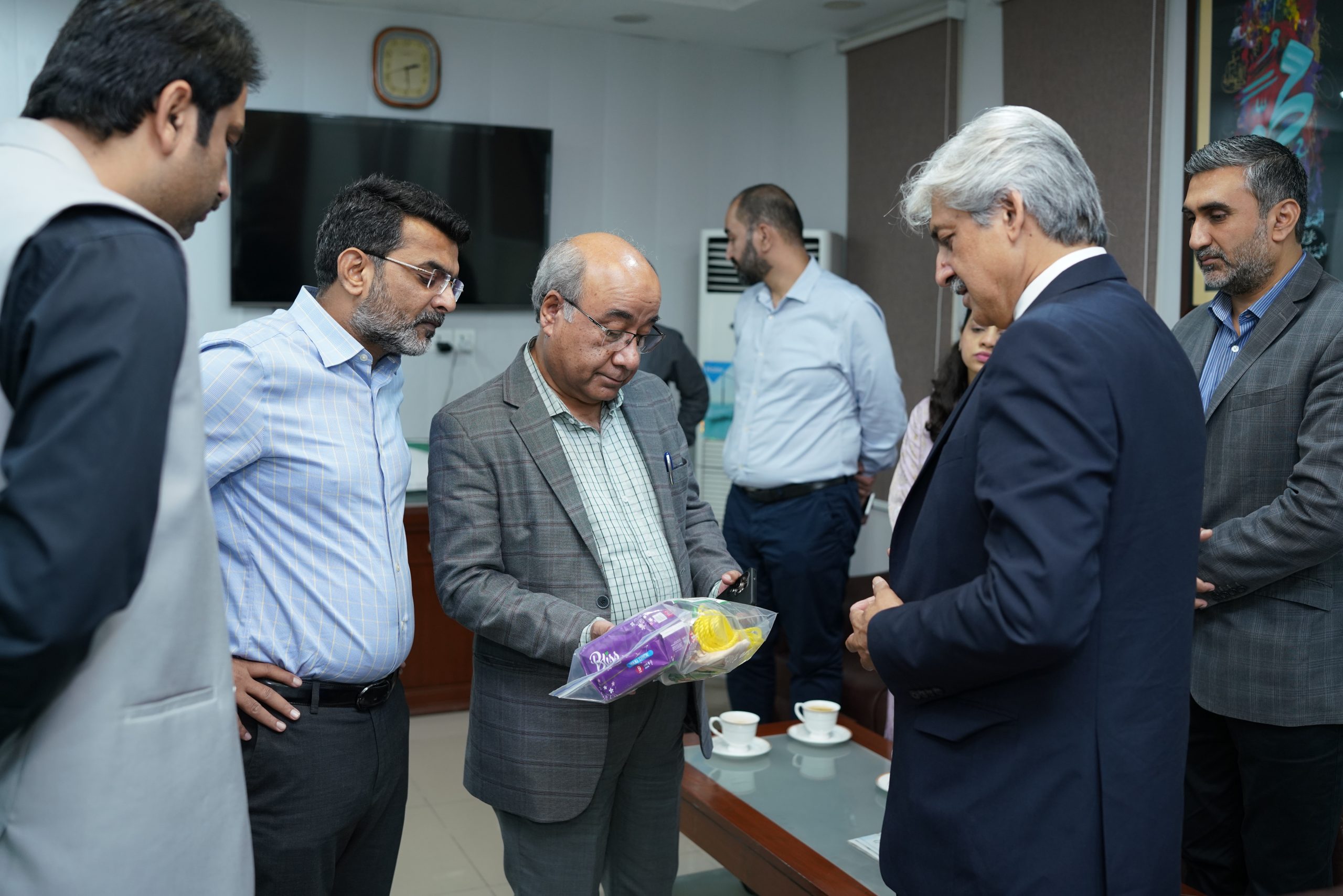
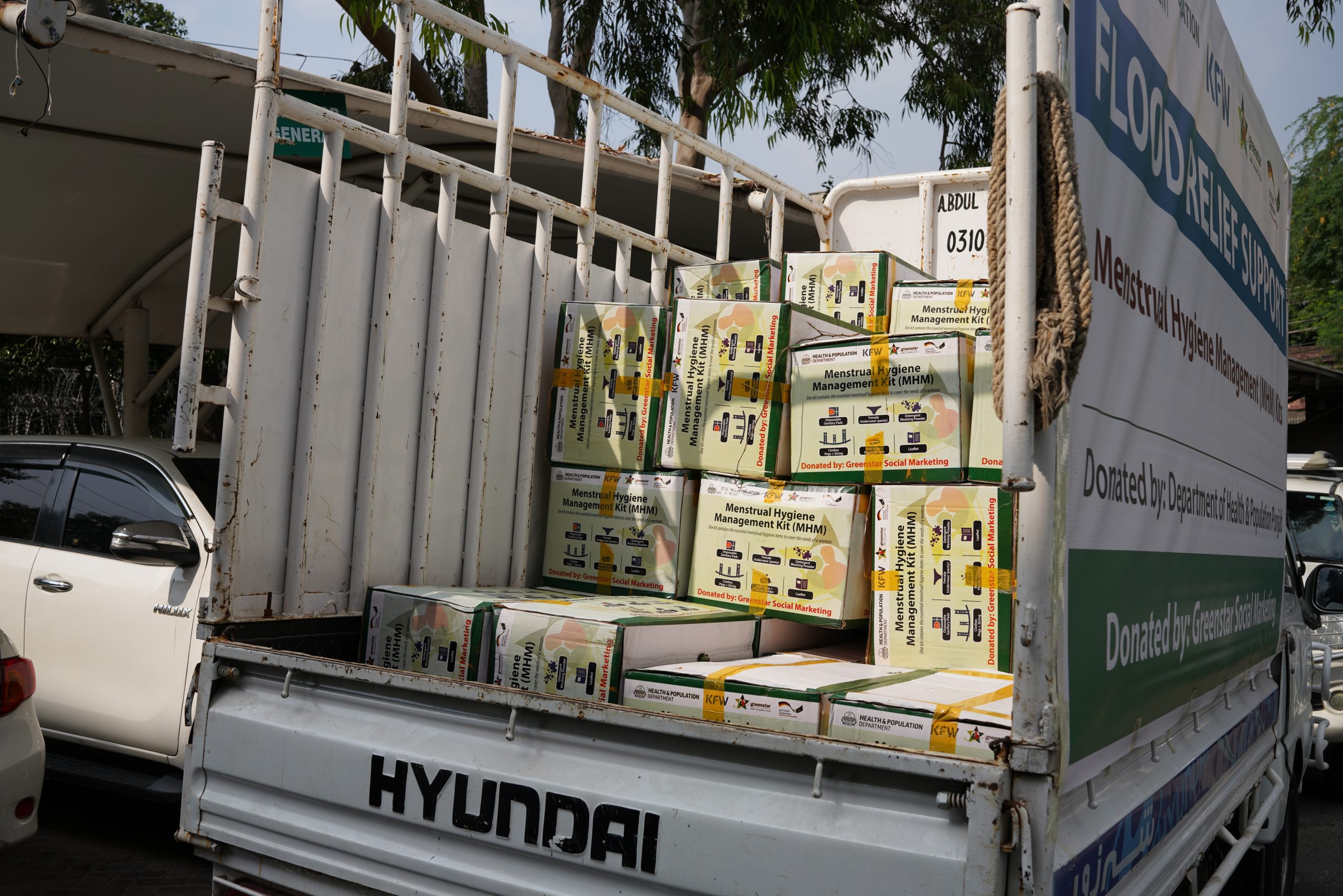
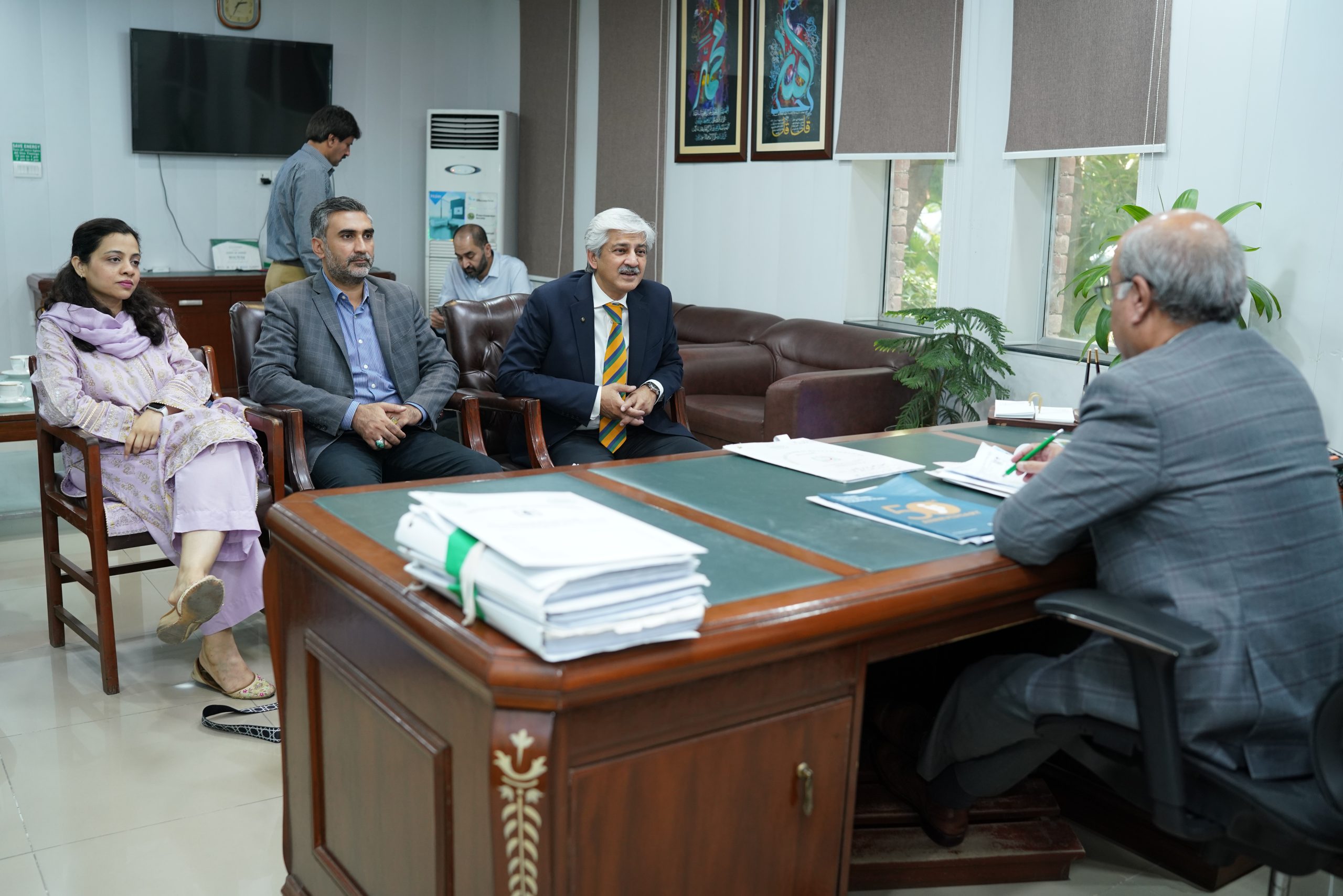
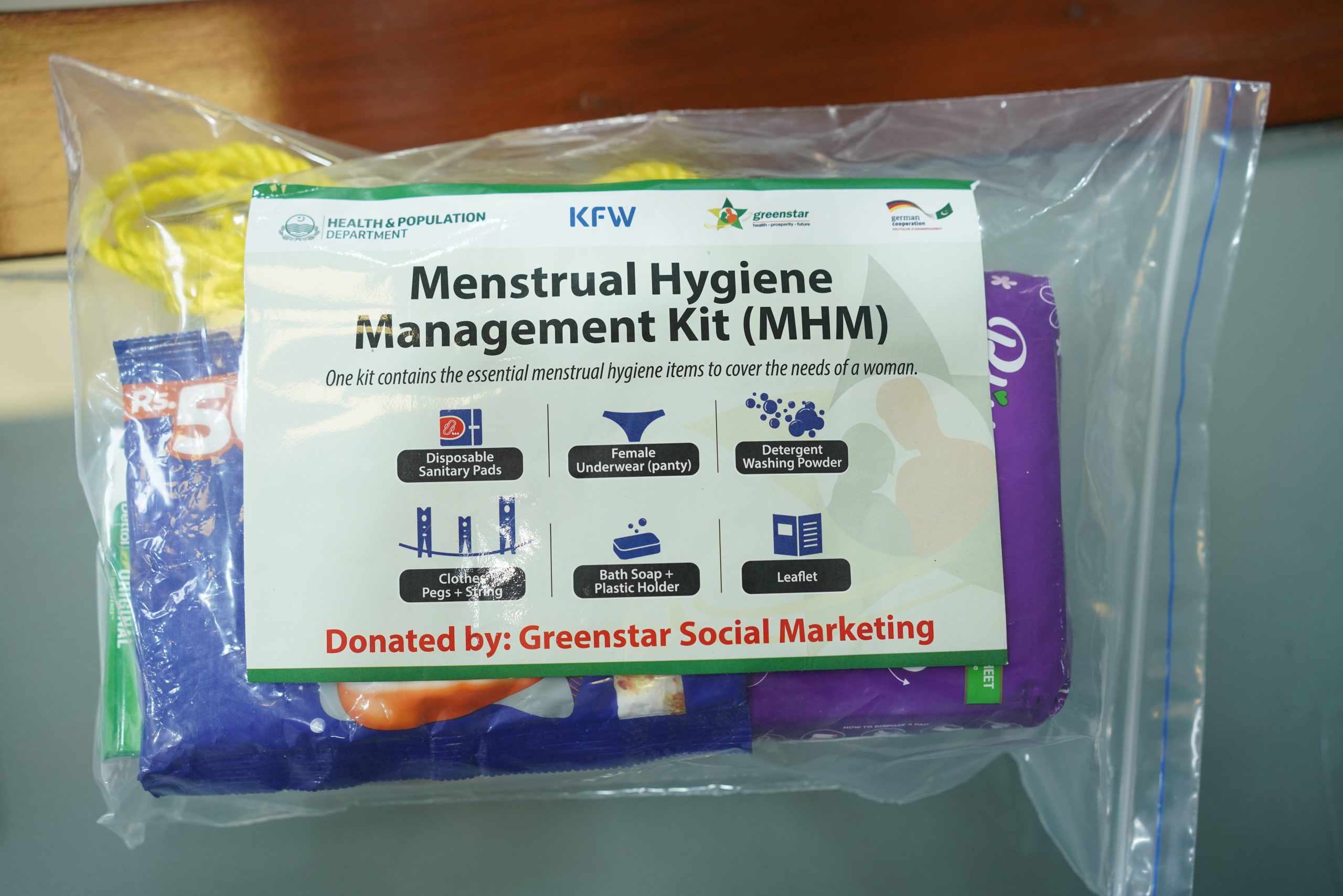
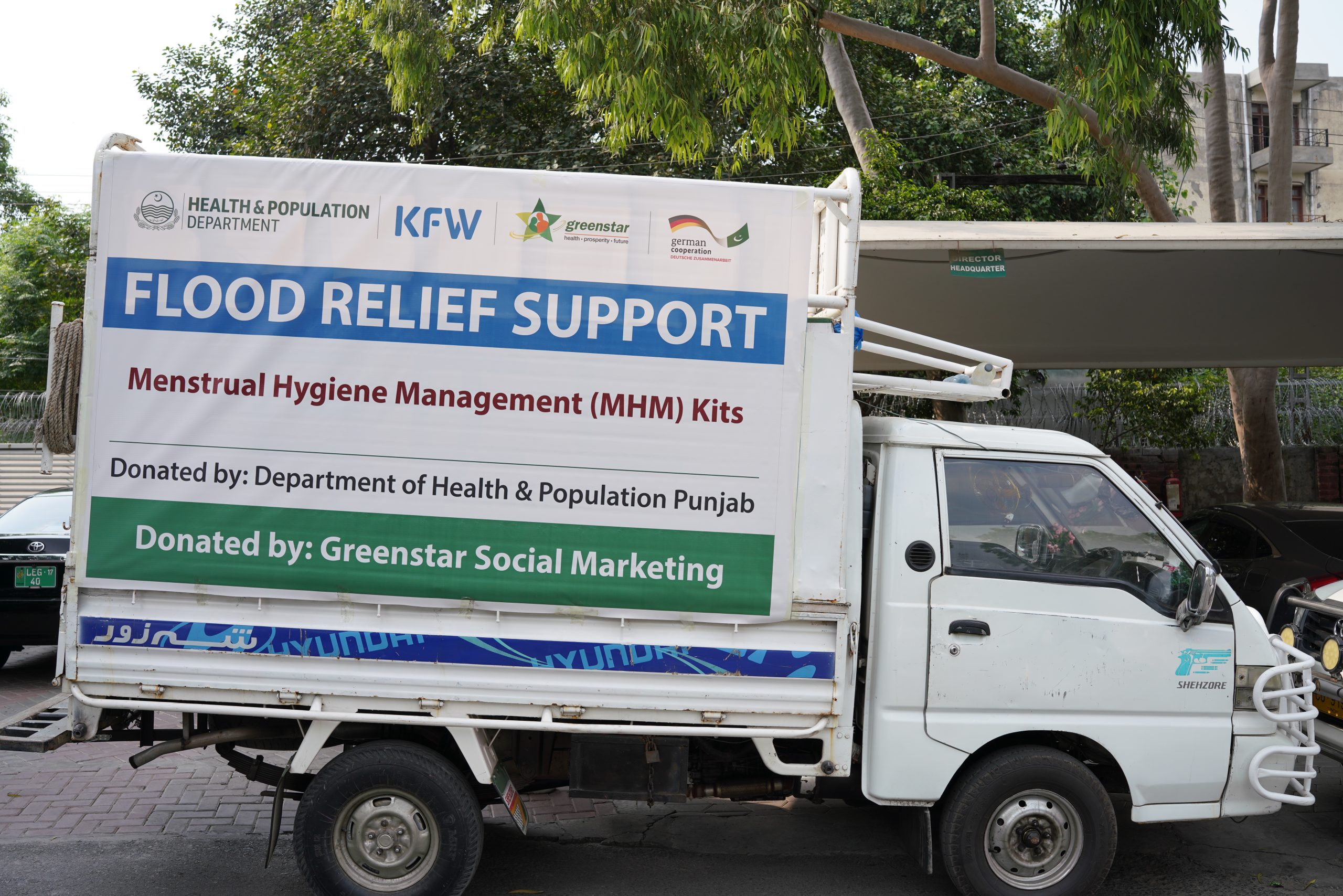
Greenstar donates 5,000 Menstrual Hygiene Management (MHM) Kits for Flood-Affected Women and Girls in Punjab
Date: 15 September 2025
Location:Lahore
Purpose: In response to a request from the Department of Health and Population, Government of Punjab, Greenstar Social Marketing donated 5,000 UNFPA-UNHCR recommended Menstrual Hygiene Management (MHM) kits for women and girls in flood-affected districts. The kits, handed over by Dr. Syed Azizur Rab, CEO Greenstar, to Dr. Khalil Ahmed, DG Health & Population Punjab, included essential hygiene items such as sanitary napkins and soap. This initiative provided immediate relief, reduced health risks related to inadequate menstrual hygiene, reinforced gender-sensitive disaster response, and strengthened the public-private partnership model with the Punjab government
PARTNERS & DONORS
Implementation partners
Technical partners
Donors/funders
CONTACT & OWNERSHIP
Program Lead: Dr Haroon Ibrahim
Designation: GM Program